More equal tax system needed


In the days after the founding of New China, the country's Gini index stood around 0.1 (a largely equal society). But in 2012 it stood at 0.474 - a worryingly high level of inequality. No wonder, a goal of the 12th Five-Year Plan (2011-2015) is to reduce income inequality among people - a key to social harmony.
China's reform and opening-up was based on letting some areas and groups "get rich first", but now the rest must be helped to catch up. Recent policies on directing and encouraging investment into the country's western region reflect this.
The revenue from indirect taxation on goods and services is very important for China but it does not help redistribute income. In fact, it does the opposite, because it typically represents a higher proportion of a low-income person's expenditure - a regressive structure, which benefits high-income earners who can afford to save more of their income. The authorities are already looking at measures to raise the direct tax on profits of State-owned enterprises and property taxes on the rich.
These are important symbols of intent, but if income inequality is to be reduced post-tax, there is no option for China but to reform its income-tax system into a more progressive structure which has an impact on a wider section of society - the middle class and particularly the rich. Such policies could be accompanied by a reduction in some expenditure taxes, including the rate of tax on luxury goods. This could help one of China's other major economic goals of raising domestic consumption.
The Chinese dream needs to be based on an inclusive society in which there is a sense of fairness. This does not mean exceptional efforts and enterprises should not receive extra rewards, but the government has to ensure that the well-off and rich section of society contributes more to welfare funds for the less well off, and that none gets rich through corruption and evasion.
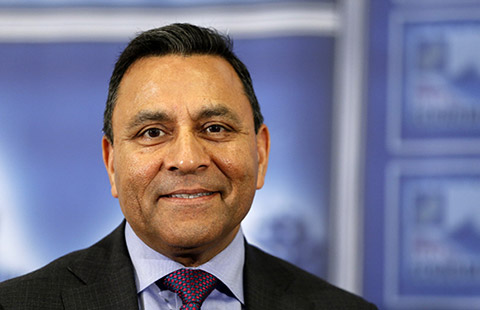
The author is an economist and Director of China Programs for CAPA International Education, a US-UK based organization that cooperates with Capital Normal University and Shanghai International Studies University.