


Nuclear plans still on course in UK
Updated: 2012-11-03 13:54


UK aims for lower carbon footprint with more clean energy generation
Nuclear power, once labeled as the cleanest and most efficient source of energy, appeared to be on its way out after the Fukushima disaster in Japan last year.
The axe certainly looked like falling when major nuclear powers like Germany (which accounts for 5 percent of the total nuclear energy produced in the world) and Japan announced scale-backs and complete withdrawals from the sector.
|
 |
|
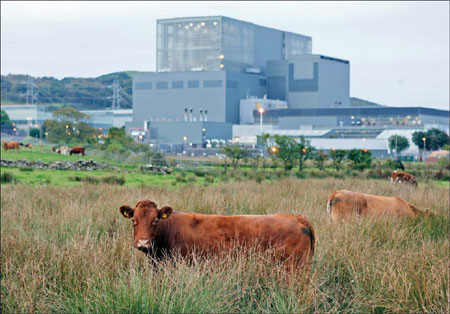
The British Energy Hunterston "B" nuclear power station near Largs in west Scotland. [David Moir / Agencies] |
But the dark clouds were somewhat dissipated this year after China decided to press ahead with its nuclear plant construction, and joined other nations, such as South Korea, to actively scout for overseas investment opportunities in the nuclear sector.
In Europe, it has, however, been a mixed bag for nuclear energy. Though France continues to be a major force in nuclear technology, it is the energy goal planned by the UK that has given the industry the much-needed impetus. The UK's energy goal is to have a mix of renewables with fossil fuels and nuclear power to ensure a secure, clean and affordable supply of energy.
"For the UK to meet its energy and climate change objectives, the government believes that there is an urgent need for a new electricity generation plan, including new nuclear power," said the National Policy Statement for Energy released in July 2011. Nuclear energy will play an increasingly important role as the UK diversifies its sources of electricity and reduces the carbon usage in its economy, the statement said.
Justifying its leaning toward nuclear power, the policy document says that nuclear power is economically more competitive than other forms of power generation and is also the least expensive form of low carbon electricity generation.
Currently, the British economy is largely reliant on fossil fuels, with 75 percent of the power coming from burning natural gas and coal. Most of the houses in the UK have gas central heating, while public transport is almost entirely dependent on oil.
Apart from being non eco-friendly, there are also inadequate supplies of the two fuels in the long run. It is estimated that fossil fuels will not be as affordable as today by 2050.
"We can expect fossil fuels to be scarcer, but still in demand, at prices that are far higher than now. The UK's own oil and gas resources will be depleted and, worldwide, the costs and risks of extracting oil in particular will increase," the statement said.
To some extent, the policy document also explains why it perceives nuclear power as the best bet for long-term energy solutions. While nuclear power stations will more than reduce the risk of supply interruptions and provide clean, stable energy, there are adequate global stocks of the raw material - uranium - to take care of energy generation concerns.
Nuclear energy production is not dependent on gas and coal in any way, so supply disruptions to these fuels will not affect overall power generation.
The real benefit of nuclear power is that it will help avoid large hikes in electricity and gas prices. For instance, when gas prices are high, "the relatively low generation costs of nuclear power means that it can place downward pressure on the long-term wholesale prices", the document says.
The UK government also hopes that by using nuclear power it can trim the country's exposure to higher fossil fuel prices and thereby carbon emissions. UK plans to cut greenhouse gas emissions by at least 80 percent by 2050 compared with 1990. It will be impossible to reach that goal with the country's current energy structure.
It is estimated that the carbon emission from a nuclear power station is around 7 g/kWh to 22 g/kWh, similar to that from wind power and much less than a fossil-fueled plant.
With the current reliance on fossil fuels, electricity supplies are not abundant in the UK. Ofgem, UK's industry regulator, predicts that its spare electricity capacity will fall from the current 14 percent to 4 percent by 2015. About one-fifth of the country's power stations are due to retire in the next decade, and very few new ones are being built.
The lifetime of a nuclear power station is 60 years and the majority of the UK's nuclear power stations were built in the 1960s. Therefore, the government hopes that new nuclear power stations can start generating power by 2018 at the earliest.









- BYD exports three electric cars to Thailand
- Grid gets first jolt of residential solar power
- US now largest buyer of China's exports
- China's outbound M&As on the rise
- Tobacco control may entail price, tax rises
- Quanzhou becomes pilot financial reform zone
- New automobiles shine at Geneva Motor Show
- World's longest high-speed rail 'on track'
- Jiugui Liquor involved in plasticizer scandal again
- Accident reignites school bus safety concerns
- China to revise labor law
- Trademark registration under scrutiny
- Dinner ban takes toll on liquor firms
- CIC tables bid for London's Chiswick Park
- Property buyers eye overseas market
- Call for law to protect personal information
- China to cut train ticket prices
- Christmas business
- Solar industry to get jolt from new policies
- KFC chicken under spotlight
Survey & Comments