 |
|
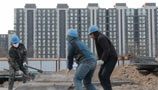
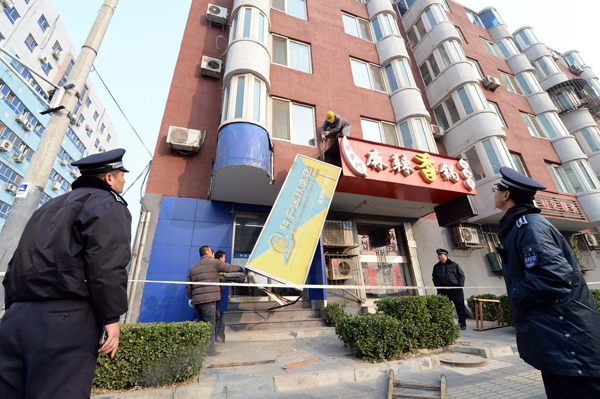
A small business being shut down in Beijing. OUYANG XIAOFEI/CHINA DAILY |
In Beijing, changes take place fast, either for better or for worse. So overnight, a bustling section for businesses of all kinds has been shut down and turned into a messy construction site.
What I am talking about is a street hundreds of meters to the north of where I work. A dozen years ago, owners of the apartments on the ground floor of frontage residential buildings, mostly native Beijingers, started to rent out their spare rooms to businesses, which are often run by those from outside the city.
Within years, restaurants, property brokerages and stores that sell cigarettes and wine, as well as clothes and stationery began to line the street, providing lots of convenience to people in the neighborhood, myself included.
As I passed by each day on my way to work, and saw how one store would close down, only to be followed by another opening under a new name or for a different business, I could not but admire those entrepreneurs for their hard work, resilience and ability to adapt.
Actually, I often wonder how they could have made any profits given the high cost of living and doing business in Beijing. How many bowls of noodles or blue jeans would they have to sell to cover rents that could easily go above 10,000 yuan ($1,510) each month, in addition to other costs such as that for labor?
Such businesses are often short-lived because many of them have not registered with local industry and commerce agencies, or do not possess certificates for firefighting, safety or hygiene as required by authorities. Actually that is the official reason why they are being wiped out on such a large scale across the capital city, as is declared in notices put up on the sites where street-side businesses are meeting their demise.
Beijing officials have reportedly promised to restore all residential buildings to their original shape within this year, in a quest to build a "world class" and most livable city.
With many of its streets clean of business activities and the vigor that is associated with them, it is hard to imagine the city will meet the goal of having a lively essence.
It actually reflects poor governance, if not malicious intentions, in terms of how the problem is solved, given that those street-side stores have emerged and thrived under the gaze of those in charge for so many years.
Whatever pretext officials use to justify the ongoing overhaul of the streets, it cannot cover up the real intentions behind the move: to curb Beijing's population growth, which was already at 21.7 million at the end of 2015.
The small businesses provide many jobs, mostly to people from outside the city. By shutting them down, officials are striving to meet the goal of keeping Beijing's population below 23 million by 2020, as drafted in the city's development plan. Some experts have reportedly called the effort "sweeping away 'low-end population' through policies", referring to those manual laborers with neither capital nor education.
Actually the move has been going on for years, "to ease the population, traffic and environmental pressure" on Beijing. So rooms for rent in the basements of apartment buildings have been sealed; schools for migrant children closed; and wholesale markets of clothes and daily necessities in downtown areas relocated to neighboring Hebei province.
A US friend, who visited Beijing many years ago for the first time, told me one of the most memorable sights he caught on Beijing streets was peddlers selling jianbing-a kind of pancake-on tricycles. He called it "a best example of entrepreneurship".
Yet nowadays such entrepreneurship is finding it increasingly difficult to take root in Beijing, where the astronomically high property prices have driven half its population to its verges outside the Fifth Ring Road.
In a society ruled by law, where ideas of harmony and people-oriented policies have been trumpeted, there should be a better way to strike a balance between keeping the city clean and functional while giving those on the lowest rung of social ladder a chance to move upward.
For many, this is a Chinese dream.


Copyright 1995 - . All rights reserved. The content (including but not limited to text, photo, multimedia information, etc) published in this site belongs to China Daily Information Co (CDIC). Without written authorization from CDIC, such content shall not be republished or used in any form. Note: Browsers with 1024*768 or higher resolution are suggested for this site.
License for publishing multimedia online 0108263 Registration Number: 130349