BIZCHINA> Center

|
BIZCHINA> Center
|
|
Hospitality industry goes along with trends
By Ding Qingfen (China Daily)
Updated: 2008-05-19 11:35 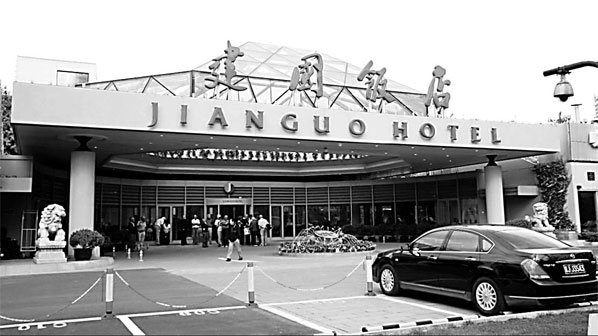 It's no exaggeration to say the evolution of China's hospitality industry during the past 30 years is a prime example of how the nation's economy has also progressed. As the history record shows, dating back to the Shang Dynasty (1,600 BC-1,046 BC), there were accommodations for travelers in China, though the facilities markedly changed over the next 3,000 years. After 1949, when the People's Republic of China was founded, the government turned a few buildings into guesthouses to house the then few foreign visitors and delegates. But most looked shabby from the outside, and were sparsely equipped. An exception was the State-owned Beijing Friendship Hotel founded in 1954 and used primarily to house foreign notables, journalists and businesspeople. About three decades later, the concept of a "star hotel" - already common in Europe and the United States - arrived in China shortly after 1978, when the country's opening-up policy began. The then administration in charge of China's tourism industry decided to build eight Chinese-foreign joint venture hotels in the mainland's three cities - Beijing, Shanghai and Guangzhou - to meet the needs of the growing amount of overseas businesspeople and more discerning tourists. It signaled the beginning of China's modern hospitality industry. But exactly which luxury hotel was first approved by the Chinese government has long been debated in the hospitality circle. Was it the Guangzhou White Swan or Beijing Jian'guo Hotel?
The 843-room White Swan was co-invested by Guangdong government and the Hong Kong entrepreneur, media baron (South China Morning Post) and philanthropist, Henry Fok Ying-tung, with an initial investment of $49 million. In July 1979, the two sides signed a preliminary agreement and the building opened in February 1983. What motivated Fok to make such a bold decision was not the hope of quick profits, but his belief in the progress of China's reforms. He personally got involved in everything from site selection to the hotel's design, construction and management style. When the hotel opened, Fok insisted the hotel must be open to all which encouraged slews of local residents and visitors to come around to come to simply hang out in the lobby, where they often snapped pictures of the 10-meter-long waterfall. Amazingly, the hotel made a profit during its very first year of operation, and now is still one of the most popular five-star hotels in Guangzhou. But more people cite Beijing's Jian'guo as the first post-reform posh hotel property, a fact also confirmed by Shao Qiwei, director of China National Tourism Administration, who, after searching the old files, confirmed it in early 2008 during a small gathering. The 468-room Jian'guo hotel was a joint venture by the Beijing government and a Chinese- American entrepreneur named Slam Chen who had been working in the American hospitality sector, with the former holding 51 percent shares. Located in the central business district (CBD ), the hotel opened earlier than White Swan, in April 1982. (For more biz stories, please visit Industries)
|
主站蜘蛛池模板: 河津市| 华坪县| 安宁市| 顺义区| 镇平县| 阿瓦提县| 会宁县| 丰县| 酒泉市| 博白县| 邳州市| 策勒县| 阿鲁科尔沁旗| 潜江市| 历史| 松桃| 江源县| 绍兴市| 抚松县| 拉孜县| 临洮县| 富源县| 汨罗市| 咸阳市| 蒙自县| 德兴市| 汕尾市| 永新县| 富平县| 玉山县| 卢氏县| 綦江县| 东乌| 宁河县| 客服| 盐津县| 尼木县| 溆浦县| 滕州市| 青州市| 朝阳市| 基隆市| 郓城县| 微博| 锦州市| 龙山县| 凉山| 高平市| 浦北县| 兴文县| 宽城| 兴业县| 美姑县| 扬州市| 都安| 阳山县| 杨浦区| 理塘县| 开鲁县| 大荔县| 延边| 奉节县| 西乡县| 文化| 宾川县| 东城区| 兴义市| 都兰县| 綦江县| 五指山市| 泰宁县| 隆德县| 克拉玛依市| 房产| 启东市| 曲靖市| 尉犁县| 疏附县| 财经| 平安县| 济宁市| 赤水市|