BIZCHINA> Center

|
BIZCHINA> Center
|
|
Related
Credit crunch hits smaller businesses
By Mao Lijun (China Daily)
Updated: 2008-06-02 10:40 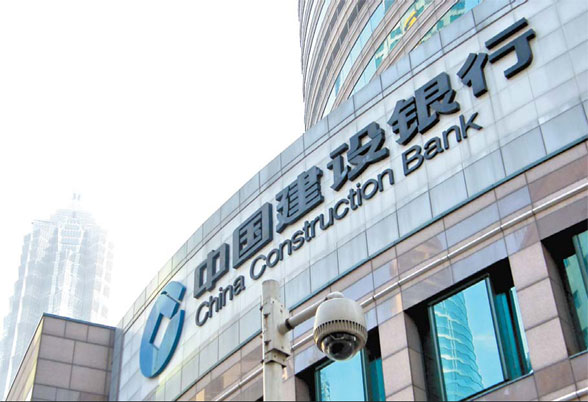 China Construction Bank has developed 10,841 small enterprises as new SME clients in 2007. If given a choice, most commercial banks would likely choose to lend money to Dongfang Electric Corporation over Tuo Pai Yeast Liquor Co. Although both Sichuan enterprises were hit by the May 12 earthquake and were in bad need of capital, the latter would probably simply have to wait. The reasoning is simple. Dongfang Electric Corporation is a large State-owned company specializing in power equipment manufacturing, while Tuo Pai is a private company and much smaller. Tuo Pai is also running a liquor brewing business in a lucrative sector that provides a 30 percent profit margin. The company is identified as one of Sichuan's six "golden flowers". But because of its lack of liquidity, Tuo Pai is likely to be bought out by one of three bigger companies, according to a report from 21st Century Business Herald. Despite its "golden flower" status, Tuo Pai has found it difficult to obtain financial help from banks that would help it develop. It's not alone. Other growing small and mid-sized enterprises (SMEs) have also found it difficult to finance further development. A survey by the Guangdong provincial government showed that SMEs only received 2 billion yuan (about $286 million) in loans, accounting for only 2 percent of the loans given to Guangdong companies in 2007. Many SMEs languish under the financial pressure of the rising costs of materials and labor. Obstacles No matter whether it's for technology upgrading, high added value retooling or business diversification, SMEs need a large amount of capital and strong financial supporting, says Zhang Yansheng, Director of the Institute for Foreign Economics with the National Development and Reform Commission. Generally, the range of SME financing tools falls into two categories: direct financing and indirect financing. Direct financing includes venture capital and public offerings. Indirect financing includes bank loans and financial institution loans, with bank loans as the major source, Zhang says. However, in China, direct financing is still in the early stage of development and would-be investors balk due to the SME's lack of risk controls and credibility. Domestic venture capitalists need more incentives to invest in SMEs, analysts say, adding that the government also needs to build up a capital market system to accelerate their development. And a system to ensure venture capitalists can instantly cash in on their returns should be established, analysts say. They have criticized the country's main stock exchange board, the Shanghai Stock Exchange, as a primary tool for financing the growth of State-owned companies. And although the country has developed the SME board in Shenzhen, it's not big enough to provide enough financing for SMEs, they say. As the direct financing system needs to be further developed, bank loans became the main source for SME financing, Zhang says. In fact most SMEs prefer to get bank loans, but they are rarely obtainable. The banks' high bad loans percentage, which gave them huge pressure to control risks, has prevented them from lending to many of the SMEs. And as the SMEs, which are treated as having little creditworthiness, are often unable to provide valuable fixed-asset guarantees for bank loans, the situation has become worse, analysts say. As such, commercial banks give priority to the likes of state-owned corporations, such as Dongfang Electric, and public companies. "Curbing and tightening the loans from commercial banks is a main means of the government to control the credit," Shou Lan, a researcher from Oriental Securities said. "Under the tightened monetary policy, the domestic banks, especially the State-owned commercial banks, will first cut the amount of loans given to SMEs that feature high costs and low returns," he says. According to industry analysts, loans to smaller enterprises cost banks much more. Statistics showed small enterprises ask for loans five times more often than large corporations, but their average loan demand is only 0.5 per cent of big enterprises. Loan management for SMEs costs six times more than big companies. Even if the domestic lenders are willing to take the risk and lend to SMEs, they have other concerns as SMEs often produce poor financial reports. Progresses The China Banking Regulatory Commission, the country's banking watchdog, began to urge commercial banks to improve loan services to SMEs beginning in 2005 as SMEs became more important for the development of China's economy. According to statistics, among the country's private companies, 99 percent of SMEs offered 75 percent of the new jobs and created 50 percent of the country's wealth. But the enterprises only have a little more than 10 percent share of the capital. Financing is a bottleneck for the small enterprises with promising futures. And as the country's large corporations are turning to international capital market for financing, and foreign competitors are courting domestic SMEs to diversify their business in the country, domestic lenders have begun to change their attitude to the smaller businesses. The domestic lenders have taken the SME business sector as a new battlefield to gain profits or they will risk losing potentially lucrative business to their foreign competitors. The Industrial and Commercial Bank of China (ICBC), provided loans to 44,963 SMEs through the end of 2007. Chosen as one of the two experimental bank units by CBRC to serve SMEs, the bank said it would give half of its loans to SMEs over the next three years. China Construction Bank has developed 10,841 small enterprises as new SME clients in 2007. Bank of Communications said the profits gained from SME loans already has become one of the main sources driving up its net interest margin - a measurement of the difference between the interests of the income generated by banks - in 2007. Foreign banks are also stepping up efforts for SMEs. HSBC China has provided special services for SMEs for improving their financial efficiency and helping them explore overseas markets and Standard Chartered Bank (China) has kicked off a plan to develop SMEs in the second-tier mainland cities. What's more, the soon-to-be-established Second Board at an as yet-to-be disclosed location will become another engine for SMEs financing in the future, analyst say. However, no matter how conditions improve for them, SMEs must also strengthen their risk controls and corporate governance to increase their credibility among investors and banks, analysts say. (For more biz stories, please visit Industries)
|
主站蜘蛛池模板: 苍山县| 荔波县| 凭祥市| 临澧县| 北京市| 府谷县| 尼玛县| 桐梓县| 濮阳市| 海淀区| 凤山市| 博爱县| 新建县| 铜川市| 巴彦淖尔市| 正定县| 曲沃县| 马尔康县| 太保市| 滦平县| 奇台县| 榆林市| 西峡县| 嵊泗县| 内黄县| 麻栗坡县| 满洲里市| 平罗县| 合江县| 洛扎县| 鸡泽县| 夏邑县| 临泉县| 怀仁县| 鄯善县| 东宁县| 岳池县| 确山县| 青岛市| 虞城县| 乡城县| 湖北省| 林西县| 洛浦县| 库车县| 泗洪县| 缙云县| 老河口市| 娱乐| 长治市| 宜兰市| 新龙县| 茂名市| 徐汇区| 正镶白旗| 潜江市| 方正县| 金乡县| 湟中县| 安达市| 克拉玛依市| 兴业县| 洪泽县| 威海市| 新宁县| 福泉市| 宁陕县| 桂平市| 仁寿县| 连平县| 黄平县| 大庆市| 区。| 绥滨县| 南乐县| 连南| 平山县| 贡觉县| 桃园县| 大宁县| 惠州市| 寿光市|
