BIZCHINA> Global Markets

|
BIZCHINA> Global Markets
|
|
Related
Warning on high global oil prices
By Xin Zhiming (China Daily)
Updated: 2008-06-24 10:38
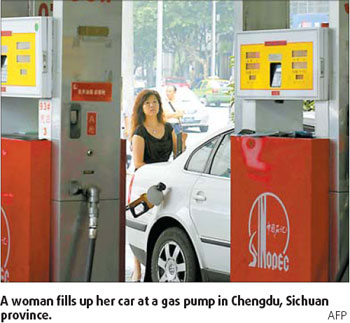
World Bank economists yesterday warned global oil prices would not drop significantly in the coming months but said China has been successful in controlling inflation. "You don't expect oil prices to come down sharply," said Hans Timmer, lead economist and manager of the Global Trends team of the World Bank. In the Bank's Global Development Finance report released this month, it forecast oil prices could average $108 a barrel this year before dropping to $105.5 and $98.5 a barrel next year and in 2010. Oil prices hovered around $136 a barrel yesterday. Timmer said the forecast could be inaccurate because of the volatility of oil prices. "It's incredibly difficult to forecast oil prices in the current circumstances and there are upside risks for the forecast." The current problem is "disappointment" in the supply side, Timmer said. "The reasons for the rising oil prices are fundamentals, not speculation." Producers outside the OPEC have failed to increase output while OPEC, which produces about 40 percent of the world's output, even reduced production last year, Timmer said. The solution to this problem lies in changes in the overall policy as well as improvement in energy efficiency, the economist said, pointing out that China's move last week to raise oil product prices is in the "right" direction. Many analysts, however, warned that it may exacerbate the country's inflation, which was 7.7 percent year-on-year in May, down from 8.5 percent in April. Although May inflation was down, it is still significantly higher than the official target of 4.8 percent for this year. Economists generally forecast the whole-year figure could be above 7 percent. Moreover, the May producer price index, which measures factory-gate inflation and largely reflects the consumer inflation trend, rose 8.2 percent, the highest in more than three years. Timmer said Chinese policymakers must prevent oil-induced inflation from spreading to other sectors and triggering new bouts of price rises - the so-called "second-round effect". Louis Kuijs, senior economist of the World Bank Beijing office, said China's tight monetary policy has been successful in containing the spillover of commodity-driven price rises into a more generalized inflation. (For more biz stories, please visit Industries)
|
主站蜘蛛池模板: 尚义县| 乌兰察布市| 肥乡县| 林口县| 五家渠市| 夏津县| 彝良县| 雅安市| 临泉县| 怀仁县| 东方市| 益阳市| 天气| 仪陇县| 新沂市| 竹山县| 科尔| 皮山县| 临安市| 巴林左旗| 河西区| 叶城县| 昌都县| 博罗县| 山东省| 邹城市| 察哈| 浦北县| 和田县| 鸡东县| 宿松县| 渝北区| 文安县| 临安市| 乐昌市| 汕头市| 本溪市| 井陉县| 焦作市| 新巴尔虎右旗| 广水市| 疏勒县| 招远市| 邵阳县| 怀来县| 明光市| 万州区| 尖扎县| 稻城县| 汝阳县| 准格尔旗| 中宁县| 综艺| 九江市| 高邮市| 名山县| 桐乡市| 洪雅县| 凤阳县| 安康市| 安溪县| 利辛县| 青岛市| 常熟市| 纳雍县| 郴州市| 娄底市| 湖南省| 宁津县| 聂荣县| 醴陵市| 云林县| 福海县| 汝城县| 安平县| 京山县| 乌拉特中旗| 定西市| 曲水县| 土默特右旗| 贵港市| 秭归县|