Memo to bosses: it's time for change


Chinese firms need to switch overall approach and to recruit 'change agent' with overseas experience
The most recent economic indicators continue to spread gloom and uncertainty regarding China's development.
Specifically, the country's consumer price index often used as the best indicator of inflation, fell to 2.1 percent for May, down unexpectedly from 2.4 percent in April. Further gloom has resulted with exports posting their lowest growth rate in May for almost a year, coupled with a fall in imports.
This is all taking place against the backdrop of China's slowest economic growth for 12 years last year.
So, what more can be done to arrest this relative and persistent decline? And why has domestic consumption not been rising and contributing more as export markets remain sluggish.
Structural reform has become a frequently used phrase in recent years as China's spectacular economic emergence slows. However, it is not often followed by any detailed discussion and analysis of exactly what "structural reforms" are necessary, let alone how they could be achieved.
One of the most urgent and fundamental reforms is an almost 180-degree change in the overall approach to business pursued by the majority of Chinese companies.
This "stack 'em high, sell 'em cheap" approach, where quality and even safety is inevitably compromised in the chase for a quick buck, lies at the heart of China's economic deceleration.
Modernization is another frequently used term as far as China is concerned. Unfortunately, modernization appears only to be used to describe changes in Chinese consumerism and not Chinese business culture. Yet, this discussion and debate is precisely what is needed in order to reignite China's slowing growth rate.
So what does "modernization" of China's business culture mean and how could this change take place?
Modernization and modern values are commonly put into operation with a combination of the following: "Open to change", "new", "up to date" and "inclusive". It is the adoption of these values with the resultant change in the business model that is so desperately lacking within Chinese organizations.
But how could such a shift in approach be realized and at what pace of change?
If modernization of China's consumer culture is used as a benchmark, then surely a similar radical pace of change could be possible. Chinese consumers, especially the younger generation, have demonstrated a capacity for change and the adoption of very modern consumer values, such as impulse buying and the desire for the latest and fashion products.
Gradual change inside Chinese organizations is also an option that could lead to even greater economic gloom with little likelihood of any real, lasting change.
To start such radical change it is imperative first of all to highlight the benefits of such a modern approach. In the long term, this more modern approach will result in a symbiotic relationship between investment and quality, and premium-branded goods and services, where investment involves the consistent commitment of substantial sums into human resource development and technology.
Low-cost production can continue but will not be relied upon totally.
So, how to set out on this process of change. Key to success is the selection and long-term appointment of a "change agent".
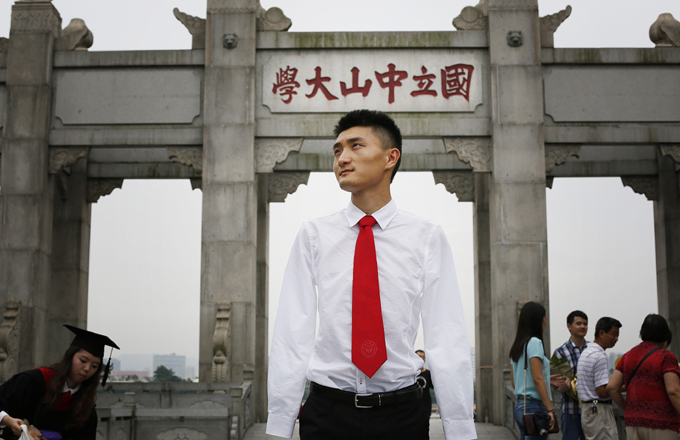
This person has to be recruited externally, and key selection criteria are simply evidence of the assimilation of the values outlined above. Once chosen, it is crucial that this "change agent" reports directly to the organization's leader with a remit to work closely across all departments.
It is likely that this "change agent" is relatively young, compared with an organization's senior management. It is also probable the "change agent" has considerable overseas business experience and, therefore, previous exposure to modern business culture.
Precisely how the "change agent" designs and implements policies and processes to bring about a lasting change in business approach will depend very much on each organization's own culture. However, swift and decisive initiatives are necessary with constant communication of the overall benefits to each employee and the organization as a whole.
Finally, perhaps the most important step on this most necessary change process is the recognition of the need for fundamental change among the leaders and most senior managers inside Chinese organizations. This group should not fear change; rather they should embrace this move toward sustainable competitive advantage from which they, more than any other employees, will benefit greatly.
The message to Chinese business leaders, therefore, is clear: It is time for change and there is no time like the present.
The author is a visiting professor at the University of International Business and Economics, Beijing, and a researcher at Nottingham University's School of Contemporary Chinese Studies.