Comments
  Print
Print  Mail
Mail  Large Medium Small
Of these, analytics is perhaps the most important in relation to mobility. Enterprises should apply analytics in two ways. They should track how employees and customers interact with them through their devices, and use that information to improve the design of their mobile applications. At the same time, enterprises can now collect and process massive amounts of real-time data input by employees and customers. They can use this to analyze trends and activities to improve not only business efficiency but the customer experience as well.
In the age of big data, it is remarkable that none of the Chinese chief information officers consider mobile analytics a priority (compared with 11 percent globally and, for example, 30 percent in India).
Asked about key barriers or inhibitors preventing Chinese companies addressing mobile priorities, security, interoperability and cost concerns stood out. Forty-five percent of global chief information officers see security as a barrier, down 5 percentage points from last year, while in China 63 percent see it as a barrier, up from 42 percent.
How can China build on its world-leading capabilities, gain a sustainable competitive edge and eventually profit financially from them? Drawing on our survey findings, I recommend four core strategies for Chinese chief information officers.
First, draw on the centralized mobile strategy to take a broader view of mobility. Focus on ensuring that mobile efforts are not implemented in ways that create new silos. Creating a comprehensive mobility strategy seems to be more complex than first thought in the last year, many Chinese chief information officers have told me. So they should conduct both a gap analysis and a mobile maturity assessment to identify what they need to do to catch up with peers and competitors. Mobile devices are about more than just communication. They create data that can be used to track customer preferences and develop new product and service offerings.
Second, strengthen the alignment between IT and other business units. By coordinating mobility efforts, departments can share insights in areas including developing applications, deployment, security and managing devices. This can create greater potential for using data as more processes or mobility are enabled. Interoperability with current (legacy) systems is one major gap, while data security is the other. These challenges need to be addressed through cross function/unit collaboration with potential consideration of selected device strategy based on case studies of different business groups.
Third, establish a unified corporate platform to facilitate mobile analytics. Chinese companies are starting to consider that mobility is more effective when considered as part of a unified corporate platform with a flexible governance model.
Finally, build a mobile center of excellence and establish a basis for investing in and tracking mobile technologies. This will help companies invest the time to evaluate mobility as a core enabler in broader transformations and allow them to better track the return on mobility investment, focusing on mobile usability for customers and employees alike. chief information officers should establish a strong research and development group to explore new-technology options and develop a continuous flow of insight and output relating to mobile demands and capabilities. Part of this exercise should include interaction with external sources of information, including vendors in the mobile ecosystem and third-party service providers. They should also address the need to focus intensely on people and expertise.
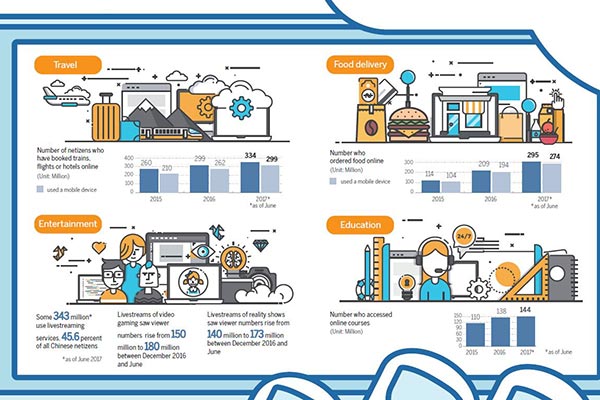
While the Chinese tap and slide their touch screens for purchasing products and services online at ease, the enterprises by contrast are confronted with a lack of skill sets for developing, redefining and implementing their mobility strategy to make the sleek customer experience happen. This is an increasing concern in China, but viewed from another angle it demonstrates the huge market potential for open innovation that will combine the strengths of chief information officers, chief technology officers and external experts as their partners in the journey of transformation.
The author is managing director of Accenture Mobility, Greater China. The views do not necessarily reflect those of China Daily.
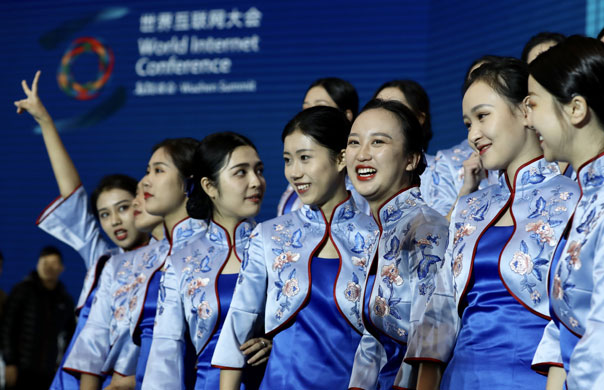 4th World Internet Conference concludes
 Starbucks Reserve Roastery set to open in Shanghai
 Smile to get discounts in Tmall's unmanned supermart
 Top 10 richest Chinese women in 2017
 World leading internet sci-tech achievements released in Wuzhen
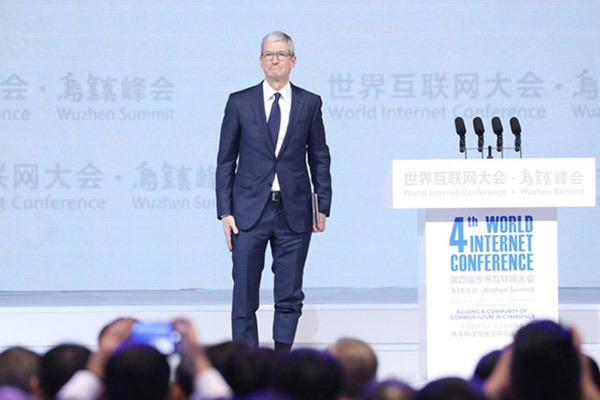 Top tech CEOs take to the stage as Wuzhen Summit opens
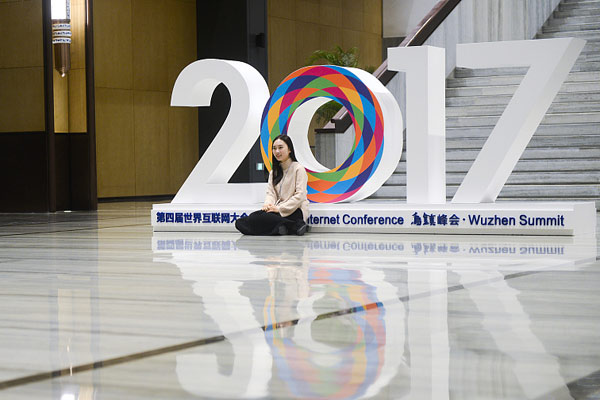 Major topics at 4th World Internet Conference
 'Made in China' dinosaurs amuse the world

Copyright 1995 - . All rights reserved. The content (including but not limited to text, photo, multimedia information, etc) published in this site belongs to China Daily Information Co (CDIC). Without written authorization from CDIC, such content shall not be republished or used in any form. Note: Browsers with 1024*768 or higher resolution are suggested for this site.
License for publishing multimedia online 0108263 Registration Number: 20100000002731