From farmers to consumers and everyone in between, more efforts are needed to ensure food in and from China is safe
"An apple a day keeps the doctor away", is an English idiom that encourages people to eat fresh fruit and vegetables to stay healthy. But how do you know if that apple is really healthy or whether it might send you to hospital with a dose of poison from the chemicals it contains?
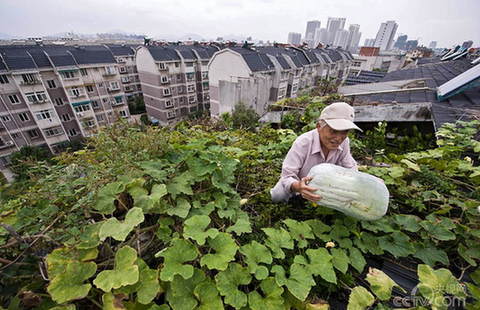
We all depend on the produce of farmers for the high quality, cheap and plentiful food we expect to see in shops and markets. But spare a thought for the farmers who put it there. Farming is not an easy business. Farmers must make a living and they depend heavily on un-controllable natural processes. Farmers do their best to improve the situation and mitigate possible problems, because they want to maximize yield and get the best price for their produce. Fertilizers help to improve plant nutrition, irrigation keeps drought at bay and pesticides help control pests and diseases.
I lead a program at the United Nations Food and Agriculture Organization that helps countries to manage pests and pesticides in ways that will protect crops while also protecting the health of farmers, consumers and the environment. I have witnessed how the national and provincial authorities in China control pesticides, monitor pesticide residues in food and deal with problems such as unauthorized or excessive pesticide use.
China is among the top 3 percent of countries in the world that have a pesticide regulatory service with enough people, equipment and budget to permit it to function effectively. I have seen laboratories with the latest equipment to analyze residues in food. These machines can detect pesticides at concentrations in parts per billion. I have seen basic equipment given to farming cooperatives so that they can check whether their produce contains unexpected levels of pesticides before they send it to market. I have never seen such a system operating anywhere else, and it adds a valuable safeguard to the supply chain.
However, food safety does not and cannot only depend on government controls. The government cannot check the safety of every item, so they take samples randomly or target foods they know to be problematic. But there are others with important roles in ensuring food safety. Farmers must obey the rules so that they can keep selling their produce, because problematic batches of food can be traced to the farmer who grew them, who could lose his livelihood. Retailers too, want to ensure that the food they sell is safe so that customers will trust them. The bigger retailers carry out their own tests for food safety, and in some cases, have direct relationships with growers and can instruct them not to use certain pesticides to increase confidence in the safety of their produce.
Consumers have played a critical role in improving food safety in Europe and the United States and are beginning to act in China. Organized consumers have the power to demand safe food, to pressure retailers to provide it, to force farmers to comply with the rules, to work with government to tighten regulations and enforcement and even to get industry to change its products.
Chinese agricultural produce is not only consumed locally - it is also exported. Any produce that fails to meet safety standards in the country to which it is exported is sent back to the supplier or destroyed at the supplier's expense. If it happens more than once, the supplier is blacklisted and loses their market. It is therefore imperative that export produce meets safety standards, and the same should be true for produce destined for local markets.
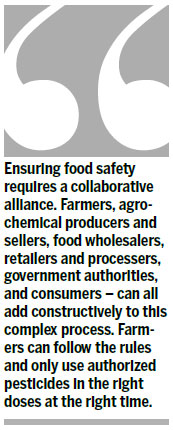
Ensuring food safety requires a collaborative alliance. Farmers, agro-chemical producers and sellers, food wholesalers, retailers and processers, government authorities, and consumers - can all add constructively to this complex process. Farmers can follow the rules and only use authorized pesticides in the right doses at the right time. Pesticide companies can ensure that their products are of good quality and that appropriate products are available to farmers when they need them. Food traders and processors can guide farmers to comply with rules, and can do their own testing to demonstrate compliance and increase consumer confidence. The government must set realistic rules that farmers and industry can comply with, and must enforce those rules effectively and fairly, so that those who comply are rewarded while transgressors are punished. Finally consumers must demand safe food for all and should pressure all parties to ensure that this happens.
Once we have enough to eat, our next concern is whether the food we eat is safe and of good quality. In a market the size of China there are bound to be occasional slip-ups in food safety. Without excusing those who break the rules, such incidences should help to bring stakeholders closer together so that they can collaborate more closely in achieving universal food safety and building confidence that food in and from China is safe.
The author is senior officer of pesticide risk reduction, plant production and protection division at the Food and Agriculture Organization of the United Nations.
 |
 |
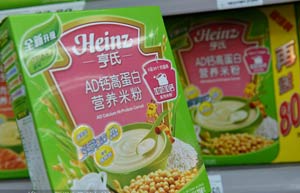
| Heinz recalls four batches of infant food in China |
|

Copyright 1995 - . All rights reserved. The content (including but not limited to text, photo, multimedia information, etc) published in this site belongs to China Daily Information Co (CDIC). Without written authorization from CDIC, such content shall not be republished or used in any form. Note: Browsers with 1024*768 or higher resolution are suggested for this site.
License for publishing multimedia online 0108263 Registration Number: 20100000002731