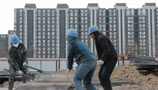
BEIJING - Tangshan Songting Iron and Steel Co, a steel mill in China's largest steel-producing city Tangshan, re-opened in April after five months laying idle.
The company, which temporarily shutdown in November over mounting debt, is looking to restart production soon, media outlets quoted an unnamed industrial insider as saying.
Similarly, mills in other steel-producing regions, including Tianjin and Shanxi, are resuming operation, despite a move by the government to downsize the steel sector.
China's steel sector had experienced years of plunging prices and factory shutdowns due to the sluggish economy, however, in March demand picked up thanks to infrastructure and property projects.
Steel product prices have increased more than 60 percent in the year to date. Hot-rolled steel coils, for example, increased to around 3,200 yuan ($500) per ton from less than 2,000 yuan at the beginning of the year.
Encouraged by the upward pricing trend, many steel mills are resuming production.
National daily crude steel output amounted 2.28 million tons in March, up 12.9 percent from the first two months -- nearing the record 2.31 million tons seen in June 2014. The purchasing managers' index that tracks the iron and steel sector increased to 57.3 in April, the first time in two years that the index has climbed above 50, the level that separates expansion from contraction.
China's steel industry has been plagued by overcapacity for years. It has been felt even more in the past two years as demand for steel has dropped.
Steel producers experienced their worst year in 2015, with combined losses in main business soaring 24-fold from 2014 to over 100 billion yuan.
Despite the warming market, however, some are warning that it is too early to celebrate, just yet. There are concerns over whether the construction-driven price spike will impede the government plans for the steel sector.
The return of steel companies adds pressure to the streamlining of the sector, thus, policies need to be better implemented, said Ma Li, an analyst with Lange Steel, a steel information website.
Analysts expect the reopened factories will push crude steel output to a new high in April, but the government has vowed to control production. North China's Hebei Province has asked officials to crack down on new mill projects and close those that failed to secure re-opening approval.
On the other hand, some are downplaying the impact from surging steel prices, describing the rebound as "no more than a blip."
The rapid price spikes are not sustainable as they are largely driven by a seasonal pick-up in fixed-asset investment and exacerbated by speculation in the steel futures market, according to Fitch Ratings.
The rating agency expects steel prices will be under significant pressure in the near term as domestic demand for steel has generally remained flat.
Vice president of China Iron and Steel Industry Association Qu Xiuli, said that although steel production is likely to hit new high in April, the rise in supply will help rein in the rampant market.
Some industry insiders argue that consolidation of the sector will be a long process and unlikely to be disturbed by short-term changes.
"It is like a 'protracted war' we cannot win in single combat," said Zou Jixin, vice president of Wuhan Iron and Steel (Group) Co. To cut excess capacity, debt-ridden and inefficient steel producers need to make big changes, Zou said.
Liu Weiming, financial analyst with CITIC Bank, went further and said the price surge may even help steel mills; "The price rebound will improve the solvency of steel companies and give them more room for restructuring."
Moreover, price hikes are unlikely to change policymakers' resolve.
China's financial regulators in late April ordered banks to stop issuing loans to steel and coal enterprises that operate at a loss.
The Ministry of Commerce said last week that it will work with more nations to address steel overcapacity.
The government shut down outdated facilities with total production capacity of over 90 million tons in the past five years, and it plans to slash another 100 million to 150 million tons by 2020.


Copyright 1995 - . All rights reserved. The content (including but not limited to text, photo, multimedia information, etc) published in this site belongs to China Daily Information Co (CDIC). Without written authorization from CDIC, such content shall not be republished or used in any form. Note: Browsers with 1024*768 or higher resolution are suggested for this site.
License for publishing multimedia online 0108263 Registration Number: 130349