 |
|
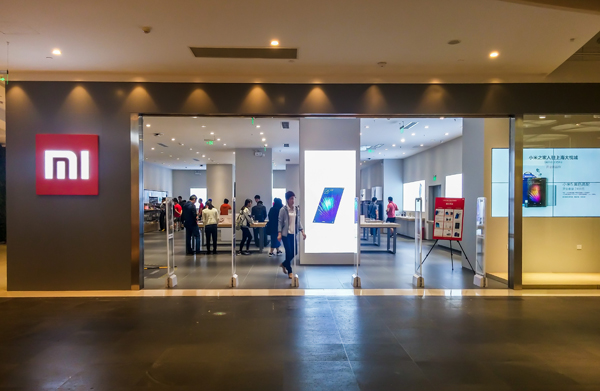
A view of a store of Xiaomi in Shanghai on May 13, 2016. [Photo/VCG] |
E-commerce-savvy Chinese smartphone vendors are seeking to expand their offline retailing presence, as online sales of smartphones has plateaued, signaling an important change in their efforts to wrestle with the slowing demand in the country.
Xiaomi Corp, which once led a meteoric rise in web-only sales, has become one of the first local players to diversify its retailing channels after online sales slowed.
Lei Jun, CEO and founder of Xiaomi, said the company will open more than 1,000 offline experience stores over the next three to four years, as it works to reduce its overreliance on online shopping platforms, which account for more than two-thirds of its sales volume.
"The proportion of online sales is too big," Lei said. "Expanding offline retail is key to maintaining the stellar growth we have seen in the past four years."
Xiaomi rival Lenovo Group is also increasing its focus on brick-and-mortar stores, with Chen Xudong, its senior vice-president, saying: "It will be impossible to survive the competition if we can't get a strong foothold in the offline retailing market."
Honor, the sub-brand created by Huawei Technologies to compete with Xiaomi, has made similar moves, partnering with more retailers, so that consumers can have a hands-on experience with their latest products.
Zhao Ming, head of Honor operations, said: "Consumers are becoming more quality-conscious. Offering low-price smartphones online is not enough to motivate them to make purchases. They want to touch the phones."
The trend emerged after little-known firms Oppo Electronics Corp and Vivo Mobile Communication Technology became two of the top-five vendors in China by forming brick-and-mortar partners hips in small cities.
Tay Xiaohan, an analyst at International Data Corp, said that "in the past, Xiaomi started the trend of selling cellphones online, and other vendors soon followed suit".
However, with China's smartphone market reaching the saturation point, companies are now pouring more resources into offline retail, Tay said.
Data from research firm Counterpoint Technology Market Research show that e-commerce accounts for 30 percent of China's total smartphone sales, and telecom carriers' retail channels account for another 30 percent. Offline retail stores account for the remaining 40 percent.
"It will be difficult for firms such as Xiaomi to establish a successful offline retail network in the short term, as they lack both experience and talent," said C.K. Lu, principal analyst at consulting firm Gartner Inc.


Copyright 1995 - . All rights reserved. The content (including but not limited to text, photo, multimedia information, etc) published in this site belongs to China Daily Information Co (CDIC). Without written authorization from CDIC, such content shall not be republished or used in any form. Note: Browsers with 1024*768 or higher resolution are suggested for this site.
License for publishing multimedia online 0108263 Registration Number: 130349