CHINA> Regional

|
CHINA> Regional
|
|
Living Buddha: Serfs emancipation in Tibet similar to US abolition of slavery
(Xinhua)
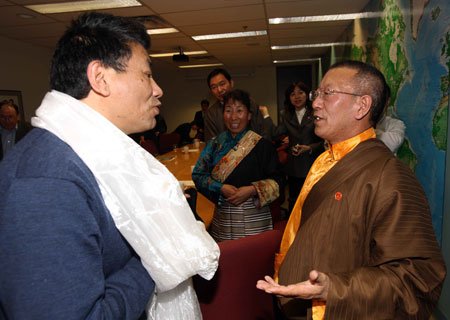
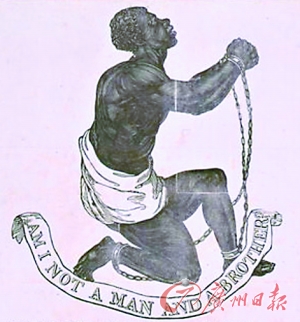
Updated: 2009-03-26 18:44 OTTAWA -- A Tibetan living Buddha on Monday compared the emancipation of serfs in Tibet 50 years ago to the abolition of slavery in the United States in 1862, saying the two are of similar significance.
The Tibetan Autonomous Region People's Congress, the regional legislature, endorsed a bill on January 19, 2009 to designate March 28 as an annual Serfs Emancipation Day, to mark the date on which about 1 million serfs in the region were freed 50 years ago.
Serfs were seen as the private property of landowners, mostly the nobles, monasteries and government officials, according to historical records. Landowners could legally insult, punish, buy and sell, whip, and even brutally kill their serfs.
That meant the end of serfdom and the abolition of the hierarchic social system characterized by theocracy, with the Dalai Lama as the core of the leadership. The move came after the central government foiled an armed rebellion staged by the Dalai Lama and his supporters, most of whom were slave owners attempting to maintain serfdom. "By setting the Serfs Emancipation Day, we hope that history will not be forgotten," Shingtsa Tenzinchodrak said. Milliken said the Canadian House of Commons hopes to improve exchanges with the Chinese parliament and help improve relations between Canada and China. He also said that Canada and China share broad interests and the current global economic recession makes cooperation and exchanges between the two countries even more important. Shingtsa Tenzinchodrak is leading a five-member delegation of Tibetan deputies of the National People's Congress, China's parliament, in Canada for a visit. On Monday, the delegation also met with Ken Sunquist, Assistant Deputy Minister of Foreign Affairs and International Trade Canada, and held talks with members of the Canadian House of Commons and Senate. |
主站蜘蛛池模板: 黄浦区| 浙江省| 襄汾县| 临武县| 称多县| 齐河县| 松潘县| 河南省| 通榆县| 涞水县| 郯城县| 德江县| 东方市| 平顺县| 凤山县| 乌鲁木齐县| 论坛| 上高县| 罗源县| 巴东县| 固原市| 周口市| 顺昌县| 靖州| 乐至县| 石门县| 德保县| 兰州市| 谢通门县| 彰化市| 安西县| 黄平县| 理塘县| 乾安县| 绥阳县| 丹东市| 紫金县| 绥滨县| 咸阳市| 栾川县| 鄄城县| 静海县| 鄂托克旗| 思茅市| 南投县| 来凤县| 高密市| 双峰县| 浦城县| 滦平县| 嘉定区| 志丹县| 灵台县| 雷州市| 施秉县| 忻城县| 达拉特旗| 南开区| 沾益县| 丹棱县| 肥东县| 霍州市| 洛南县| 贞丰县| 济阳县| 赤峰市| 四会市| 共和县| 徐闻县| 城口县| 班玛县| 东光县| 赞皇县| 石台县| 康乐县| 贵港市| 九龙坡区| 聊城市| 扬州市| 九台市| 时尚| 和政县|