|
|

NPC & CPPCC > Commentary
|
Hukou reform significantBy (China Daily)
Updated: 2009-02-25 07:48 The hukou (permanent residency permit) system, a system that restricts the free flow of the population within their own country, has caused countless heartbreaks since its adoption more than 50 years ago. It has blocked family reunions and impeded education opportunities for children and job opportunities for their parents. People without a hukou are often treated like second-class citizens in the city they have worked and paid taxes for years. That's why when the Shanghai government on Monday announced temporary rules to reform its hukou system, it attracted nationwide attention, especially that of those who flocked to the city during the past 15 years of economic boom. The Shanghai rules are designed mostly to attract talented professionals. Applicants must meet a minimum of five requirements - holding a local residency permit for seven years, participating in the city's social security program for seven years, paying taxes, having a mid-level professional title, and violating neither the family planning nor other laws. Since the residency permit system in Shanghai started only in June 2002, few people meet the above five requirements. Many have questioned such stringent rules as a mission impossible for those who now work and live in the city. However, the significance of the Shanghai reform should not be underestimated. A small step in liberalizing the hukou system, it has sent a clear signal to all Chinese cities and governments at all levels that the long-standing and thorny hukou problem should be addressed. Without a Shanghai hukou, people who have lived and worked in the city for years still must return to their hometowns for seemingly menial tasks, such as renewing passports, while their children are required to go back for college entrance exams. Such a system has caused immense hardships for several million Shanghai residents who don't possess a local permit. It has even deterred the many professionals Shanghai desperately needs to lure and retain. With the new rules, professionals will find Shanghai, already a top destination for talent, an even more attractive place to make a home. This will, in return, help boost its social and economic development for many years to come. But the new rules are not without flaws. It has excluded many people who have lived in the city for many years, working low-level jobs, such as nannies, waitresses and construction workers. They also pay taxes, abide by laws and want to make Shanghai their permanent home. But their chance of getting a local hukou seems to be slim. One of the few immigration cities in China, Shanghai should take the lead in welcoming people from all over the country and all over the world. The existing hukou system, which impedes free human movement and discriminates people as rural and urban, is not based on a fair and just model. It no longer suits today's society, in which hundreds of millions of people are on the move. Reforming the hukou system is understandably no easy task, but there is no excuse for doing nothing to correct the system and ultimately abolishing it.
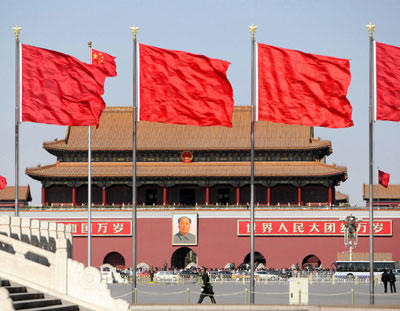
An editorial of the People's Daily has called on China's top political advisory body to made due contributions to help the country weather through difficulties.
|
       |
主站蜘蛛池模板: 汪清县| 山阳县| 兴国县| 永安市| 普格县| 招远市| 永安市| 湘潭县| 武清区| 五台县| 两当县| 马尔康县| 赣州市| 大同县| 广水市| 新平| 宁安市| 温宿县| 闽清县| 庐江县| 望奎县| 温州市| 石渠县| 纳雍县| 玛曲县| 巴东县| 嵊泗县| 龙门县| 堆龙德庆县| 常山县| 苍梧县| 务川| 南澳县| 凤山市| 亳州市| 宁河县| 贵港市| 大足县| 嘉定区| 定日县| 墨竹工卡县| 剑阁县| 施秉县| 台前县| 开远市| 信阳市| 丰顺县| 阿克苏市| 苏州市| 茌平县| 永福县| 荆门市| 龙川县| 连平县| 秭归县| 始兴县| 句容市| 甘孜县| 临沂市| 黔西县| 福海县| 万州区| 紫云| 沭阳县| 新昌县| 射洪县| 景泰县| 安图县| 南康市| 枞阳县| 来宾市| 朔州市| 武安市| 遵义县| 辉南县| 如皋市| 盐城市| 包头市| 中西区| 姜堰市| 龙南县| 新蔡县|