Society
Cinema paradiso:what happens when nostalgia meets reality
By Qin Zhongwei and Han Bingbin (China Daily)
Updated: 2010-09-12 09:47
 |
Large Medium Small |
Chinese films have undergone theatrical changes that some say reflect the leapfrog progress in the country. Qin Zhongwei and Han Bingbin investigate the dramatic developments.
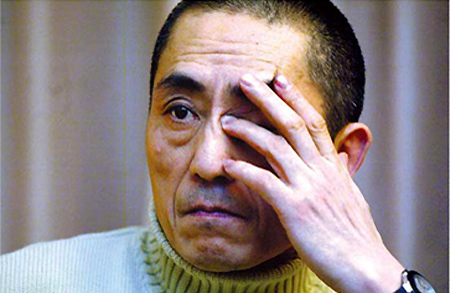
Director Zhang Yimou was having a hard time looking for his next lead. In the search for a suitable actress for his latest film Under The Hawthorn Tree, China's foremost director sat through countless casting calls and did the rounds of innumerable colleges and academies hoping to spot the face he wanted.
 |
|
|
He was after "pretty but innocent", "clean and pure", qualities that seemed glaringly absent in the fresh pools of talent he was tapping into.
After months of frustration, he finally identified Zhou Dongyu, a high school student from Shijiazhuang in China's northern Hebei province.
Being hand-picked by Zhang Yimou is a once-in-a-lifetime opportunity that can become a springboard to fame and fortune, as his past prodigies Gong Li and Zhang Ziyi have proven. The day Zhang Yimou pointed a finger at her, the 18-year-old Zhou became part of the Chinese Cinderella dream.
But underlying the difficulties of his search, Zhang's long quest also brought into sharp focus the transformation in Chinese cinema - changes that mirror broader phases the country itself is going through.
He is not the only one having a tough time matching perfect talent to perfect script.
Berlin Film Festival Golden Bear award-winner Wang Quan'an also wants the face of innocence and purity for his new epic Bai Lu Yuan. Lu Chuan, a leader of the pack among sixth-generation directors, is still looking.
This is where the reality of life in China today conflicts with the nostalgia and the past from whence these directors draw inspiration.
 |
|
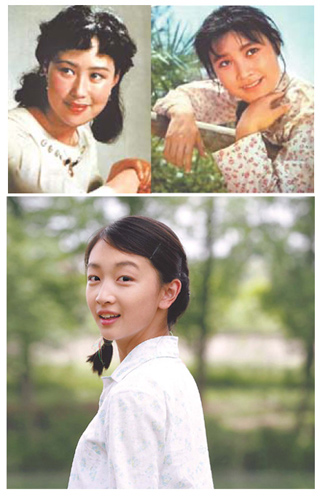
Zhou Dongyu, Zhang Yimou's latest find, is a rare throw-back to the days when actresses like Siqin Gaowa (above) and Joan Chen (top) were popular. Provided to China Daily |
It was a harder life in the '70s and earlier, but the choices were simpler.
Joan Chen, Siqin Gaowa and Liu Xiaoqing defined beauty of that age. They were buxom, doe-eyed and had long flowing locks. When Chen and Liu co-starred in the 1979 romantic classic Xiao Hua (Little Flower), they epitomized womanly perfection for a generation of fans.
Film director and critic Jiang Xiaoyu says it is a natural reflection of the times. In an economically infertile age when material hardship was widespread, audiences escaping into the cinema wanted the comfort of full-figured female images.
The acceptable acting style, too, was more exaggerated than realistic. Even now, Liu Xiaoqing is the acknowledged drama queen of daytime television.
Joan Chen chose a considerably lower profile after she left for Hollywood, producing her own films and documentaries with an occasional cameo playing the classic Chinese beauty in foreign films.
As the '80s settled and economic reforms became entrenched, acting styles and the faces in Chinese cinema began to reflect what was happening at home.
Zhang Yu updated the image of women in Chinese cinema with her role as a student just back from abroad. But, she still projected the plump and tender on-screen heroine, exposed to the world but still pure of heart.
About the same time, Gong Li appeared in several award-winning Zhang Yimou period productions where her bosom-heaving, fiery, feisty roles startled the mindsets of cinemagoers at home in the movie halls and abroad at film festivals. Her go-getting portrayals mirrored the first attempts at experimental entrepreneurship on the ground.
The metamorphosis of the feminine image in Chinese cinema was well and truly on its way.
But like all actresses in her generation, Gong Li and her contemporaries were classically grounded in textbook acting. In spite of changing appearances, their ability to draw from real-life emotions and experiences still mirrored the times they were living in, which was a lot more austere in mental and material temptations compared to now, Jiang observed.
Ironically, it is this "purity and simplicity" that Zhang Yimou and his cohort are looking for now. But once the changes begin, there can be no holding back, and their search will only get harder and harder, and ultimately, it may even be futile.
"When we look back at these actresses, we can't help but think how rustic they were," says China Daily columnist and film critic Raymond Zhou, a long-time observer of the changes in Chinese cinema. "The actresses these days are noticeably more sophisticated and trendy."
They are more world-wise as well, in order to cope with the increasingly sophisticated environment in which they have to hone their skills and eke a living.
The aesthetic appreciation of movie-ticket buyers has shifted in tandem and they now want their on-screen heroines to look a lot more like international screen icons from say, Hollywood.
Zhou also points out that audiences these days are more diversified, with differing tastes and definitions of beauty.
"Like Zhang Ziyi, Zhou Xun, Zhao Wei and Xu Jinglei," Zhou says, describing the four leading actresses of the day. "They each have distinctive looks and styles." And therefore, different fan bases.
Zhang Ziyi exploited her potential with a dramatic debut in Zhang Yimou's rustic romance The Road Home. Later, she would shed her pigtails and steal the limelight with her supporting role in Ang Lee's Oscar-winning Crouching Tiger Hidden Dragon.
Zhou Xun, coming after Zhang Ziyi, has often been described as the best actress of her generation, being able to carry an entire movie on her own like the much-lauded Painted Skin.
The big-eyed Zhao Wei, launched to fame by her cheeky portrayal of a vagabond maid turned royalty in the monster hit Taiwanese television series Princess Pearl, is appreciated for her excellent comic timing and her colorful personality. She successfully established footholds on both sides of the Straits in Hong Kong and Taipei.
Xu Jinglei, known for her versatility on screen and her ambitions as a director, is equally respected for her business acumen. She has adapted to various screen roles with the ease of a chameleon, taking it even further by getting behind the camera with a successful crossover to directing.
 主站蜘蛛池模板:
杭锦旗|
闸北区|
沽源县|
札达县|
昌平区|
上栗县|
温州市|
张家川|
涡阳县|
连江县|
沾益县|
宝应县|
萍乡市|
刚察县|
玉山县|
黄山市|
乐昌市|
麻江县|
瑞丽市|
宁阳县|
博罗县|
泰宁县|
仁化县|
察雅县|
池州市|
嵩明县|
贵阳市|
江阴市|
玉田县|
建德市|
共和县|
岑巩县|
新宁县|
桐梓县|
广饶县|
镇平县|
阳山县|
临安市|
衡山县|
阿拉善右旗|
弥勒县|
道真|
应城市|
郑州市|
梁平县|
延边|
灵山县|
隆德县|
濉溪县|
湖南省|
泾川县|
潼关县|
项城市|
京山县|
凤城市|
文化|
江阴市|
南华县|
军事|
鄂尔多斯市|
宁晋县|
越西县|
山西省|
慈利县|
山东省|
东丰县|
施秉县|
菏泽市|
庆安县|
中超|
渝中区|
杭州市|
余庆县|
磐石市|
平度市|
南郑县|
东乌|
偏关县|
于田县|
宁海县|
沙河市|
湟源县|
主站蜘蛛池模板:
杭锦旗|
闸北区|
沽源县|
札达县|
昌平区|
上栗县|
温州市|
张家川|
涡阳县|
连江县|
沾益县|
宝应县|
萍乡市|
刚察县|
玉山县|
黄山市|
乐昌市|
麻江县|
瑞丽市|
宁阳县|
博罗县|
泰宁县|
仁化县|
察雅县|
池州市|
嵩明县|
贵阳市|
江阴市|
玉田县|
建德市|
共和县|
岑巩县|
新宁县|
桐梓县|
广饶县|
镇平县|
阳山县|
临安市|
衡山县|
阿拉善右旗|
弥勒县|
道真|
应城市|
郑州市|
梁平县|
延边|
灵山县|
隆德县|
濉溪县|
湖南省|
泾川县|
潼关县|
项城市|
京山县|
凤城市|
文化|
江阴市|
南华县|
军事|
鄂尔多斯市|
宁晋县|
越西县|
山西省|
慈利县|
山东省|
东丰县|
施秉县|
菏泽市|
庆安县|
中超|
渝中区|
杭州市|
余庆县|
磐石市|
平度市|
南郑县|
东乌|
偏关县|
于田县|
宁海县|
沙河市|
湟源县|