Government and Policy
Minister prepares to solve ethnic challenges
By Zhao Yinan (China Daily)
Updated: 2010-11-18 06:50
 |
Large Medium Small |
BEIJING - China faces new challenges in managing ethnic affairs posed by rapid urbanization and social transformation, as more ethnic migrant workers head to cities for a better life, a top official said.
|
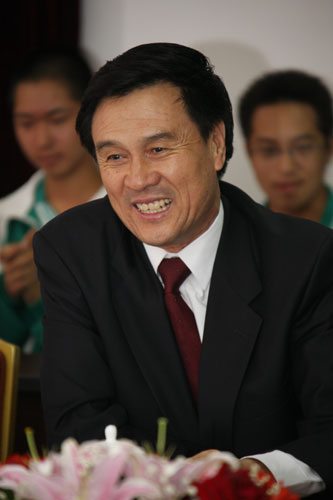 Yang Jing is the Minister of the State Ethnic Affairs Commission. |
"As society is in a period of transformation, ethnic affairs in the country are characterized by new features and problems," Minister of the State Ethnic Affairs Commission Yang Jing said in an interview with China Daily.
"These problems, including the management of and public service for urban ethnic groups, unbalanced development among ethnic autonomous areas and disputes caused by different customs, may bring about very negative social influences if neglected," Yang warned.
More than 12 million people from China's ethnic groups are now working in cities as migrant workers, which represents 10 percent of the total ethnic population in China, according to statistics from the commission.
Zhang Ruopu, deputy chief of the commission's regulation and policy department, earlier told Beijing-based Caijing magazine that more than 70 percent of incidents related to ethnic affairs happen in urban areas.
China has been providing financial aid and preferential policies to help ethnic people shake off poverty.
From 2001 to 2010, the central government allocated more than 310 billion yuan ($46.7 billion) to the Tibet autonomous region, or 110,000 yuan per capita, according to official statistics.
Of every 100 yuan the Tibet regional government spends, 90 yuan comes from the central government.
Yang said the total GDP of eight ethnically-concentrated autonomous regions and provinces in China reached 3.4 trillion yuan in 2009, a year-on-year rise of 13.1 percent.
Along with financial aids, the country also provides preferential policies in medical care, social insurance and education in an attempt to ease social disputes caused by the widening wealth gap.
"The basic medical care system and basic social insurance system cover 98.5 percent of ethnic people," the minister said.
Children from low-income ethnic families are given priority to enjoy free compulsory education and housing subsidies, he added.
Yang said the population living under the absolute poverty line (an annual income under 1,196 yuan) in the countryside of the eight ethnically-concentrated autonomous regions and provinces dropped to 14.5 million in 2009, almost 50 percent less than in 2001.
Despite the achievements, Yang admitted the country still faces difficulties in the development of ethnic areas, such as a mounting income gap and insufficient infrastructure.
To provide legal guidance for work concerning ethnic groups, Yang highlighted the importance of "accelerating the legislative process".
The draft amendment to the Regulations on Work for Urban Ethnic Groups, the country's top regulation on ethnic relations in urban areas launched in 1993, has been listed on this year's legislation agenda of the State Council.
China Daily
(China Daily 11/18/2010 page2)
 主站蜘蛛池模板:
南阳市|
荣成市|
夹江县|
武平县|
成都市|
浑源县|
呼伦贝尔市|
兰州市|
灯塔市|
临武县|
鹤庆县|
张北县|
库尔勒市|
左贡县|
乌审旗|
潞西市|
平和县|
剑阁县|
三江|
安新县|
子长县|
榆社县|
锡林浩特市|
嘉黎县|
陆川县|
宝坻区|
永善县|
台州市|
洛浦县|
栾川县|
泾源县|
铁岭市|
博白县|
稻城县|
大竹县|
上思县|
达日县|
乌拉特中旗|
通山县|
吉林省|
东丽区|
财经|
海淀区|
名山县|
乌拉特中旗|
元氏县|
清镇市|
内黄县|
衡阳市|
离岛区|
临桂县|
宜宾市|
容城县|
奉贤区|
晋州市|
独山县|
揭阳市|
来安县|
曲阳县|
临颍县|
金秀|
平南县|
通州区|
新干县|
凤翔县|
铜鼓县|
宣汉县|
泸西县|
湘潭县|
营口市|
抚顺县|
秦安县|
清苑县|
江门市|
普宁市|
泰兴市|
鲁甸县|
闵行区|
武义县|
荆州市|
黔江区|
榆林市|
主站蜘蛛池模板:
南阳市|
荣成市|
夹江县|
武平县|
成都市|
浑源县|
呼伦贝尔市|
兰州市|
灯塔市|
临武县|
鹤庆县|
张北县|
库尔勒市|
左贡县|
乌审旗|
潞西市|
平和县|
剑阁县|
三江|
安新县|
子长县|
榆社县|
锡林浩特市|
嘉黎县|
陆川县|
宝坻区|
永善县|
台州市|
洛浦县|
栾川县|
泾源县|
铁岭市|
博白县|
稻城县|
大竹县|
上思县|
达日县|
乌拉特中旗|
通山县|
吉林省|
东丽区|
财经|
海淀区|
名山县|
乌拉特中旗|
元氏县|
清镇市|
内黄县|
衡阳市|
离岛区|
临桂县|
宜宾市|
容城县|
奉贤区|
晋州市|
独山县|
揭阳市|
来安县|
曲阳县|
临颍县|
金秀|
平南县|
通州区|
新干县|
凤翔县|
铜鼓县|
宣汉县|
泸西县|
湘潭县|
营口市|
抚顺县|
秦安县|
清苑县|
江门市|
普宁市|
泰兴市|
鲁甸县|
闵行区|
武义县|
荆州市|
黔江区|
榆林市|