Society
Animal live show ban nears
By Hu Yongqi and Zhang Leilong in Zhengzhou, and Duan Yan in Beijing (China Daily)
Updated: 2010-11-23 07:03
 |
Large Medium Small |
In Puyang, Henan's so-called "city of animal training", many people are also struggling to understand why their profession is being outlawed.
|
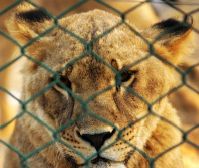 A lioness inside one of the enclosures at Zhengzhou Zoo, where animal shows have been a big draw. PROVIDED TO CHINA DAILY
|
"Why is the regulation so one-size-fits-all?" asked Shi Huaimin, 46, a native of the city who heads the team of trainers at Zhengzhou Zoo. "Taming animals is a cultural phenomenon that has existed in Puyang for six, seven decades.
"If we can't perform, there may be no way to protect this heritage and it could disappear entirely," he warned.
The city, which sits on the northern shore of the Yellow River, has been famous for its animal trainers since the Qing Dynasty (1644-1911). As residents were unable to grow much on its sandy, barren lands, large numbers were forced to make a living as entertainers, traveling China with monkeys, camels and even dogs. Today, it is a pillar industry that involves more than 400 villagers.
Liu at the Chinese Association of Zoological Gardens said that, although the ban will be tough on communities in Puyang, it is in keeping with "the global consensus that animal performances shouldn't be allowed".
Shi and his team started running the shows at Zhengzhou Zoo in September 2009 after moving from Wuhan, capital of Hubei province.
|
Planners squeeze zoos out of cities ZHENGZHOU — As cities continue to develop and expand, urban planners across China are attempting to move zoos and animal parks into outlying suburbs. With demand for land high, developers say that many animal parks are taking up prime real estate. In 1984, when Zhengzhou Zoo was still fairly central, the Henan province’s Administration Center for Bicycle Sports loaned 50 mu (3.3 hectares) to build a bicycle competition gymnasium. As compensation, the city government offered the use of another nearby patch of land. As the city grew, though, tall and imposing buildings soon began to surround the zoo. “It became impossible for the government to find land around the zoo,” said Li Guohong, director of the zoo’s general office, who explained that staff members were also frustrated when they learned the bicycle center had loaned out part of the land to a driving school. As a protest and to call for the return of the land, more than 100 workers placed cages holding a lion and two tigers outside of the center. Several of the animal parks that have already been squeezed out of city centers have complained the move had a major impact on their incomes. After being moved to the outskirts in 2004, bosses at Harbin Zoo in Northeast China’s Heilongjiang province said visitor numbers fell from 800,00 a year to just 100,000. As a result, ticket prices increased from 10 yuan ($1.5) to 80 yuan. CHINA DAILY |
In August this year, an inspection team from the State Forestry Administration ordered the park to cancel two shows - one in which tigers jump through flaming rings, the other involving bears playing with fire sticks - as they feared they "may be harmful to the animals".
The team cancelled the shows but Shi denied any of his animals are mistreated.
"If my son is sick, my wife can take him to the hospital. But if one of the animals gets sick, I immediately come back because these animals are what we live on," he said, his eyes filling with tears.
However, as it is the trainers and not zoos that usually own the performance animals, that bonus could soon become a burden.
"It's impossible to sell these animals and there will be no places where we can make money now," said Shi, who explained that food for 10 animals can cost roughly 900 yuan a day. "How are we going to make this money?
"It's clearly impossible to perform on the streets or in villages, and now we're banned from parks and zoos. All our opportunities have been cut off," he added.
Natural lessons
Although happy about the ban, animal rights campaigners are now urging authorities to further crackdown on wildlife performances through education.
"When people's awareness on animal protection increases, they will be less interested in shows that harm animals," said HuaNing, China program director for the International Fund for Animal Welfare.
Xiamen AnimalProtection Association is also compiling China's first textbook on animal protection, which will be distributed among elementary and middle schools throughout the city on the coast of Fujian province.
After visiting Dalian Zoo in Northeast China's Liaoning province, Xiao Bing, the Xiamen group's chairman, said he was ignored when he complained about employees selling live chickens for visitors to feed the tigers, a practice that is already prohibited.
"The food for these animals is not enough and that's why we have seen more incidents of zoo animals attacking people in recent years. Keeping the beasts hungry will only make them more likely to attack," said Xiao.
China still does not have any laws on animal welfare. A draft of the Animal Protection Law was released in September 2009 but is still under consideration.
The Chinese Association of Zoological Gardens' 10-year development guide for zoos is also still in the design stage.
In the meantime, program director Liu said the new regulations will be the "first step" in guiding the country's zoos back to their original purpose: teaching people about the wonders of nature.
"We have to stop these bad things (like live shows) first and then we'll be free to do more things," he said. "Otherwise, all we'll be doing is putting out fires."
Xiang Mingchao contributed to this story.
(China Daily 11/23/2010 page1)
 主站蜘蛛池模板:
长岭县|
尚义县|
濉溪县|
南充市|
咸宁市|
德保县|
南岸区|
福安市|
巴中市|
泗阳县|
乌恰县|
靖边县|
杭州市|
亳州市|
南部县|
开阳县|
宜城市|
永登县|
石城县|
丰宁|
菏泽市|
枣阳市|
克拉玛依市|
攀枝花市|
泌阳县|
驻马店市|
顺昌县|
纳雍县|
永济市|
田林县|
勐海县|
开远市|
龙江县|
侯马市|
景德镇市|
大邑县|
高邮市|
祁门县|
怀远县|
拜泉县|
镇宁|
墨玉县|
绥棱县|
灵丘县|
华宁县|
东海县|
行唐县|
滁州市|
临沂市|
东辽县|
东兴市|
确山县|
福州市|
武穴市|
永泰县|
寿宁县|
汤原县|
新龙县|
灌南县|
曲阳县|
广丰县|
屏南县|
通化县|
稷山县|
庆元县|
阆中市|
福海县|
岑巩县|
项城市|
洞头县|
嘉善县|
和硕县|
仙游县|
长宁区|
如东县|
西昌市|
舒城县|
赤城县|
闽清县|
三都|
枣强县|
玉龙|
主站蜘蛛池模板:
长岭县|
尚义县|
濉溪县|
南充市|
咸宁市|
德保县|
南岸区|
福安市|
巴中市|
泗阳县|
乌恰县|
靖边县|
杭州市|
亳州市|
南部县|
开阳县|
宜城市|
永登县|
石城县|
丰宁|
菏泽市|
枣阳市|
克拉玛依市|
攀枝花市|
泌阳县|
驻马店市|
顺昌县|
纳雍县|
永济市|
田林县|
勐海县|
开远市|
龙江县|
侯马市|
景德镇市|
大邑县|
高邮市|
祁门县|
怀远县|
拜泉县|
镇宁|
墨玉县|
绥棱县|
灵丘县|
华宁县|
东海县|
行唐县|
滁州市|
临沂市|
东辽县|
东兴市|
确山县|
福州市|
武穴市|
永泰县|
寿宁县|
汤原县|
新龙县|
灌南县|
曲阳县|
广丰县|
屏南县|
通化县|
稷山县|
庆元县|
阆中市|
福海县|
岑巩县|
项城市|
洞头县|
嘉善县|
和硕县|
仙游县|
长宁区|
如东县|
西昌市|
舒城县|
赤城县|
闽清县|
三都|
枣强县|
玉龙|