Society
Lantern makers keep flame alive
By Zhou Wenting (China Daily)
Updated: 2011-02-17 07:52
 |
Large Medium Small |
During a forum on the protection of traditional handicrafts held in Beijing in June, Deputy Culture Minister Wang Wenzhang put forward the philosophy of productive protection, meaning applying appropriate production to traditional crafts to foster their use and development.
Cai Binghan made two rose-style lanterns for his granddaughter's wedding ceremony and another one as a lampshade, but nobody promoted the products for him.
Huang Lifeng tried to develop her small lanterns as gifts, and she said many literary men were interested. But she couldn't afford the cost of packaging. "In this case, the government should act as a go-between for the masters and their clients to open up chances fore sales," Huang said.
One member of the National Experts Committee for Intangible Cultural Heritage Protection said the heritage list was decided quickly and included many items (1,002 on the three lists in the past six years), but subsequent measures were lacking.
In Quanzhou Intangible Cultural Heritage Protection Center, the two employees who carry out everyday work are post-retirement workers. Nobody has been hired who is trained in protecting heritage or who might make it a career.
"The key to protection is not a list and titles, but concrete measures to help different items and the masters," said Hang Jian, 49, the experts committee member and deputy dean of Tsinghua University's academy of art and design.
"Productive protection can't save every skill, like the lantern, which requires a long time of handwork and is based on festive culture," he said. "To look at the prospects of the craft, the government should figure out specific ways to promote new uses of the traditional craft in the modern time."
|
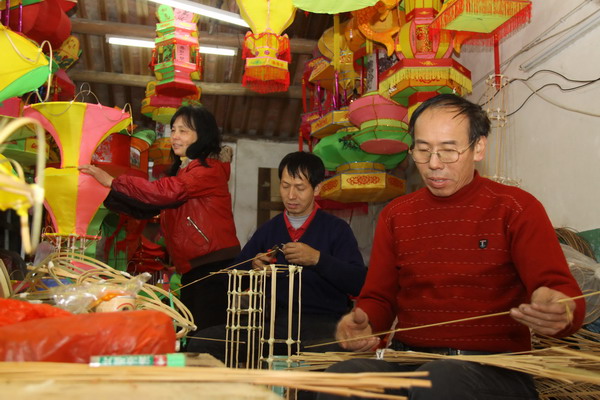 Cao Shuzhen (left) and her brothers, Cao Zhixiong (center) and Cao Zhimeng, are making lanterns at their family workshop in Quanzhou, Fujian province. Cao Shuzhen is a provincial-level master of this art form. [Photo/China Daily]
|
Catch the young
When protection work is in its premature phase, it is even harder to consider passing on the skills.
Several students from Fujian Normal University came to learn lantern making with Cai Binghan in 2009, but after their graduation last year, he lost contact with them. "I understand why they gave up learning," he said. "Economic prospects." When young people see the lantern masters living hard lives, they look for another line of work.
Cai can make only two lanterns every year because of failing eyesight and agility. He also has suffered from heart disease and gout for more than 10 years, but is deeply concerned about passing on the skills.
"Everything is produced by hand, from the orderly needle punctures to creases of various shapes, which are all based on decades of exploration and experience," he said. "Moreover, it also needs perception, a calm mentality, skills of design innovation and tool-making. It can't be learned overnight."
To ensure the passing on of the crafts, the Ministry of Culture in July 2009 required cultural bureaus at city level to establish museums and learning venues. In Quanzhou, for example, there must be one such venue in every district or county.
However, some haven't been built and others are just small showrooms, said Guo Feiyue, director of Quanzhou Museum of Art. "The only museum of intangible cultural heritage that is ready is on the fifth floor of the art museum. However, when to open and how many open days in a week haven't been decided."
Lin Yuyi, deputy chief of Quanzhou Bureau of Cultural Relics, said 50 learning venues for all Quanzhou intangible cultural heritage items will be established this year, including three for lanterns.
Hang Jian of Tsinghua University said too many local governments put economic benefits, such as increased tourism, ahead of cultural heritage when they nominate items for protection.
"Authorities at all levels, from country, province, city to village and town, should receive financial expenses and explicit support measures, like opening free training classes and providing subsidies for masters according to the numbers of their apprentices," Hang said.
According to the Department of Intangible Cultural Heritage in the Ministry of Culture, China's Intangible Cultural Heritage Law is undergoing a third revision and will be unveiled soon. The masters are waiting.
|
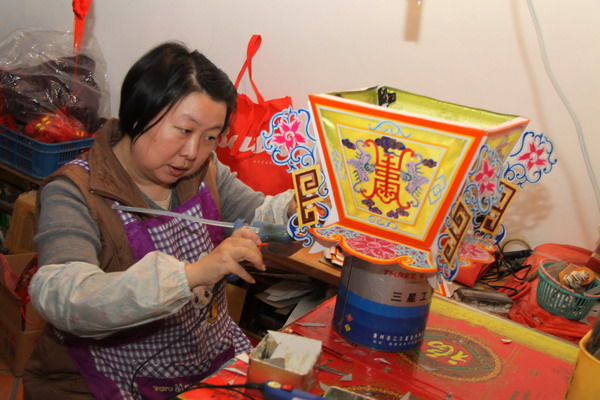 Li Chanjuan uses a glue stick as she makes a lantern. She is a city-level Quanzhou-style lantern inheritor. "Many things that are more excellent than our lanterns are extinct. Maybe we can't escape the laws of nature," Li says. [Photo/China Daily]
|
What is Lantern Festival?
The Lantern Festival falls on the 15th day of the first month of the Chinese lunar calendar, and officially ends Spring Festival. As the first night to see a full moon in the new year, it is celebrated as a look forward to a better life.
The festival originated in the Western Han Dynasty (206 BC-AD 24), and the tradition of lighting lanterns began in the Eastern Han Dynasty (AD 25-220) when the emperor ordered the imperial palace and temples lit up to worship Buddha on that night. Later, the ceremony developed into a grand nationwide folk festival.
Paper, silk and glass are used to make lanterns. Children go out carrying paper lanterns, and adults enjoy lantern fairs, eat yuanxiao (glue pudding) and solve riddles on lanterns, which contain messages of good fortune, family reunions and abundant harvest.
The festival still creates a virtual ocean of lanterns throughout China. With advances in technology, electric and neon lanterns are often seen beside their traditional counterparts.
China Daily
|
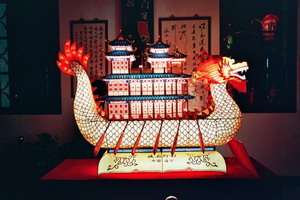 Xiashi-style lanterns (exist in Xiashi town of Haining, Zhejiang province)
|
|
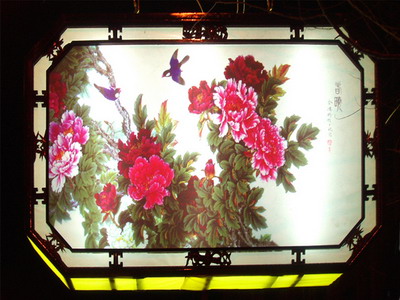 Huangyuan-style lanterns (exist in Huangyuan county, Qinghai province)
|
|
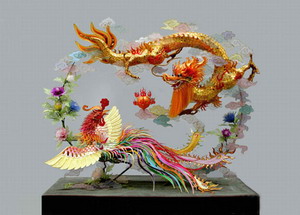 Shanghai-style lanterns (exist in Shanghai’s Luwan district)
|
|
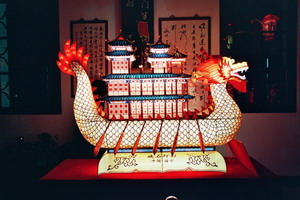 Xiashi-style lanterns (exist in Xiashi town of Haining, Zhejiang province)
|
|
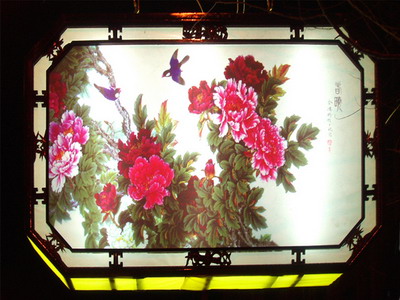 Huangyuan-style lanterns (exist in Huangyuan county, Qinghai province)
|
|
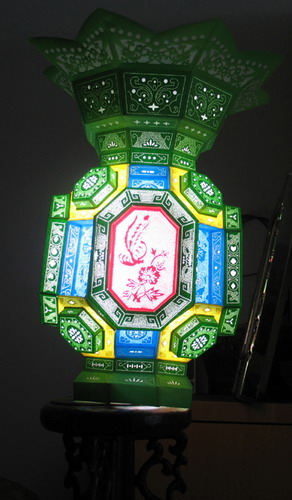 Xianju-style lanterns (exist in Xianju county, Zhejiang province)
|
|
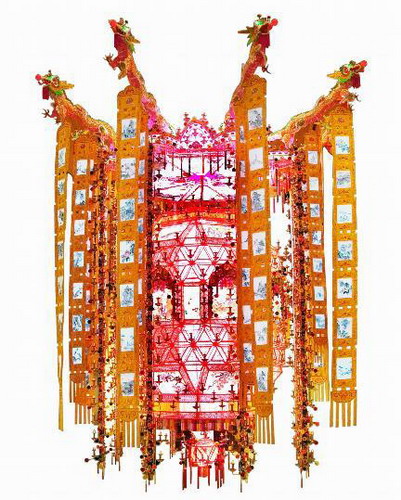 Dongguan-style lanterns (exist in Dongguan, Guangdong province)
|
|
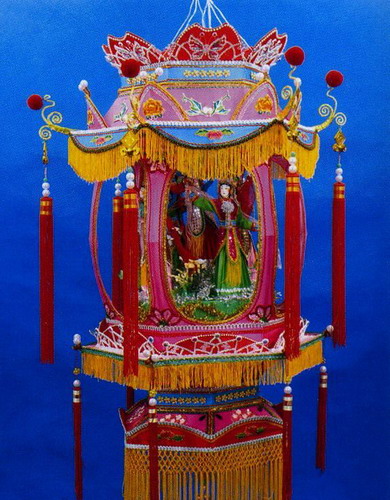 Chaozhou-style lanterns (exist in Xiangqiao district of Chaozhou, Guangdong province)
|
|
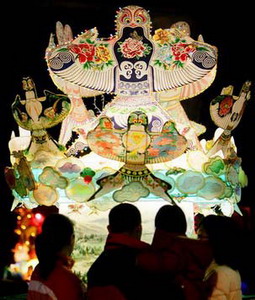 Qinhuai-style lanterns (exist in Jurong, Jiangsu province)
|
|
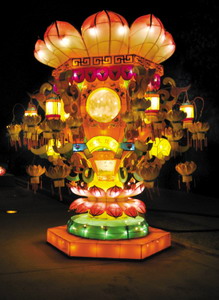 Foshan-style lanterns (exist in Foshan, Guangdong province)
|
|
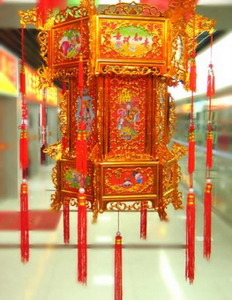 Quanzhou-style lanterns (exist in Quanzhou, Fujian province)
|
 主站蜘蛛池模板:
长泰县|
社旗县|
泰宁县|
房山区|
缙云县|
宁强县|
栖霞市|
宜兴市|
成安县|
敦煌市|
浦城县|
万源市|
合作市|
界首市|
咸丰县|
自治县|
嘉荫县|
通化县|
鹤岗市|
马龙县|
武冈市|
保靖县|
定远县|
临泽县|
北辰区|
洪泽县|
嘉义市|
孙吴县|
五家渠市|
永州市|
宜兰市|
彭泽县|
湖口县|
丹东市|
墨竹工卡县|
紫阳县|
黔江区|
大洼县|
同江市|
安康市|
阳山县|
南丰县|
临江市|
黔西县|
忻州市|
竹山县|
疏勒县|
长宁县|
色达县|
航空|
宁河县|
襄城县|
建德市|
鲁山县|
枝江市|
寿宁县|
镶黄旗|
巴塘县|
安徽省|
原平市|
合阳县|
兴化市|
溧阳市|
中江县|
家居|
中方县|
镇安县|
镇安县|
小金县|
海口市|
荆门市|
尤溪县|
上蔡县|
扎赉特旗|
深水埗区|
德州市|
锡林郭勒盟|
沿河|
西丰县|
娄底市|
皮山县|
肇州县|
主站蜘蛛池模板:
长泰县|
社旗县|
泰宁县|
房山区|
缙云县|
宁强县|
栖霞市|
宜兴市|
成安县|
敦煌市|
浦城县|
万源市|
合作市|
界首市|
咸丰县|
自治县|
嘉荫县|
通化县|
鹤岗市|
马龙县|
武冈市|
保靖县|
定远县|
临泽县|
北辰区|
洪泽县|
嘉义市|
孙吴县|
五家渠市|
永州市|
宜兰市|
彭泽县|
湖口县|
丹东市|
墨竹工卡县|
紫阳县|
黔江区|
大洼县|
同江市|
安康市|
阳山县|
南丰县|
临江市|
黔西县|
忻州市|
竹山县|
疏勒县|
长宁县|
色达县|
航空|
宁河县|
襄城县|
建德市|
鲁山县|
枝江市|
寿宁县|
镶黄旗|
巴塘县|
安徽省|
原平市|
合阳县|
兴化市|
溧阳市|
中江县|
家居|
中方县|
镇安县|
镇安县|
小金县|
海口市|
荆门市|
尤溪县|
上蔡县|
扎赉特旗|
深水埗区|
德州市|
锡林郭勒盟|
沿河|
西丰县|
娄底市|
皮山县|
肇州县|