Comments
  Print
Print  Mail
Mail  Large Medium Small
|
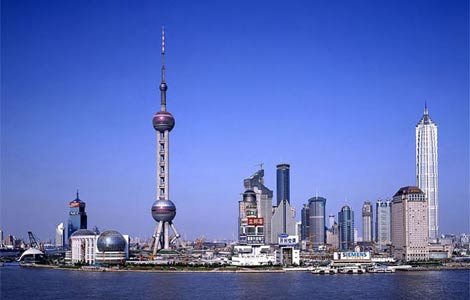
 Stephen Twining presenting Twinings Signature Blends in Shanghai |
Tea fills Stephen Twining's days. The 10th-generation heir to the London-based tea-maker Twinings has served as brand ambassador for 13 years, introducing the more salient points of tea culture to audiences across the world. Since 2006, Twining has been making regular visits to China.
China Daily spoke to Twining on the sidelines of his recent Shanghai presentation about tea appreciation and what his 307-year-old family business has in store for the world's largest tea producer and consumer.
Q: What do you like best about tea?
Stephen Twining: It only does you good. For one thing, it creates the right environment for people to sit down and talk, which is important considering how much time we spend on email, text messaging and Facebook. It is also a rich source of anti-oxidants. Anti-oxidants prevent the free radicals [molecules that cause ageing and tissue damage] we generate just by living from harming the cells in our bodies. Tea is not going to cure you of anything, but it helps to keep you healthy.
Q: How many cups of tea do you take per day?
Stephen Twining: Between 9 and 15 cups. Anything less than 9 is a completely unsatisfactory tea-drinking day. Of course, man does not live on tea alone. I enjoy a glass of wine with dinner - and a cup of tea afterwards.
Q: For coffee drinkers curious about tea, what do you recommend?
Stephen Twining: Assam, which is a black tea grown in Northeast India. It is one of the strongest teas in the world. The flavor is brisk and malty. A really great Assam has honeyed notes to it.
Q: You have warned against adding sugar to tea. How does sugar alter the flavor?
Stephen Twining: Tea is a very delicate drink, and when you add sugar, the first thing your taste buds pick up on is the sweetness. The taste is ruined. It is so uncouth - like drinking warm Champagne, which is unthinkable.
Q: What about milk then?
Stephen Twining: Adding milk to tea is a peculiar English custom. But if a little milk or lemon enhances the flavor for you, that's OK. Neither detracts from the character of a beautiful tea.
Q: Loose-leaf tea is the standard in China. Do you think tea is best enjoyed this way?
Stephen Twining: When I joined the company almost 28 years ago, I thought I had better impress my colleagues and I brought my teapot and loose-leaf tea to the office. Of course, it was a good pot of tea. My colleagues enjoyed it. But that isn't what they remembered. They remembered I emptied the tea leaves into the sink and clogged it. So I can recommend tea bags for the office for reasons of convenience.
If I have guests at my home, I like to serve loose-leaf tea, because it can be easily blended to accommodate different people's tastes. You can take as much or as little of several different teas to get the blend right.
Q: What are your favorite Chinese teas?
Stephen Twining: China has some of the best green teas in the world. Longjing season is coming up. I look forward to tasting this year's harvest. The white tea from Fujian is also fantastic.
Q: What does Twinings offer to Chinese tea drinkers that is unique?
Stephen Twinings: We offer them the teas that they can't find in their local tea shop. For example, a lovely Yunnan tea and a fine Assam blended together to create our Jubilee blend. I would quite happily drink the components separately, but when they come together, they are simply wonderful. With this blending process, we believe we are taking the tea experience to the next level.
Q: What is your sales strategy for your signature blends in China?
Stephen Twinings: We are not looking for mass sales. We want to provide these superb teas to our most discerning customers. They will be sold in limited quantities in special retail outlets in major Chinese cities like Shanghai, Beijing and Chengdu.
Q: Have you developed any specific products for the Chinese market?
Stephen Twining: We always have had the philosophy of acting locally. Our English breakfast tea sold here is a different blend than we have in England because it has been tailored to suit the Chinese palate. We have a range of teas popular here that are made with fruit and tea leaves together as well as herbal infusions which contain no tea leaves at all.
Q: How would you compare tea culture in China and Britain?
Stephen Twining: English tea is traditionally taken inside, since we rarely have the weather to enjoy it outside. In China, you often see groups of men tea drinking outside. In England, ladies have always driven tea culture. There are important similarities as well. We [China and Britain] both recognize tea as a social drink, as a healthy drink and for its taste.
There is also great interest in the English afternoon tea ceremony here. Some Chinese have experienced it during their travels, enjoyed it and want to learn more about how it is done. So if we can give them advice on how to host afternoon tea for their friends, we are delighted to help.

Copyright 1995 - . All rights reserved. The content (including but not limited to text, photo, multimedia information, etc) published in this site belongs to China Daily Information Co (CDIC). Without written authorization from CDIC, such content shall not be republished or used in any form. Note: Browsers with 1024*768 or higher resolution are suggested for this site.
License for publishing multimedia online 0108263 Registration Number: 20100000002731