BEIJING -- Statutory taxation was underlined by a draft revision to China's Legislation Law, submitted at the ongoing national legislative session Sunday.
The bill makes clear that a tax can only be levied or canceled through the law and the basic system of taxation can only be decided by the law.
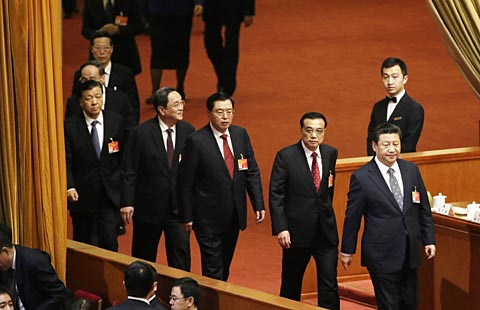
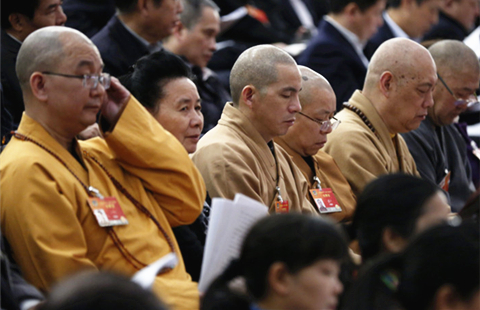
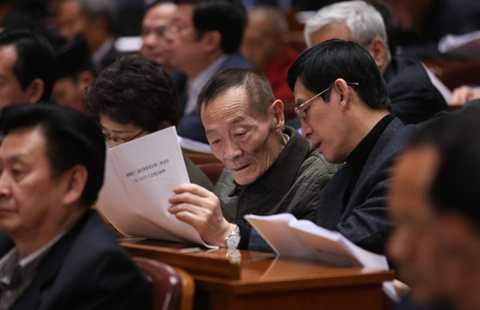
It is heard by about 3,000 deputies to the National People's Congress (NPC), a rare arrangement as most of the laws are read and adopted by the 171-member NPC Standing Committee at its bi-monthly sessions.
The current Legislation Law has already adopted the principle of statutory taxation but it is buried in a provision together with other matters that must be decided by the law, such as basic fiscal, tariff and financial systems.
The draft revision singled the principle out in one provision. It is considered an attempt by the national legislature to change the current taxation arrangement.
Of China's 18 existing taxes, only three -- individual income tax, corporate income tax, and vehicle and vessel tax -- are levied through legislation, while the others are imposed through formal or provisional regulations issued by the State Council.
Such an arrangement was laid because the NPC Standing Committee had authorized the State Council to levy taxes about business activities in 1985 when the country embarked on its sweeping reform and opening up.
As the circumstance changed, both the legislature and public have realized the pressing need to install the complete statutory taxation, said Liang Ying, a member of staff with the Legislative Affairs Commission of the NPC Standing Committee.
Fu Ying, spokeswoman for the third session of the 12th NPC, told a press conference on Wednesday that China aims to realize full statutory taxation by 2020.
Fu explained that statutory taxation means that what taxes to be levied, to whom the taxes are collected and tax rates will all be decided by laws enacted by the top legislature.
"In the next few years, I believe we will have legislations on all 18 taxes. Any new tax, such as real estate tax and environment tax that are being mulled, should also be imposed by the law," Liang said.
Explaining why the country needs the complete statutory taxation now, Liang said empowering the legislature to impose tax can ensure a more transparent process and an independent stance from any interest groups.
It also makes it more rigid to adjust the taxes, which will increase the sense of stability for citizens and businesses, he said.
Statutory taxation was listed in the overall reform blueprint adopted by the Communist Party of China (CPC) Central Committee at its key session in November 2013.
Related Stories
Copyright 1995 - 2015 . All rights reserved. The content (including but not limited to text, photo, multimedia information, etc) published in this site belongs to China Daily Information Co (CDIC). Without written authorization from CDIC, such content shall not be republished or used in any form. Note: Browsers with 1024*768 or higher resolution are suggested for this site.
License for publishing multimedia online 0108263 Registration Number: 130349