Class of '77 revels in memories of event that changed lives




The test of time
Major reforms to the gaokao and the college admission system since 1977.
1983
The Ministry of Education devised a policy to recruit students and send them to work in areas where they were needed. The policy was carried out to ensure areas and industries that were less attractive could also have well-educated workers.
1989
Colleges and universities introduced tuition fees of about 200 yuan ($30) a year on average. The average annual income for an urban dweller at the time was 1,376 yuan. Tuition fees have been increased several times since then, with students paying an average of 2,769 yuan a year by 1999, when the average annual income for an urban dweller was 5,854 yuan.
1999
The admission rate started to rise sharply after the Education Ministry released a plan to boost literacy in the 21st century. The ministry set a goal to increase the higher education gross enrollment ratio to 15 percent by 2010, which would mean that 15 in every 100 people ages 18 to 22 would attend college.
To realize the goal, since then, the university admission rate set by the ministry has not fallen below 50 percent, although people have blamed this for the difficulties some graduates face in landing a job after college. In 1999, the ratio was 10.5 percent. Last year, it reached 40 percent.
2000
Several provinces and cities, including Beijing and Shanghai, started holding a spring college entrance exam in addition to the one in summer to give students another opportunity to pass. Previously, the exam was held once a year. Over the next decade, more provinces and cities followed suit, although some canceled the spring exam after a few years.
2001
The Education Ministry removed its restrictions on age and marital status for registering for the gaokao. Previously, only unmarried people younger than 25 were allowed to take the test. The rule change saw older people-some age 80 and older-eagerly head for the exam halls.
2003
More than 20 prestigious universities, including Tsinghua and Peking universities, won approval to start independent recruitment, although the Education Ministry required that students admitted this way should not account for more than 5 percent of enrollment in any single year.
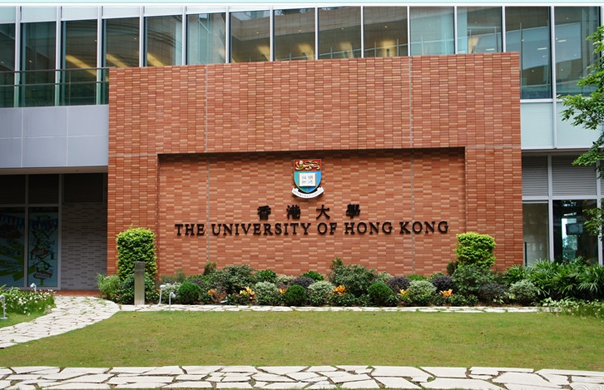
Higher education institutes in Hong Kong were also allowed to recruit students from the mainland, while the gaokao was moved from July to June, as the former is the hottest month for many parts of China.
2014
The State Council released a gaokao reform plan that stated only three subjects would be tested: Chinese, math and English. Other subjects, such as geography, history, biology, physics and chemistry, would instead be tested at high school, and students could take these exams twice, according to the plan. Previously, the gaokao covered six or more subjects. Pilot projects started in Shanghai and Zhejiang in 2014 and will be implemented nationwide.