|
Home>News Center>China | |
|
|
|
|
|
|
|
|
|
|
|||||||||||||||||||||||||||||||||||||||||||||||||||||||||||||||||||||||||||||||||||||||||||||||||||||||||||||||||||||||||||||||||
|
|
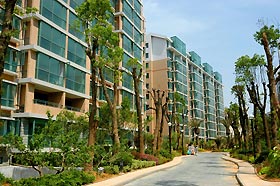
Draft offers legal help for property disputes Who owns the green space, roads and parking lots within a residential district? the real estate developer, apartment owners, or property maintenance providers?
These questions were addressed by a draft of a long-awaited property law, which was discussed by the Standing Committee of the National People's Congress (NPC) for the third time during the six-day session. The meeting closed on Friday. The draft of the property law is a development of a Constitutional amendment to protect private property. It defines protections of private property in a more detailed way. According to the draft, house owners own the green space, roads and property management house within the range of building. But government-constructed ones are excluded. The draft also prescribed that without an agreement in place, apartment owners own clubs and parking lots in residential areas unless the real estate developer and others can prove their ownership of such entities. As for parking areas, nearly all of the house owners in the country currently have to buy or rent them from real estate developers. "The major property issue in Beijing is the contradiction among house owners, property service providers and real estate developers," Zhu Xiangyuan, an NPC Standing Committee member said in panel discussion during the week-long meeting. "There are many conflicts among the three parties. The property law is urgently needed to help solve these property-related disputes," he said. To protect individual properties, the draft stressed private ownership in house relocations. House owners should be compensated according to national regulations if they needs to be relocated, the draft said. It is forbidden to change ownership of private properties in the name of relocation. Those who cause people to suffer private property losses through illegal relocations should shoulder civil, administrative and even criminal responsibilities, according to the draft. In discussions over the draft, rural residents" right to use residential land aroused debate. The NPC Law Committee advised in the draft that "Urban residents are forbidden to buy residential land in the countryside." The suggestion, which accords with a regulation by the State Council, is aimed to protect the interests of farmers and land used for cultivation. In China, each rural household is authorized only one piece of land to reside upon. According to the draft of the law, if a villager transfers usage rights of his or her own residential land to other villagers, he or she is unable to apply for any other land to build a house in the resident's village. However, Fu Zhihuan, an NPC Standing Committee member,4 pointed out that some urban citizens want to buy land in the countryside to build their own houses. "I wonder whether we should permit such behaviours," he said. Fu advised deleting the prohibition in this case. There is one stipulation in the draft that appears to go against a traditional Chinese virtue. It says the owner of lost belongings, say a bicycle, a wallet, or an umbrella, should pay necessary fees to the individual who picks it up or to relevant authorities that help to store it. But Chinese used to see it as a virtue not to ask for any payment after returning things they pick up to their owners. "T believe the stipulation goes against traditional virtues," Yang Guoliang, an NPC Standing Committee member said in discussion. "I advise not to lay down hard and fast rules in the law," he said. The draft of the law expands the range of properties used as collateral, including buildings, ships and even aircraft in construction, the draft states. Enterprises, individual businessmen and rural contractors can mortgage movable properties they own now and will own in the future, the draft said. Highway right-of-ways and electricity networks can also be placed under mortgage. The NPC Law Committee, the Supreme People's Court and the People's Bank of China have agreed to the change, according to Hu Kangsheng, vice-chairman of the committee. Aiming at identifying property ownership and protect properties of individuals and corporations, the property law is a key part of the civil code. Establishment of modern property law started from the civil code of Germany in 1896. China began to draft the property law in 1998. The NPC Standing Committee discussed the draft of the property law in 2002 for the first time and the second discussion was conducted last year.
|
|
|
|
|
||||||||||||||||||||||||||||||||||||||||||||||||||||||||||||||||||||||||||||||||||||||||||||||||||||||||||||||||||||||||||||||
|
|
|
|
|||||||||||||||||||||||||||||||||||||||||||||||||||||||||||||||||||||||||||||||||||||||||||||||||||||||||||||||||||||||||||||||||