


Argentina's reign as king of beef is over
|
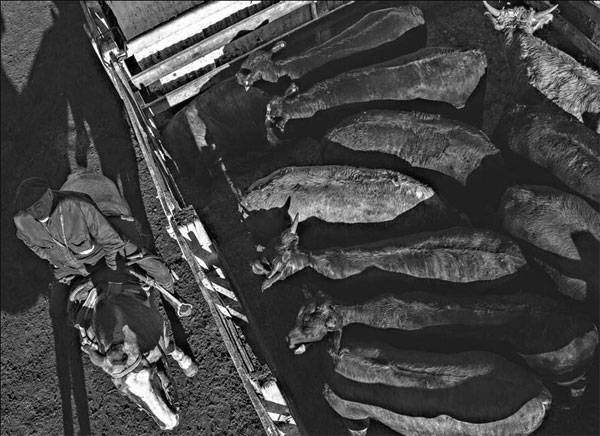
Beef consumption has fallen in Argentina as demand for other foods, like poultry and pizza, has risen. Mauricio Lima for The New York Times |
BUENOS AIRES - A thick slab of grass-fed sirloin dripping in its own juices: so many Argentines consider such a feast a birthright to be enjoyed regularly that one president in the 1990s quipped to an American magazine, "Tell your readers, 'Don't come to my country if they're vegetarian.'"
But tastes change, even here.
Beef consumption in this red-meat colossus has decreased so much over the decades that the nation recently fell from its perch as the world's top per capita consumer of beef, a title Argentine ranchers are fighting to regain from their tiny neighbor, Uruguay. In another jolt, a study warned that pizzerias could soon outnumber steakhouses in this city.
As if that were not enough to rattle the national psyche, Argentina slipped into 11th place, behind countries like New Zealand and Mexico, in the global ranking of beef exporters this year, prompting solemn reactions like one in a major newspaper that declared it "the end of a reign."
It is hard to overstate beef's centrality to the Argentine way of life for more than a century. Novels and poems extol the art of cattle ranching on the vast pampas, long a touchstone of national pride. Cafes in this city bulge with diners feasting on steaks washed down with glasses of malbec. At lunchtime, it is still possible to see construction crews preparing slabs of beef on makeshift grills, the smoky smell of this ritual permeating their work sites.
Argentines ate about 58.5 kilograms of beef a person last year. But Argentina's current level is a pale shadow of its peak: 100 kilograms of beef for every man, woman and child, achieved in 1956.
Reasons vary for these doldrums. Beef prices have surged with inflation, but cattlemen contend that government price controls aimed at preventing domestic beef consumption from falling further have wreaked havoc by making it costly to maintain large herds. Others, eying China's rising demand for grains over the last decade, say it is simply more profitable to farm soybeans than to raise cattle.
"We are witnessing a historic decline in our beef industry," said Ernesto Ambrosetti, chief economist of the Argentine Rural Society, the country's largest farming association.
Government officials contend that their policies to lift beef consumption, including export restraints, are turning the tide. Indeed, domestic consumption has recovered slightly from a record low in 2011.
But many Argentines are simply opting for a more varied diet. The shift is reflected in a rising demand for foods like poultry, pasta and pizza; a greater awareness of the health risks associated with eating beef; and even the emergence of an insurgent vegetarian dining scene in Buenos Aires.
"Beef consumption is threatened by modern trends of healthy eating, mainly the exaltation of what's natural and ecological, stimulating vegetable consumption," the Argentine Beef Promotion Institute warned in
a 2006 report.
"I almost don't eat meat now," said Susana Carfagna, a 61-year-old retiree, as she walked out of a butcher shop with some ground chicken. "It's not healthy. I have high cholesterol and need a more balanced diet."
At Buenos Aires Verde, a vegetarian restaurant, diners can choose from options like patties made from yamani rice and adzuki beans, or cannelloni made with dehydrated fruit and flax seeds.
"Argentines are demanding a change," said Mauro Massimino, 33, the owner of Buenos Aires Verde. "Around five years ago, vegetarianism started to gain traction here, and the growth since has been incredible."
But many Argentines are not taking the decline of their beef industry lying down.
Claudia Valenti, a nutritionist for the municipality of Buenos Aires, said people should eat beef, preferably lean cuts, every day.
"We are not herbivores," Ms. Valenti said. "Human beings never were, apart from at the very beginning of time."
Jonathan Gilbert contributed reporting.
The New York Times
















