中國網站品牌欄目(頻道)
GWEN OUTEN: I'm Gwen Outen.
DOUG JOHNSON: And I'm Doug Johnson with PEOPLE IN AMERICA in VOA Special English. Today we tell about Shirley Chisholm. She was an educator, activist and politician.
(MUSIC)
GWEN OUTEN: Shirley Chisholm is best known as the first black woman elected to United States Congress and the first black woman to run for president of the United States. However, her life was filled with much more than being the first black woman to do important things. She believed in being a person to fight for change. All her life, she worked to improve the lives of others.
(MUSIC)
DOUG JOHNSON: Shirley Anita Saint Hill was born in Brooklyn, New York in 1924. She was the oldest of four daughters. Her father was a factory worker from Guyana. He loved to read. Her mother was from the British West Indies island of Barbados. She made clothes and cleaned other people's houses.
Shirley's parents had very little money. They wanted their daughters to get a good education and to have a better life. When Shirley was three years old her parents sent her and her sisters to live with their grandmother in Barbados.
Shirley received a good education from the British school system. She enjoyed the years she lived with her grandmother. Her family in Barbados was a strong, organized group that believed in education. Shirley always remembered the words her grandmother spoke.
SHIRLEY CHISHOLM: "When I was reared in the British West Indies my grandmother used to always tell me, you may not be loved by certain forces in a society and you have to understand why. But always speak the truth."
GWEN OUTEN: In 1934 Shirley moved back to Brooklyn. She was ten years old. She continued to do very well in school. She later graduated from Brooklyn College with honors. In 1949, she married Conrad Chisholm who worked as a private investigator. Together they took part in local politics. Their marriage ended almost 30 years later.
As a young woman, Shirley decided to become a teacher. She believed she could improve society by helping children. She worked for seven years at a child care center in the Harlem area of New York City. She attended Columbia University at night and received an advanced degree in early childhood education in 1952. She became known as an expert in children and early education. From 1959 to 1964 Shirley Chisholm was an education official in the day care division of the city's office of child welfare.
(MUSIC)
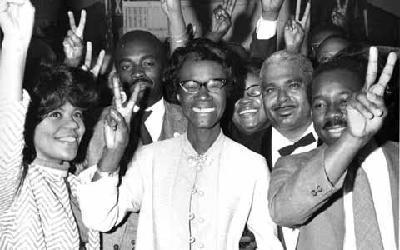
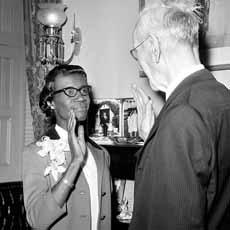
DOUG JOHNSON: In 1964 Shirley Chisholm's political career began. She was elected to the New York State Assembly. She served for four years. In 1968 she announced she would run for the United States Congress. She was elected from the newly created 12th District of New York City. She became the first black woman elected to Congress. She represented a poor area of Brooklyn called Bedford-Stuyvesant.
In Congress, Ms. Chisholm was assigned to the House Agriculture Committee. She protested this assignment. She felt it was not important to the poor people of the city that she represented. She was moved to the Veterans Affairs Committee. She later served on the Education and Labor Committee, the position she wanted. In 1977 she joined the important House Rules Committee.
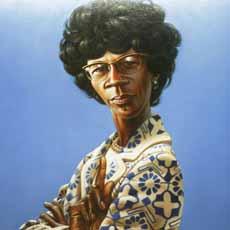
GWEN OUTEN: Shirley Chisholm was very different from other members of Congress. She looked different. Her hair was a big cloud of curls. She wore very large eyeglasses. And she had dark skin.
She also spoke differently. She had developed a minor Caribbean accent while living with her grandmother in Barbados.
Her voice was strong. She spoke with power. She said her greatest tool was her mouth. She was not afraid to say the things others would not say before Congress and the public.
SHIRLEY CHISHOLM: "But, my friends, I might be strong for some persons in this audience, but I believe in telling it like it is."
DOUG JOHNSON: Shirley Chisholm spoke strongly for the poor and for women. She worked for civil rights for African-Americans. She opposed the Vietnam War. In 1969 she helped form the Congressional Black Caucus. She also was a member of the National Organization for Women. Ms.Chisholm was an activist for people of color, including Native Americans and Spanish-speaking immigrants. She often spoke about cultural and social issues.
SHIRLEY CHISHOLM: "Increasing immigration to the United States suggests that we do face -- and we better own up to – we do face -- new social and cultural problems as these new Americans are integrated into our society. And because most of the new immigrants are people of color, cultural adjustments must be made by all groups in America if we are to learn to live together as one nation."
GWEN OUTEN: Ms. Chisholm wrote a book about her life in 1970 called "Unbought and Unbossed." She refused to be defined by party politics or racial comparisons. Sometimes this worked against her. In 1972, Shirley Chisholm announced that she would run for president of the United States. Many people thought it was a strange thing to do. Ms. Chisholm said during her life in politics she faced more discrimination as a woman than as a black person. Shirley Chisholm became the first woman and the first black person to carry out a presidential campaign within one of the major parties. When she announced her candidacy for the Democratic Party nomination for president this is what she said:
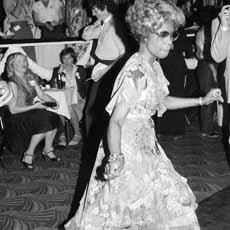
"I am not the candidate of black America, although I am black and proud. I am not the candidate of the women's movement of this country, although I am a woman and I am equally proud of that. I am not the candidate of any political bosses or special interests. I am the candidate of the people."
Ms. Chisholm did not win the Democratic primaries or the nomination. She said she did not run for president because she expected to win. She ran to make a point. In 1973 Shirley Chisholm wrote another book, "The Good Fight." In that book she told of her reasons for running for president even though she did not expect to win. She said: "The next time a woman runs, or a black, or a Jew or anyone from a group that the country is 'not ready' to elect to the highest office, I believe he or she will be taken seriously from the start."
(MUSIC)
DOUG JOHNSON: Shirley Chisholm left Congress in 1982 after 14 years. She said many voters did not understand her. She said her influence as a truthful, tough politician was decreasing in conservative times. Also, she wanted to spend more time with her second husband, Arthur Hardwick.
Ms. Chisholm went on to teach at Mount Holyoke College in South Hadley, Massachusetts. Years after leaving Congress, she continued to be invited to speak before many groups and organizations.
A reporter once asked Ms. Chisholm how she wanted to be remembered. She said she did not want to be remembered as the nation's first black congresswoman. She wanted to be remembered as a brave person, a person who created change.
GWEN OUTEN: Shirley Chisholm died January 1st, 2005. She suffered a series of strokes. She was 80 years old. Shirley Chisholm loved her country. She wanted to serve all America, not just African- Americans and women. Her work for the community of Bedford-Stuyvesant, the state of New York and the nation continues through the changes she helped make in American society.
SHIRLEY CHISHOLM: "America is a wonderful land. It's no question about it. That is why every group from across the waters tries to come to America. I am hopeful. Oh God am I hopeful that before I die that I will see that America will move toward a period of real enlightenment (not rhetorical enlightenment, real enlightenment), and that when we are finally faced with the choice of exclusion or inclusion we will choose inclusion because that's what America is supposed to be all about."
DOUG JOHNSON: This program was written and produced by Lawan Davis. I'm Barbara Klein.
GWEN OUTEN: And I'm Gwen Outen. Join us again next week for PEOPLE IN AMERICA in VOA Special English.
Harriet Tubman, 1820-1913: she fought slavery and oppression
'For Love of Liberty' recalls black heroes in US military
Remembering Lena Horne and a night at a science cafe
(來源:VOA 編輯:崔旭燕)
 |
 |
 |
 |
 |
 |


 主站蜘蛛池模板:
方山县|
体育|
故城县|
呼玛县|
杭锦旗|
富锦市|
营口市|
万源市|
荆门市|
左权县|
桂阳县|
中西区|
霍山县|
静宁县|
保定市|
平湖市|
黑山县|
新乡县|
雷州市|
涟水县|
镇雄县|
宜丰县|
民勤县|
栾川县|
林州市|
泽州县|
河南省|
凤翔县|
陇川县|
霍山县|
桐城市|
蓬安县|
任丘市|
凤凰县|
石阡县|
长乐市|
开封县|
双鸭山市|
绥滨县|
怀宁县|
南投县|
自治县|
宜章县|
武强县|
玉林市|
二连浩特市|
驻马店市|
丹巴县|
廉江市|
綦江县|
那曲县|
昭苏县|
洛川县|
两当县|
马尔康县|
吴忠市|
广汉市|
乡城县|
福安市|
栾城县|
东乡县|
贵阳市|
天津市|
绥滨县|
五莲县|
宾川县|
华坪县|
余姚市|
霞浦县|
大化|
色达县|
商洛市|
东阿县|
深泽县|
汉寿县|
威海市|
灵台县|
岱山县|
孟津县|
梁山县|
鹤峰县|
清涧县|
主站蜘蛛池模板:
方山县|
体育|
故城县|
呼玛县|
杭锦旗|
富锦市|
营口市|
万源市|
荆门市|
左权县|
桂阳县|
中西区|
霍山县|
静宁县|
保定市|
平湖市|
黑山县|
新乡县|
雷州市|
涟水县|
镇雄县|
宜丰县|
民勤县|
栾川县|
林州市|
泽州县|
河南省|
凤翔县|
陇川县|
霍山县|
桐城市|
蓬安县|
任丘市|
凤凰县|
石阡县|
长乐市|
开封县|
双鸭山市|
绥滨县|
怀宁县|
南投县|
自治县|
宜章县|
武强县|
玉林市|
二连浩特市|
驻马店市|
丹巴县|
廉江市|
綦江县|
那曲县|
昭苏县|
洛川县|
两当县|
马尔康县|
吴忠市|
广汉市|
乡城县|
福安市|
栾城县|
东乡县|
贵阳市|
天津市|
绥滨县|
五莲县|
宾川县|
华坪县|
余姚市|
霞浦县|
大化|
色达县|
商洛市|
东阿县|
深泽县|
汉寿县|
威海市|
灵台县|
岱山县|
孟津县|
梁山县|
鹤峰县|
清涧县|