Xinwu district to build a new culture town
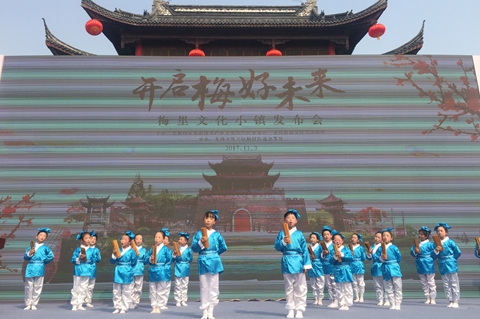
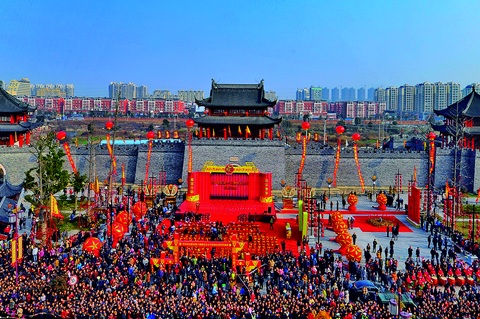
A launch ceremony for the Meili Culture Town project was held at the site of the proposed development on Meicun Street in Wuxi’s Xinwu district on Nov 3.
The new center is designed to shine a light on Wuxi’s more than 3,000-year history as a center of Wu culture, the culture of the region around the Yangtze River Delta.
Story of Tai Bo
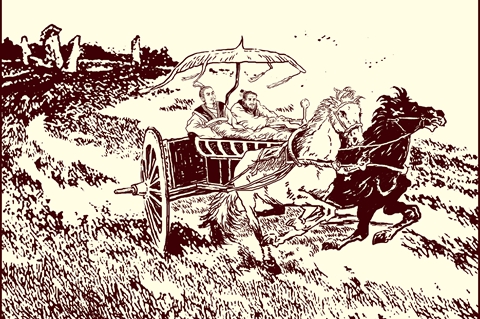
At the end of the 11th century BC, Prince Tai Bo and his brother Prince Zhong Yong, heirs to the throne of Zhou, traveled south from present-day Qishan Mountain in Shanxi province, to an area of wilderness until stumbling upon Meili, known as Meicun Town today.
Wu's history with Wuxi
Among thousands of surnames in China, Wu (吳) is especially related to Wuxi. Wu dates back over 3,000 years.
In the 12th century B.C., Tai Bo and Ji Chang, sons of the leader of a tribe called "Zhou" in the area of Shaanxi, moved to Meili ( the area of today's Meicun village, in east Wuxi ) to avoid fighting against their bigger brother for the throne.
Meili Town
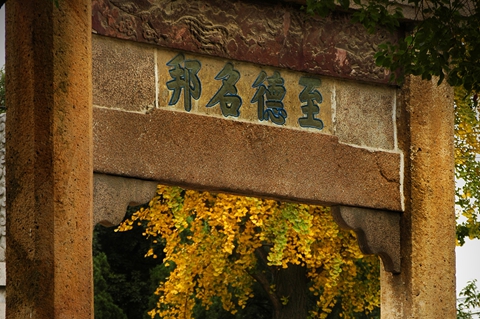
Influenced by the humility and pioneering spirit of Taibo, the river and lakeside areas gradually became a place embracing hierarchy and etiquettes. Confucius said Taibo represented the best ethics (Zhi De). So the Meili Town is also called "De Town".
Taibo Temple Fair
Every January 9 of the Chinese lunar calender, hundreds of thousands of Wuxi residents will go to the local Taibo Temple in Mei town to worship their ancestors and take part in some activities. The temple fair is one of the most influential events in the city and even in Jiangsu province.
Meicun, home of erhu
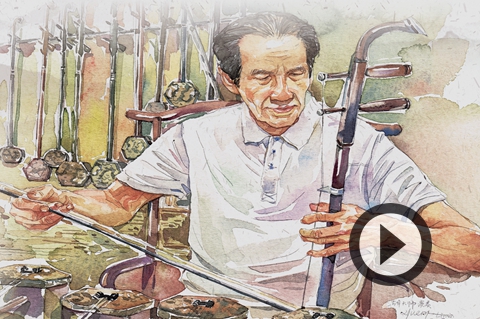
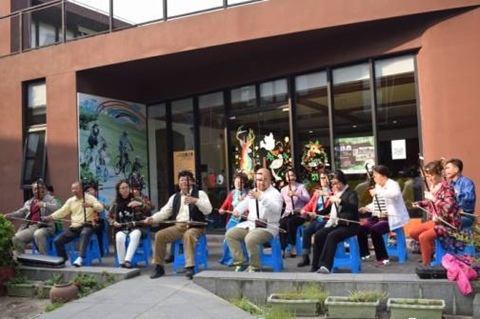
Erhu, one of the most representative traditional music instruments in the regions south of the Yangtze River, has a profound connection with Wuxi. Meicun town in Wuxi is the home of erhu.
Shanghai Pudong Airport hosts Meicun erhu exhibition
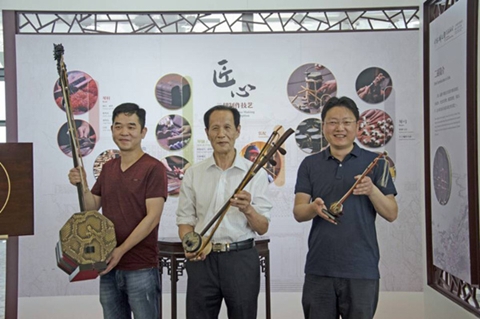
Meicun, a city within the jurisdiction of Wuxi, held an erhu performance on June 8 at Shanghai Pudong Airport to formally launch an exhibition being hosted by the international transit hub to promote the charms of the two-stringed bowed musical instrument to travelers.
Wuxi erhu makers strike right note in Shanghai
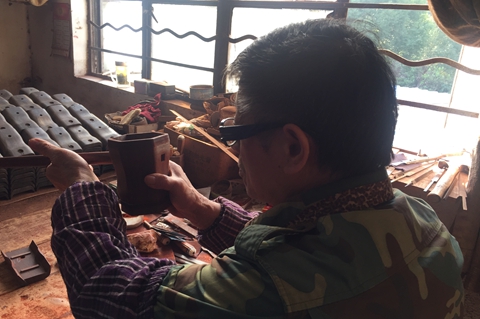
Wuxi's most famous erhu makers have decided to band together, and this harmonious approach is helping them win applause at the 2017 Music China fair in Shanghai.
Erhu lovers trace instrument's origins in Wuxi
More than 30 erhu players from Qingdao University for the Aged in Qingdao, Shandong province went on a trip to the southern Jiangsu province city of Wuxi to explore the cultural roots of the traditional Chinese two-stringed fiddle in early May.
San Rang Rice Ball
Taibo Temple is located near the entrance of the ancient town – Meili - the area of today's Meicun village. It is now the largest and best-preserved architectural complex of the Ming and Qing dynasties in Wuxi.
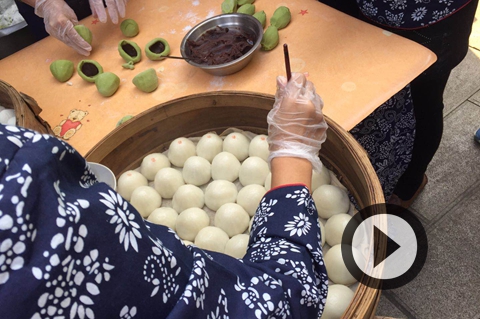
Meicun’s “San Rang rice ball” which has three different fillings – meat, red bean paste or sesame is to memory the story of “Taibo San Rang”.
Cai A’shui mutton
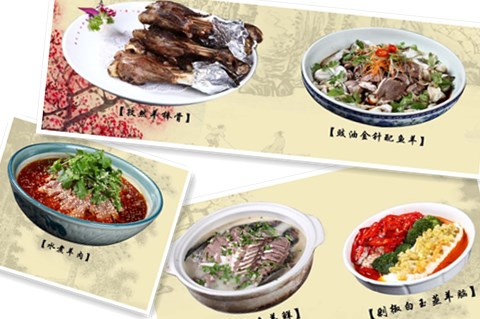
Cai A’shui mutton is well-known for being the oldest restaurant in Meicun, serving mutton in a variety of different ways. The restaurant dishes out all kinds of mutton, from soup served in the traditional way to the more modern mutton with cumin.
Little aunt’s sweet ferment rice
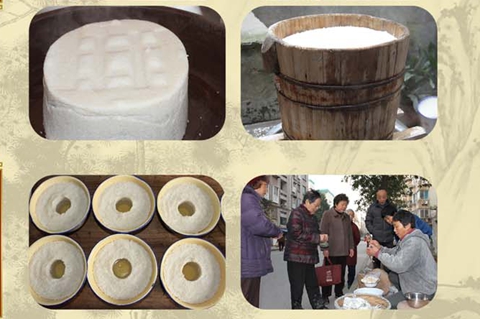
Dating back to the reform and opening up, handmade sweet fermented rice is considered the “pure” food of the area. Women from Jingxin village, Meicun, have for many years sold their sweet fermented rice on the streets of Wuxi.
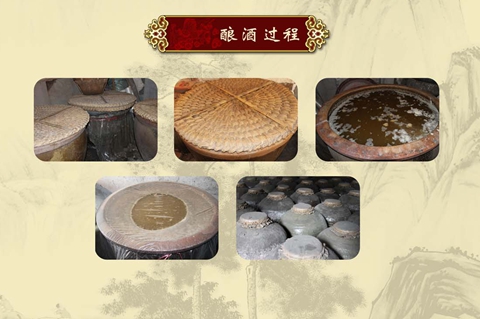
Qian’s Winemaking
Qian’s Winemaking method was invented by Qian Jianmin, who began brewing at the tender age of 15. He integrated traditional winemaking from the Yangtze River region and his own recipe to develop the Qian’s Winemaking, using glutinous rice as the main ingredient and natural yeast fermentation.