Financial integration is one of the five areas of cooperation priority for the China-proposed Belt and Road Initiative, but it seems this topic has not received the consideration it deserves. Rather, most analyses have focused on its ambitious infrastructure investment goals of the Belt and Road Initiative in the countries along the two routes, because big amounts of money easily grab attention. For instance, the Financial Times has suggested the "colossal undertaking" could cost tens of trillions of dollars to finance.
If we define financial integration as enhancing capital mobility across borders, can we find indications that the Belt and Road Initiative will pave a path in that direction?
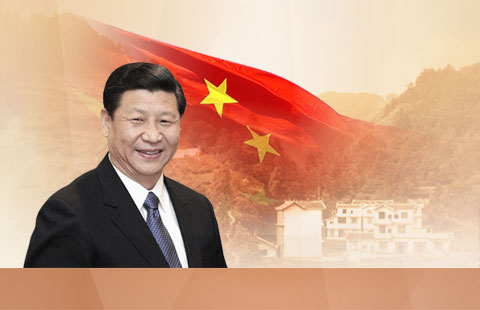
To help answer that question, three documents are especially useful. The first is the March 2015 "Vision and Actions on Jointly Building Silk Road Economic Belt and 21st Century Maritime Silk Road", which provides the initial framework for the concept proposed by President Xi Jinping in fall 2013. It states that "financial integration is an important underpinning for implementing the Belt and Road Initiative", and offers a long list of options in the financial space, including cross-border economic cooperation zones, bond market development, regulatory coordination, development of new institutions such as the Asian Infrastructure Investment Bank and the Silk Road Fund, and credit rating cooperation.
If implemented, these plans could result in a decrease of regulatory barriers to cross-border financial transactions, and increase in gross cross-border portfolio investment, gross foreign direct investment and cross-border banking activity. In other words, we would see signs of more money moving more freely along the Belt and Road.
The second document, the communiqu?? issued at Belt and Road Forum for International Cooperation in May this year includes "enhancing financial infrastructure connectivity", and "promoting openness and connectivity among financial markets including through cooperation on payment systems", which, if successful, will expand the areas where the Belt and Road Initiative can reduce barriers to financial integration.
And the "Guiding Principles on Financing the Development of the Belt and Road", also issued at the forum, calls for "the orderly opening-up of local and regional financial markets" and the "steady expansion of market access of banking, insurance and securities sectors", as well as strengthening cooperation in cross-border supervision, which could increase capital flows across borders.
The three documents may not be binding, but the Belt and Road Initiative is providing new opportunities and perhaps more importantly, new institutions (such as the Silk Road Fund) that could foster tangible movement toward financial integration among countries.
Perhaps the more immediate results will be seen in local and regional bond markets. For example, top Chinese banks are developing new products for domestic as well as overseas markets, including a standardized bond for use specifically in the region. And their activities linked specifically to the infrastructure investment could offer much-needed long-term investment vehicles for pension and insurance investors, and start to fill an important gap as a low-cost alternative to bank financing, especially as the projects move into operational phases.
Perhaps the momentum of the Belt and Road Initiative itself might be enough to create opportunities for new instruments, new market practices, and new market access that endure and stimulate the benefits that attribute to well-integrated financial markets. The Belt and Road could also be the routes along which the renminbi increases its weight as a global currency, or might help create pathways served by new financial infrastructure projects that operate in parallel to existing systems. After all, as Xi said at the May forum: "Finance is the lifeblood of modern economy. Only when the blood circulates smoothly can one grow."
The author is a PhD candidate at Paul H. Nitze School of Advanced International Studies.
Source: chinausfocus.com




Copyright 1995 - . All rights reserved. The content (including but not limited to text, photo, multimedia information, etc) published in this site belongs to China Daily Information Co (CDIC). Without written authorization from CDIC, such content shall not be republished or used in any form. Note: Browsers with 1024*768 or higher resolution are suggested for this site.
License for publishing multimedia online 0108263 Registration Number: 130349