China's globalization 2.0 version
Shanghai free trade zone heralds new strategy of reform and opening-up and goes with global economic trends
The China (Shanghai) Pilot Free Trade Zone, which was officially launched on Sept 29, is another strategic move in China's latest round of efforts to boost its process of opening-up through further reform.
Since China embarked on the voyage of reform and opening-up more than 30 years ago, every decade has witnessed a growth cycle. The 1980s saw all the key economic factors pay dividends. The second cycle, the 1990s, reaped dividends in system reform, and the third decade, the first of the 21st century, brought dividends from globalization.
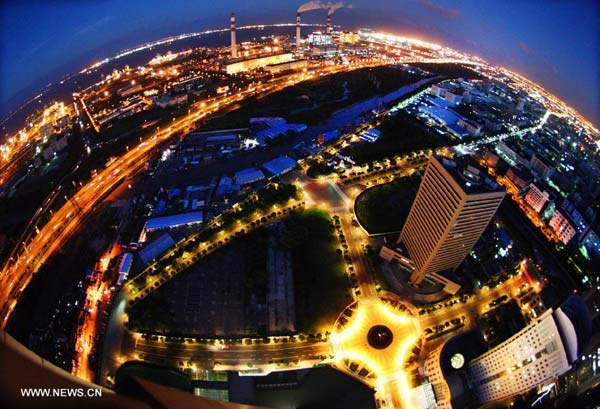
Photo taken on Sept 28, 2013 shows a general view of the Waigaoqiao Bonded Area (L) and the Waigaoqiao Bonded Logistics Park of the China (Shanghai) Pilot Free Trade Zone in Shanghai, east China. [Photo/Xinhua]
Today, a new reform and opening-up strategy symbolized by the Shanghai FTZ is beginning and promises another round of fresh dividends from economic growth, deeper reform and globalization.
Currently there are six types of special economic zones on the Chinese mainland, including bonded zones, bonded logistics zones and bonded port zones. The Shanghai FTZ is believed to be equal in strategic significance to the establishment of the Shenzhen Special Economic Zone in 1980 and the nation's accession to the World Trade Organization in 2001.
China is in the second round of reaping "dividends from globalization". Instead of depending heavily on the low cost of key economic factors in the international distribution of labor, the nation's economic upgrade will be driven mainly by a new global value chain with China's vast domestic market attracting high-value key economic assets, such as technology and overseas talent. And the Shanghai FTZ is tasked with making the plan work as a strategic testing ground.
The Shanghai FTZ's mission is expected to demonstrate how the national value chain should be constructed, to allow the country's processing trade sector to occupy a higher spot in the international distribution of labor. The Yangtze River Delta region is one of China's leading foreign trade bases. Because of its over-reliance on imports for parts and components, the country's processing trade operates with both the R&D and sales ends located overseas. The processing section of the value chain is thus left at home because it is too short to power the supporting industries as much as it should.