 |
|
CAI MENG/CHINA DAILY |
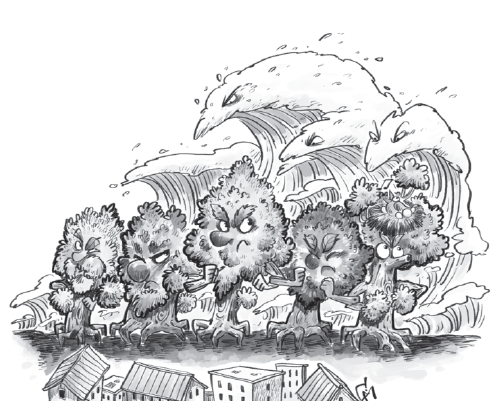
Recent storms in China affecting especially cities along the Yangtze River and even in the northern part of the country show current water engineering approaches are not offering enough protection from flooding disasters. It is both the failure of local flood defense systems and the lack of effective river-basin-wide management that amplify flood disasters.
Indeed, around the world, people have started realizing that cities need to reinvent themselves if they are to become resilient to the effects of climate change, including flooding and water shortages.
China has a long tradition of mastering water engineering, yet the systems and standards used today in the form of concrete walls and stone dykes along rivers, and drainage pipes under roads have been failing us all too often. Even if such walls and dykes are raised, or more systems like deep tunnels are built, this "gray infrastructure" may not be able to effectively protect urban areas. Climate change and climate variability will likely bring more severe storms.
What cities in China-and elsewhere-need is a "green infrastructure" approach, as well as partnerships on flood risk management covering entire river basins.
Green infrastructure utilizes the capacity of natural systems to manage storm water and reduce flooding. For example, intelligently planned and protected urban green spaces can retain large volumes of storm water that will otherwise flood roads and buildings. Such green spaces include protected or rehabilitated natural flood plains, natural flood channels, wetlands, lagoons and lakes. Parks along rivers that are designed to be at a low level relative to the normal water level, and with gentle slopes, will retain water rather than let it run off and cause damage. Depressed parks located strategically to receive floodwater, and green roofs also increase a city's storm water resilience.
And bioswales, small landscaped drainage channels, enable water retention, flow capacity and percolation into the ground.
Planned as systems this green infrastructure can significantly reduce the risk of floods and help cities manage water resources in a sustainable way, while making them more green and livable. These green spaces provide a variety of ecosystem services creating many other benefits, including recreational and community amenities for residents, improved urban microclimate, reduced pollution and better public health. The green open spaces are also a habitat for plant and animal biodiversity, while parks and riverfront greenery boost real estate values.
All this proves green infrastructure is a highly integrated win-win approach to reducing flood risk, especially when the opportunity of newly planned areas allow for integrated green infrastructure planning integration.
Gray infrastructure like flood walls and dykes installed in upstream cities may even amplify the damage further downstream as larger volumes of channeled water travel faster and generate far more dangerous flash flooding. However, well-planned and managed local physical interventions in the form of green infrastructure will not only reduce flooding in a city, they also tend to not worsen downstream impact.
Still, to effectively protect upstream and downstream territories, a more comprehensive and larger scale approach to reducing flood risk is needed.
In promoting ecological civilization, China recognizes the importance of both green infrastructure and the river-basin-wide approach. Currently a national "Sponge City" program is under way requiring cities to develop sponge city master plans and includes 16 pilot cities. Under this program, a whole city would absorb, harvest, store, filter, purify and slowly release rainwater into rivers and the ground like a sponge does.
Even with such programs, it is critical to act decisively and make sure these approaches will become the new norm and are applied widely and on a sufficient scale to effectively guard against flood and manage drought, making natural systems a part of the solution.
Green infrastructure, smart early warning systems and disaster response plans embedded within river basin-wide flood risk and integrated water resources management partnerships will make cities more resilient to climate change impacts.
The author is an urban development specialist at the Asian Development Bank.


Copyright 1995 - . All rights reserved. The content (including but not limited to text, photo, multimedia information, etc) published in this site belongs to China Daily Information Co (CDIC). Without written authorization from CDIC, such content shall not be republished or used in any form. Note: Browsers with 1024*768 or higher resolution are suggested for this site.
License for publishing multimedia online 0108263 Registration Number: 130349