Treat the mentally ill well for our own sake
 |
|
Zhao Yuanbing, a nurse at a mental hospital in Anshan city of Northeast China's Liaoning province, communicates with a new patient, May 9. [Photo/CFP] |
Incidents of mentally ill people attacking others have increased. A few days ago, an aggressive customer allegedly beheaded a noodle shop owner following an argument over the price of a bowl of noodle in Wuhan, Central China's Hubei province. And the tragic incident has once again raised public concern over how to cope with people with mental health problems.
Some countries have a mandatory screening system to segregate patients with mental health problems so that they do not harm other people or damage their properties. Other countries follow the principle of voluntary treatment, respect the individual wish of the mentally ill, and prevent other individuals and organizations from illegally curbing their freedom through identification or psychiatric treatment.
The Mental Health Law of China is based on the principle of voluntary treatment of people with mental illness, which means if the patients do not consider themselves mentally ill, they cannot be forced to receive treatment in any medical institution. Unless mentally ill patients' actions harm other people or public interest, public security organs or social organizations cannot send them to the hospital for treatment.
This provision is aimed at maximizing the protection of citizens' basic rights. But abiding by the principle of voluntary care alone to cope with mentally ill patients could raise social risks.
As some experts say, if some patients with mental health problems are not effectively controlled, they could turn violent anytime and hurt other people. Therefore, we should review our decision to strictly follow the principle of voluntary treatment of mentally ill patients. Since some psychiatrists cannot discern such patients' behaviors, and the patients are incapacitated or restricted in their ability to distinguish their behavioral decisions, a fully voluntary principle for their treatment is a logical contradiction.
But forcing such patients to receive treatment or segregating them from society would be tantamount to curbing their personal rights as citizens. It's another matter, though, that the voluntary principle has not helped fully eliminate the hidden dangers posed by the mentally ill.
Actually, some forms of psychoses are "social disorders". And many mental illnesses stem from the community and the family, so creating a healthy social environment will not only help to reduce the number of mentally ill patients, but also to eliminate the risk factors associated with them. If the necessary measures are taken to create a good social environment for such patients, the chances of sudden onset of mental illness will be greatly reduced, which is more important for public safety, maintaining social order, and even for the protection of mentally ill patients' rights and interests.
By treating the mentally ill with utmost care, we can help build a harmonious society. Since we cannot admit all the mentally ill people to the hospital or use coercive measures to identify them, we should give them the respect, care and medical attention they deserve, in order to prevent them from turning violent and harming others. Of course, for those who show obvious traits of mental illness, the public security officials, with the help of the patients' families and community residents, should identify them and send them to the hospital for the needed treatment.
There is no need to exaggerate the social harm caused by mentally ill people. Nor is it wise to cite an isolated case of violence to maintain a high degree of vigilance against mentally ill patients.
We should also be cautious not to identify all people who behave abnormally as mentally ill patients. Only by analyzing patients' cases in depth, having a tolerant attitude toward them, and building an inclusive environment can we prevent them from harming others. It is important to let people with mental health problems know they have a place in society, as mental illness is a disease, not a crime.
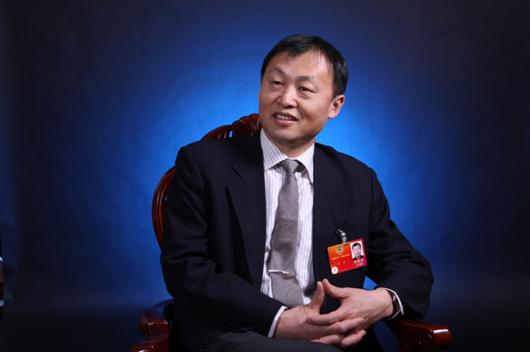
The author is a professor of law at Zhongnan University of Economics and Law.
- Noodle shop owner killed, beheaded over dispute
- Shooter had mental illness history
- Mental illness no handicap to Nanjing artists
- Early screening for mental illness by family doctors needed
- Frequent childhood nightmares linked to risk of mental illness
- Mental illness sufferers can get free medications
- School attack suspect's mental illness confirmed
- Hospitals urged to report mental illness cases