China knows the importance of pollution control
 |
|
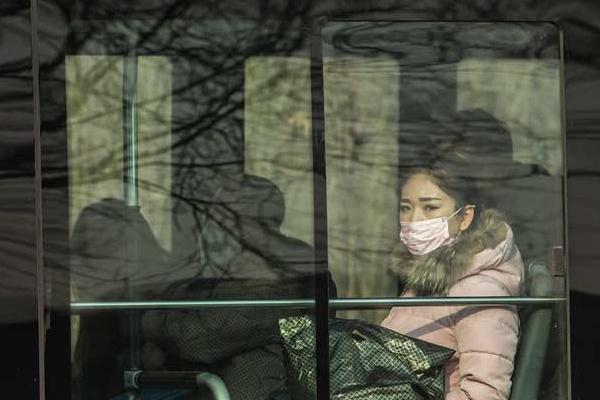
Commuters take a public bus in Beijing, Oct 18, 2016. The worst air pollution so far this winter began moving into Beijing on Dec 16 and is expected to last for over five days. The city issued its first red alert for air pollution on Dec 15 and emergency measures have been taken to tackle the smog. The severe smog blanketing northern regions covered more than 750,000 square kilometers by Saturday. [Photo/VCG] |
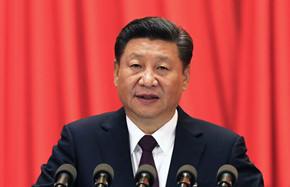
The landmark study by the United Kingdom-based medical journal said most of the pollution-related casualties occur in developing countries, which made me wonder what was General Secretary Xi Jinping's take on pollution when he addressed the opening of the 19th National Congress of the Communist Party of China on Oct 18.
To put it simply, Xi demonstrated a strong political will to reverse the damage caused to the air, water and soil in China while reaffirming China's commitment to doubling up on green development. Xi also vowed to carry out a "Healthy China" initiative, pledging more accessible and better medical and health service to help safeguard and improve the well-being of the people.
To me, Xi's call to build a "Healthy China" and his urge to intensify pollution-control efforts are intertwined. With pollution mitigated or prevented, China will stand healthier on all counts. Take air pollution for example. It is the fourth-highest risk factor for deaths across the world, and also the fourth-biggest threat to health in China, following dietary risks, high blood pressure and tobacco, according to the 2005-16 data from the Institute for Health Metrics and Evaluation at the University of Washington.
The exact number of people who died in China last year of pollution-related diseases, such as stroke and lung-cancer, is not yet available. Given the size of the country and the complexity of calculation, any such figure could only be an estimate and yet alarming.
But pollution is a winnable battle, as The Lancet Editor-in-Chief Richard Horton and Senior Executive Editor Pamela Das said on Friday. In the latest results of the Global Burden of Disease, for example, death rates from all causes of air pollution reportedly declined 23 percent between 2006 and last year, they said.
In China, the rates dropped by 19.5 percent between 2005 and last year, according to the Institute for Health Metrics and Evaluation data. This could be attributed to China's unrelenting efforts to close big industrial polluters and increase the penalties on those who breach environmental rules and regulations, which have become increasingly stringent in recent years.
The Lancet study also finds pollution-related deaths were linked to a 1.3 percent loss in national GDP in developing countries. That partly explains why Xi's remark-"Lucid waters and lush mountains are invaluable assets"-reiterated at the 19th Party Congress, has struck a chord with the people and is being championed by officials.
It is anticipated that what the general secretary of the CPC, the world's largest political party, said at the 19th Party Congress will be followed through by actions in every walk of life in China, as has been the practice following the previous congresses.
The actions should comprise a "holistic approach" to conserving mountains, rivers, forests, farmlands, lakes and grasslands, and include not only the funding and planning of specific sector policies, but also behavioral shift of businesses and citizens toward being more eco-friendly in their actions.
Pollution control will end up saving lives and making "Healthy China" a reality, sooner than later, and the Chinese leadership is committed to achieving that goal.
The author is deputy editor-in-chief of China Daily USA. huanxinzhao@chinadailyusa.com