Horses on high
Updated: 2012-10-28 08:23
By Alexis Hooi(China Daily)
|
|||||||


|
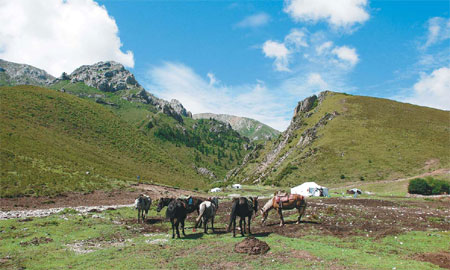
The Hequ horse is one of China's largest indigenous breeds and is prized for its riding, racing and drafting abilities. Photos by Wang Yuecun / China Daily |
|
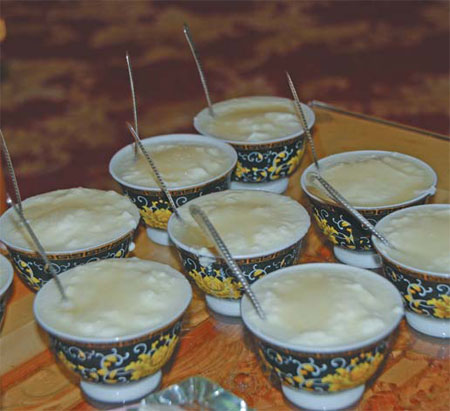
Tibetan treats and specialties come mainly in the form of dairy and meat products. |
|
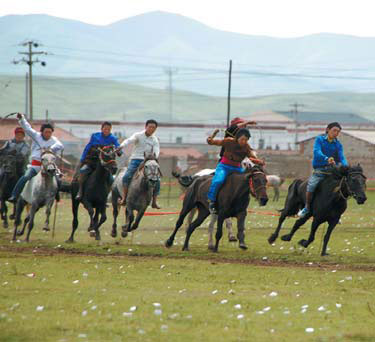
More than 600 horses take part in this year's annual horse race in Maqu. |
|
Maqu county's annual horse race attracted up to 200,000 spectators and participants this year. |
|
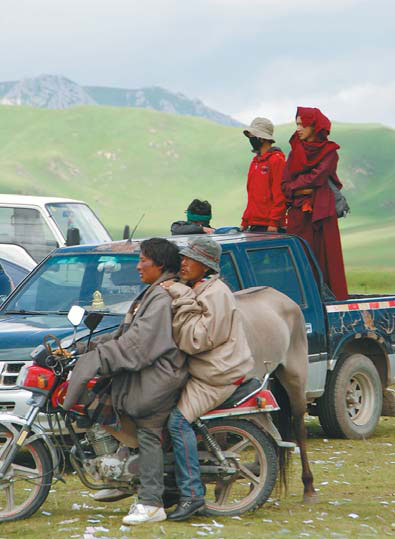
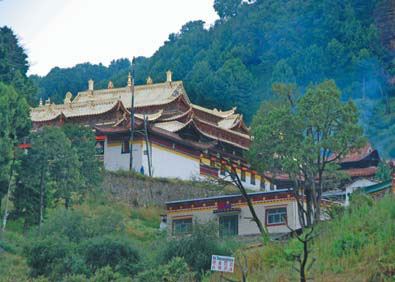
Langmusi monastery is about two hours' drive from Maqu. |
Bred on grasslands by the Yellow River, they are one of the largest of China's indigenous horses. Alexis Hooi rides the prized Hequ horse deep in the Tibetan highland area of Gansu province.
My heart beats faster as my breath gets shorter. The scenery around me whizzes past into a blur and adds to the dizziness. I am nearly 4,000 meters above sea level and suffering from a mild case of altitude sickness. But I am also on a high riding the legendary Hequ steed, one of China's few indigenous horses, through the expansive alpine grasslands of Maqu county, deep in the Gannan Tibet autonomous prefecture of Gansu province.
The Tibetan herdsmen laugh as I gallop through their flocks of sheep and yak. "Slow down and be careful of those marmot holes!" one of them shouts to me.
The herdsmen are justifiably proud of their horses and watch out for them constantly.
Their Hequ horses spring from the area that borders Qinghai, Gansu and Sichuan provinces near the "first major bend" of the mighty Yellow River.
At heights of more than 13 hands or 1.32 meters, the Hequ horse is one of China's largest indigenous breeds and is prized for its riding, racing and drafting abilities.
The Hequ ranks high among other native Chinese horses such as the Inner Mongolian breeds, Kazak mounts from the Xinjiang Uygur autonomous region and those from Yunnan province down south.
Sonam Dongtso, secretary of the Party committee of Nyima township under Maqu county, waxes lyrical about the Hequ's strengths and how they are part of the area's bounty.
"Tibetan culture and history is rich here and the Hequ horse is deeply embedded in our customs and practices. Our environment is very pure and that naturally gives rise to such a magnificent breed," he says.
Maqu recently held its sixth annual horse race at its Gesar Horse Racing Center, attracting up to 200,000 spectators and participants.
More than 600 horses from the region and beyond ran for prize money of more than 1 million yuan ($159,900). Riders and their mounts competed in events ranging from 1-km sprints to endurance races of up to 10 km in the five-day extravaganza.
"The horse race has become one of our major draws. It has been very successful and has attracted a lot of attention. It's also one of the best ways to showcase the Hequ horse and how proud we are of them," Sonam says.
But the annual derby in mid-August is not enough to satiate local equestrian interest - the county's open fields just outside the racing center, surrounded by equally verdant mountain ranges on the horizon, also play host to weekend summer races under clear blue skies.
Herdsmen enter their fastest horses, while visitors are also able to eat, drink and shop at a bazaar offering Tibetan treats and specialties like tsampa flour puddings and momo dumplings, as well as ethnic clothes, jewelry, saddlery and religious items.
For those who want to delve deeper into Tibetan culture and religion, there is the monastery of Langmusi, about two hours' drive from Maqu.
This idyllic village sits on the border of Sichuan and Gansu, amid lush prairies and snowy mountain peaks. Below the hills, Tibetan monks, residents and visitors stroll through Langmusi's winding streets and take turns spinning the rows of prayer wheels around the village to the rush of the White Dragon River.
Ngok Detsa, a herdsman who offers horse treks to travelers in the warmer months, says the village is getting more popular and crowded. But his horses, many of Hequ stock, will give visitors a chance to escape to the beautiful countryside just outside Langmusi.
"We have some of the best horses and scenery in the country. You have to ride and see for yourself," he says.
It is an offer too good to miss. As expected, his horses navigate effortlessly through the criss-crossing streams and rocky mountain paths. They break into a gallop just as easily when stretches of open grassland appear round the corner.
A few herdsmen like Ngok offer stays in their white, angular Tibetan tents on the grasslands where guests can try their hand at making the local cheese or yogurt from goat or yak milk, after an exhilarating day's ride.
Those looking for something more challenging can attempt to befriend the other trusted companion of the herders, the Tibetan mastiff, which are valued for their ferocity against livestock threats like wolves.
But it is still the horse that takes top spot in these parts.
"This is a beautiful place, but life high up here amid the mountains can also be harsh. Our horses are our transport. They help us herd and do a lot of the manual work. They entertain and race for us," Ngok says.
"They are our closest friends."
Contact the writer at alexishooi@chinadaily.com.cn.
(China Daily 10/28/2012 page16)