Wall Street faces fury over subprimes
Updated: 2008-02-19 12:59
BOSTON -- Regulators are trying to punish Wall Street for mortgage finance practices that expanded home ownership and spread risk among a host of new players -- but also may have duped borrowers and investors who supplied cash to fuel a housing boom that's turned bust.
|
|
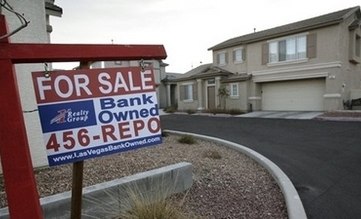
A handful of state securities regulators and a couple foreclosure-blighted cities have fired the opening shots with lawsuits trying to prove that investment banks and big lenders are guilty of more than just bad business decisions and failing to foresee looming mortgage troubles. Some regulators say greed and fraud underlie much of the subprime mortgage mess that has spread across the broader housing market, triggering a spike in foreclosures.
Aside from the civil cases, the FBI is looking at possible criminal action, focusing on what Wall Street firms knew about the risks of mortgage securities backed by subprime loans, and whether they hid risks from investors.
Observers don't expect the financial penalties that regulators extract in the civil cases to be massive. But the cases could turn up evidence that forces Wall Street to defend itself amid growing talk of government help to ease subprime-related financial strains on bond insurers. Revelations of bad behavior turned up by the government also could spur private investors to file even more lawsuits than the hundreds they've already brought to recover losses.


"If the government sponsors any kind of bailout with public funds, this may be coupled with an aggressive prosecutorial agenda in support of efforts to get private parties to kick in."
Although the foreclosure-blighted cities of Cleveland and Baltimore have sued seeking to recover damages from mortgage lenders, most of the cases filed so far are from regulators alleging violations of state securities laws.
Attorneys general in New York and Ohio are targeting alleged systematic inflation of home appraisals by major lenders and appraisal firms. Litigation in Massachusetts and other states seeks to demonstrate that investment banks failed to disclose risks to investors who bought mortgage-related securities and weren't up front about conflicts of interest across their far-flung financial operations, including trading of subprime investments.
"Over the years, the relationship between lender and borrower and a particular piece of property has been severed," said Massachusetts Secretary of State William Galvin. "It's clear that it's become a runaway train."
Gone are the days when most borrowers simply got loans from the neighborhood bank, which used to hold the bulk of mortgage risk. Now that risk is spread further — mortgages are bundled together and sold to investors. Behind the scenes, credit-rating agencies offer advice on whether the investments are secure.
Until recently, cash from Wall Street banks and investors extended growing amounts of credit to low- and middle-income Americans enticed to enter a market when home prices appeared headed nowhere but up.
Lenders wrote $625 billion in subprime mortgages in 2005, nearly four times the total in 2001. The boom brought in big fees to mortgage brokers, lenders, banks and ratings agencies.
But now that prices are dropping, those players are hurting. Global banks have ousted executives and have written off nearly $150 billion since mortgage securities began collapsing last summer.
Given the losses, "It's doubtful some of these entities will repeat their performance," Galvin said. "But I think there needs to be an understanding of how we got where we are, whether that is through regulatory action, or through Congress."
States have responded by tightening rules governing how lenders and brokers arrange mortgages and are compensated. But lawsuits and administrative complaints are the main tools regulators use to seek fines against companies accused of wrongdoing, or to set examples to deter bad behavior.


|
|
|
||
|
||
|
|
|
|