WORLD> America

|
WORLD> America
|
|
FDA finds salmonella strain in jalapeno pepper
(Agencies)
Updated: 2008-07-22 08:44 WASHINGTON -- US government inspectors finally have a big clue in the nationwide salmonella outbreak: They found the same bacteria strain on a single Mexican-grown jalapeno pepper handled in Texas -- and issued a stronger warning for consumers to avoid fresh jalapenos. But Monday's discovery, the equivalent of a fingerprint, doesn't solve the mystery: Authorities still don't know where the pepper became tainted -- on the farm, or in the McAllen, Texas, plant, or at some stop in between, such as a packing house.
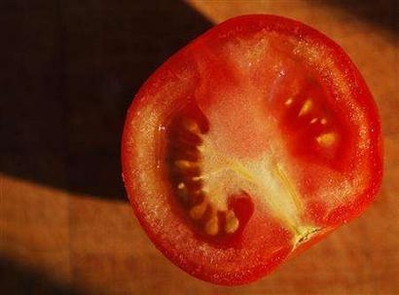
Nor are they saying the tainted pepper exonerates tomatoes sold earlier in the spring that consumers until last week had been told were the prime suspect. Still, "this genetic match is a very important break in the case," said Dr. David Acheson, the Food and Drug Administration's food safety chief. For now, the government is strengthening its earlier precaution against hot peppers to a full-blown warning that no one should eat fresh jalapenos -- or products such as fresh salsa made from them -- until it can better pinpoint where tainted ones may have sold. Tomatoes currently on the market, in contrast, now are considered safe to eat.
FDA said no other produce currently in the plant has tested positive for salmonella, and was continuing to probe where the produce came from and went. But a sign over Agricola Zaragoza's spot inside a huge produce warehouse on Monday displayed pictures of tomatoes, onions and tomatillos alongside jalapenos -- suggesting the small vendor might have handled both major suspects in the outbreak that has sickened 1,251 people. McAllen, Texas, near the Mexican border, is in a region deemed a major hub for both Texas-grown and imported produce. Although Agricola Zaragoza is a small operation, it's unclear whether inspectors have yet visited the company's neighboring vendors inside the huge warehouse filled with tractor-trailers loading and unloading fruits and vegetables. "I recognize there is a need to narrow this as soon as possible," Acheson added -- as parts of the country are entering prime hot pepper season. A person who answered the phone at Agricola Zaragoza declined comment. The pepper industry was bracing for an economic hit and urged FDA to quickly clear jalapenos grown in certain areas, like it earlier did with tomatoes. "That is a very broad brush to tar the industry with," said John McClung, president of the Texas Produce Association. Tomato producers have insisted their summertime staple couldn't be to blame, and are estimating that industry losses may reach $250 million. But health officials maintain they had good evidence linking certain raw tomatoes to the outbreak's early weeks in April and May, and that the jalapeno connection appeared only in June. "There may be more than one vehicle here," Dr. Robert Tauxe of the Centers for Disease Control and Prevention said Monday. "The tomato cases are not exonerated," Acheson added. The tainted pepper "is an important clue but the investigation is far from complete," said Caroline Smith DeWaal of the consumer advocacy Center for Science in the Public Interest, who described a maze of channels the FDA now must follow to determine where the contamination occurred. Among top questions: Did the farm, packing house and distributors all use clean water? What fertilizer was used, and when? Given this distributor's small size, who else distributed contaminated supply -- or could there have been cross contamination with other products? While health officials were cautiously excited at finally finding a firm clue, lawmakers decried the probe's slow pace. "The fact that it has taken over 14 weeks to identify the source of the contamination is simply unacceptable," said Rep. Diana DeGette, D-Colo., who is pushing for stronger requirements to help trace tainted produce. "Much like (the) tomato industry, the result is a blanket warning that will decimate the entire industry and further depress consumer confidence when only a tiny fraction of peppers may be contaminated." The outbreak isn't over yet, said Tauxe said. But the CDC said last week that it appeared to be slowing, and indeed has confirmed just 14 additional cases since then. The latest that someone fell ill was July 4. |
|||||