WORLD> America

|
WORLD> America
|
|
Big cuts seen for US big weapon programs
(Agencies)
Updated: 2009-04-07 07:51 WASHINGTON – The nation should stop pouring billions into futuristic, super-expensive F-22 jet fighters, pull the plug on new presidential helicopters and put the money into systems soldiers can use against actual foes, US Defense Secretary Robert Gates declared Monday.
Major overhaul plans laid out by the Obama administration's Pentagon chief would slash several giant weapons programs -- and thousands of civilian jobs that go with them. With recession unemployment rising, Congress may balk at many of the cuts in Gates' proposed $534 billion budget for the coming year. Still, despite all the talk of cuts, the total figure would rise from $513 billion for 2009, and Gates spoke of using money more wisely, not asking for less. Gates, a holdover from the Bush administration, said he is gearing Pentagon buying plans to the smaller, lower-tech battlefields the military is facing now and expects in coming years. He also said he hopes lawmakers will resist temptations to save outdated system that keep defense plants humming in their home districts. The Pentagon, he said, wants to move away from both outdated weapons systems conceived in the Cold War and futuristic programs aimed at super-sophisticated foes. Gates said he would expand spending on equipment that targets insurgents, such as $2 billion more on surveillance and reconnaissance equipment. That would include funding for 50 new Predator drones such as those that have rained down missiles on militants hiding along the Afghanistan-Pakistan border. "We must rebalance this department's programs in order to institutionalize and finance our capabilities to fight the wars we are in today and the scenarios we are most likely to face in the years ahead," he said.
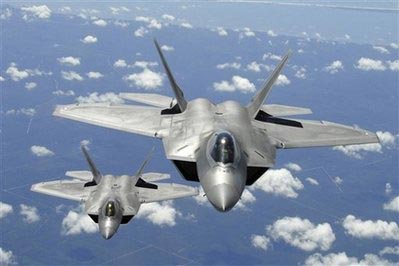
Major programs facing cuts include the F-22 Raptor, the military's most expensive fighter plane at $140 million apiece. An action movie come to life, sleek, fast and nearly invisible, the Raptor is ill-suited to deterring roadside bombs in Iraq or hunting insurgents who vanish into the Afghan mountains. Gates says the Pentagon won't continue the F-22 program beyond 187 planes already planned. Bethesda, Md.-based Lockheed, the nation's largest defense contractor, has said almost 95,000 jobs could be at stake. Gates also said no to a new fleet of Marine One presidential helicopters — with a price tag of $13 billion, more than double the original budget. He said new helicopters would be needed at some point but he wants time to figure out a better solution. A $160 billion Army system of combat vehicles, flying sensors and bomb-hunting robots would be reduced, too, as would plans to build a shield of missile interceptors to defend against attacks by rogue countries. The Navy would revamp plans to buy new destroyers. A new communications satellite would be scrapped, and a program for a new Air Force transport plane would be ended. Congress reacted cautiously.
Large defense contractors and their supporters on Capitol Hill scrambled to assess how the changes would affect them. Gates had demanded total secrecy during weeks of Pentagon discussions, even requiring senior military officers to swear in writing that they would not talk out of school. Rep. John Murtha, D-Pa., chairman of the House Appropriations Defense Subcommittee, called the proposals an important and overdue attempt to balance want and need at the Defense Department. "However, the committee will carefully review the department's recommendations in the context of current and future threats when we receive the detailed fiscal year 2010 budget request," Murtha said. Some programs would grow. Gates proposed speeding up production of the F-35 fighter jet. That program could end up costing $1 trillion to manufacture and maintain 2,443 planes. The military would buy more speedy ships that can operate close in to land. And more money would be spent outfitting special forces troops who can hunt down insurgents. The recommendations are the product of Gates' frustration at weapons systems that take on lives of their own, even when their missions are no longer relevant or costs balloon. The frustration extends to military services and defense contractors accustomed to measuring success by how big a piece of the budget pie they can claim. The Pentagon said it could not predict how much money Gates' proposals might save, if any. Gates read off a hit list of programs to be canceled or trimmed, but the Pentagon did not release details. |