Technology could transform care of city's expanding elderly population







Hong Kong is facing many issues and the ones affecting people's livelihoods most are not hard to identify - shortage of housing and a fast-aging population. The government's latest population projection suggested one in three people will be aged over 65 by 2066. The aging problem is aggravated by ever-declining fertility and a shrinking labor force. You don't need to be an expert to figure that out. In fact, a stroll through the hustle and bustle on any Hong Kong street will give you a fairly clear picture. It's very hard to overlook a cohort of gray-haired folk, who either stagger alone with a cane or are wheeled by their helpers; and you need not be surprised even to see some of them carrying backpacks and heading for work. Hong Kong is definitely not the only place facing such challenges. But it is, without any doubt, not the most proactive one, for sure, in terms of coping with the challenge.
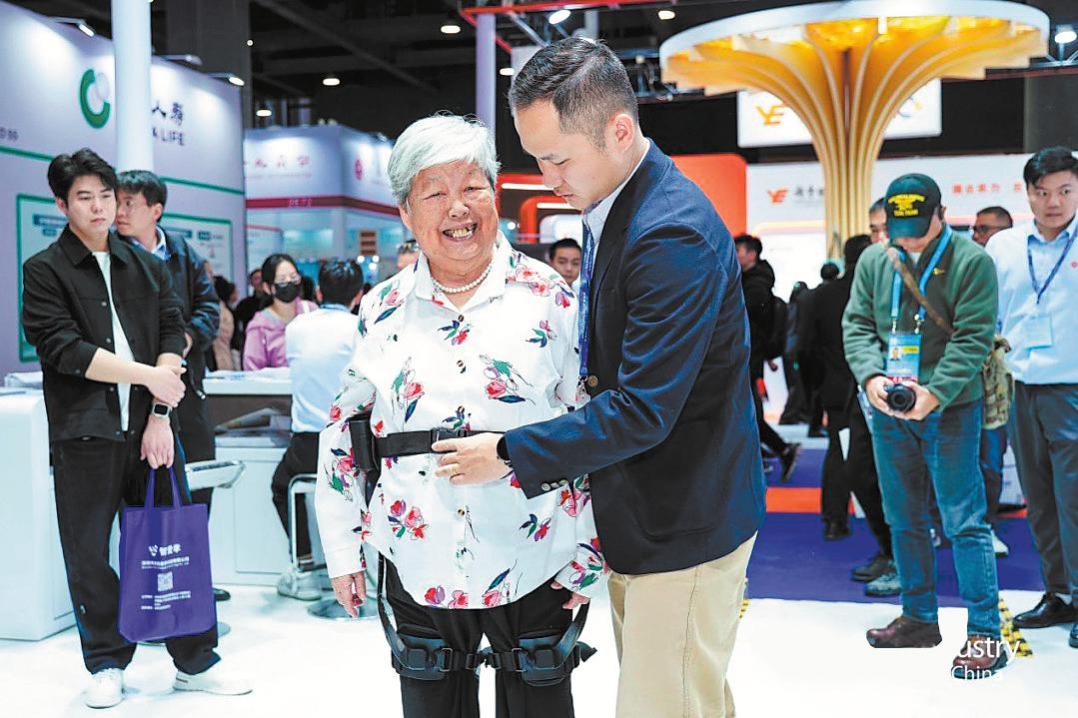
Whenever mankind suffered a crisis or achieved a great thing in human history, it was always technology that came to its aid. Yes, it is a bit of a truism that technology is going to change the future. But problems brought by an aging population, coupled with limited living space, a shrinking labor force and a tight labor import policy indeed call for measures to rekindle hope. We have a perfect example in our neighbors to learn from. Japan faces similar challenges and has pioneered technologies to mitigate the issues. Japan is considered a super-aged society, with more than 25 percent of its population aged over 65, a ratio higher than any other country's. Consequently, Japan has managed to develop its elderly care services into a fully fledged industry which has emerged as one of its newly found engines for economic growth. Signs of extensive use of technology in the country's senior-care industry include widespread deployment of "carebots" - robots that feature artificial intelligence capabilities such as voice recognition - to serve those who need nursing care or rehabilitation. Our economic arch-rival Singapore has also joined the ranks of countries that use AI to serve the elderly. And AI research and applications in the senior-care industry on the Chinese mainland are also booming.
Japan-made elderly care products are now sold globally as the world is awed by the Japanese thoughtfulness in developing various technologies that perfectly fit the needs of elderly care.

To tackle its labor shortage, the Japanese government has not only decided to raise its retirement age to 65, but also encourages its less-old citizen to keep working, especially in trades related to elderly care, such as at nursing homes. You will easily find people aged over 65 working in Japan's nursing homes, caring for those who are much older. All this is made possible with more high-tech being deployed in elderly care homes. Innovative technological support means elderly care workers no longer have to be strong and young.
The Hong Kong government has finally come to its senses and realized "aging in place" (or aging at home) can be a way out. But before that could be realized, it has earmarked HK$1 billion in funds for the city's nursing homes to buy cutting-edge technologies to upgrade themselves and improve efficiency. The government's initiative would surely bring a new breeze in the industry but still it needs to take a lead by starting to use high-tech facilities in the public nursing homes.
Some of the city's nursing homes already use state-of-the-art technology to increase efficiency. They use alarm systems to monitor the diapers of the bed-ridden elderly and increase the efficiency of their staff. Some also offer elderly shoes with tracking chips to locate their dementia-suffering residents. Taking a shower can also be tricky for the elderly; some homes have showering machines that let seniors sit in the middle, while sprinklers on both sides supply water.
But such facilities are still not common in the city. Nursing homes still send out a gloomy, smothering message. Whereas in Japan, nursing homes are more like hotels or a health resorts where staff are nice and rooms are clean and bright.
Hong Kong should follow the example of the rest of world in tackling the graying population proactively. Technology can not only relieve the workload of caretakers but also transform nursing homes. The old image of nursing homes should be thrown away as technology comes into play.
(HK Edition 11/06/2017 page10)



Today's Top News
- President Xi to deliver New Year's message to ring in 2026
- Xi's diplomacy in 2025: Shedding light on a world at crossroads
- China to apply lower import tariff rates to unleash market potential
- China proves to be active and reliable mediator
- Three-party talks help to restore peace
- Huangyan coral reefs healthy, says report