Planning today for tomorrow's cities








The movement of Chinese citizens from farms to cities over the past 30 years is the largest and fastest urbanization in the history of the world, by far. Getting this process right-planning cities over the next three decades that are productive, livable and environmentally friendly-is crucial.
Economists have found that people living in cities are generally more productive. The close interactions made possible by easy access to individuals, groups and ideas multiply the opportunities open to inventors, investors and entrepreneurs. These so-called agglomeration effects are a key part of continued economic growth.
Robert Guild, director of transport and communications for East Asia at the Asian Development Bank, said the ADB calculates large positive returns for infrastructure investments in China. "Agglomeration reduces the costs of interaction. It lowers costs throughout the supply chain. Plus, it allows people to generate ideas as they serendipitously come into contact with others."
City planners everywhere have to live with both the mistakes and the wise decisions of the past. For example, people who live in north Beijing can enjoy a great 9-kilometer linear park along the northern section of the Yuan Dynasty (1271-1368) walls. It's too bad that many parts of Beijing's ancient city walls were destroyed.
On the other hand, since 2000, China has invested in building the world's most extensive subway system. The lines are well-managed, on time and reliable. In most cities now it is easy to get around without a car. This is key for building much better cities in the future.
Entrepreneurial companies like Ofo, Mobike and others that have created China's bike-sharing systems have solved a crucial human logistics problem. These innovations multiply the effectiveness of a subway system by making it possible for almost everyone within the urban area to get to a station within 15 minutes of their home or workplace.
The world's most extensive high-speed rail system is almost complete, now linking key cities in most of the country.
China has done a lot of things right. There are no massive, dangerous slums like those seen in cities of other developing countries. Pollution has been bad, but coordinated national planning is making rapid improvements possible.
One danger from rapid urbanization is that the countryside could become less well off. Many countries around the world have exploited farmers to support their urban populations. That's the reason China's current emphasis on poverty reduction, entrepreneurship in rural areas and agricultural revitalization is so important. Cities are highly productive, but no country can have a healthy society unless its smaller cities and rural areas are also great places to live.
So what are the next logical steps?
The next big infrastructure investment will be into regional rail systems linking smaller cities to large core areas. This relieves pressure on the core areas and increases productivity on a national scale. Three huge integrated areas-the Beijing-Tianjin-Hebei area in the north, the Yangtze River Delta centered on Shanghai, and the Pearl River Delta including Guangzhou, Shenzhen and Hong Kong in the south-will be the largest megalopolises in the world. Getting the planning of these regions right is key to building ongoing sustainable growth.
In the Beijing-Tianjin-Hebei area, 1,100 kilometers of new regional rails are planned, making travel convenient throughout the region. The Xiongan New Area will be linked tightly with Beijing, allowing people to enjoy the benefits of agglomeration without the downside of living in a crowded and expensive core city.
The Xiongan New Area will serve as a test case for urban planning concepts moving forward. The best urban planners from around the world are being consulted to ensure the new city is as smart and green as possible.
"They want to use new urban planning principles including small roads and small districts, energy self-sufficiency, mixed-use areas balancing homes and jobs, multimodal transportation, said Liu Daizong, China transport program director at the World Resources Institute.
"They also have some ideas to focus on smart city technology and on integrating future innovation, such as driverless cars, and there are plans for 'complete streets' that make space for pedestrians, bikes and buses. The Xiongan New Area is very close to Lake Baiyangdian, so urban planners want to use sponge city technology to handle water runoff. They plan to have a 15-minute life cycle-meaning that residents can find everything they need for their daily lives within a 15-minute bike ride."
The investments of today will make China's cities of 2050 both productive and pleasant places to live.



- National Games vibe is everywhere in Guangzhou
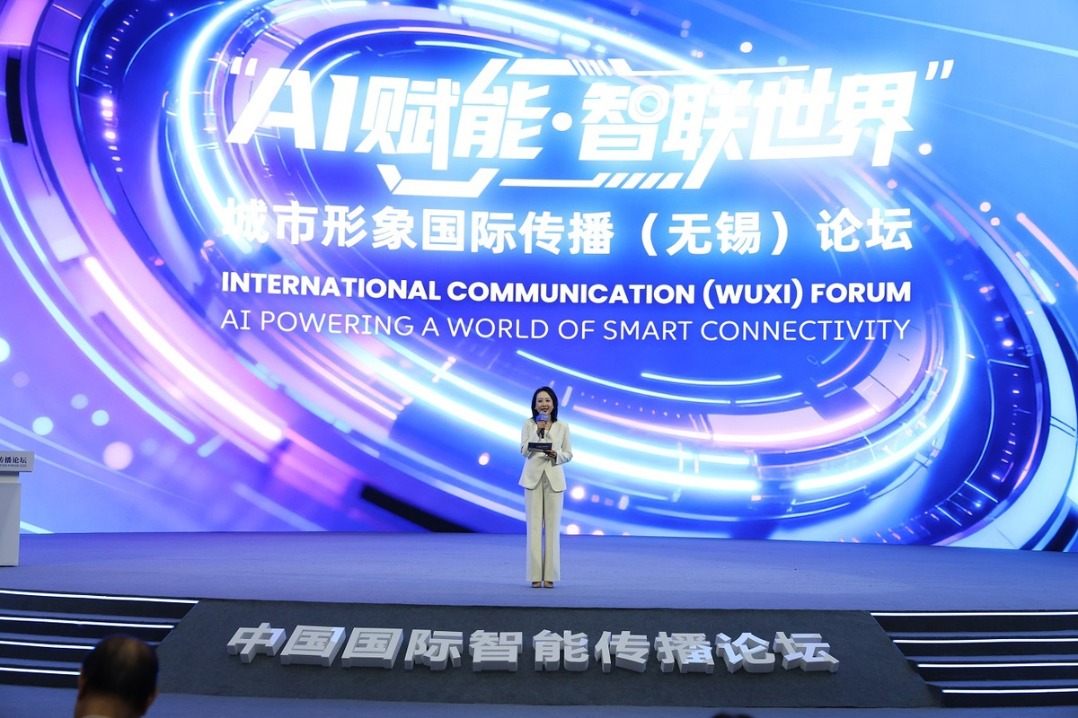
- Forum unites global experts to enhance city image communication
- Miao New Year celebrations get underway in Guizhou's Leishan county
- Mainland spokesman reiterates stand on Taiwan
- Fujian county's rural development becomes a big draw for Taiwan investors
- Nobel laureate in chemistry: Give young scientists more independence