Sino-Brazilian relations set to enhance further







Brazil and China established diplomatic relations in 1974, on August 15, a date that since this year also means the Day for Chinese Immigration to Brazil. The date has been officially circled on Brazilian federal calendar, showing the importance that Brazilian government attaches to its relation with China. This step is cultural and symbolic, but there is also a fruitful commercial cooperation that can be highlighted on the bilateral trade, not to mention other dimensions of a constructive friendship.
China is Brazil’s main trade partner since 2009. Last year, the trade balance accounted for more than $80 billion. The Latin American country is also attracting Chinese foreign direct investment, a figure that is growing since 2010. According to the national government, China has since 2007 invested more than $53 billion in Brazil in different sectors, from infrastructure to digital economy - including a ride-hailing app (99 was acquired by DiDi) and a fintech company (Tencent holds 5 percent of Numbak). State Grid, for example, has brought to Brazil its own technology for ultra-high voltage transmission line, with a capacity to transmit 800k/v of energy on a network that will total more than 4,000 kilometers by 2019.
In face of the recent elections of Jair Bolsonaro as Brazilian next president, there are discussions on what policies the newly elected government will adopt toward China. The expectation is that the government will attach importance to Sino-Brazilian relations and strive for better bilateral ties.
Meanwhile, Brazilian scholars, academics, journalists, lawyers, diplomats and other professionals who are familiar with China, under the Brazilian Studies on China Network (RBChina, its Portuguese acronym) are stressing the importance of Sino-Brazilian relations as a state policy, not a government policy. Experts who are familiar with Sino-Brazilian relations are unanimously supporting the improvement of this relation, aiming to develop more research about both countries and its ties. At a meeting in the week before Brazilian elections the group signed a document asking to improve those ties.
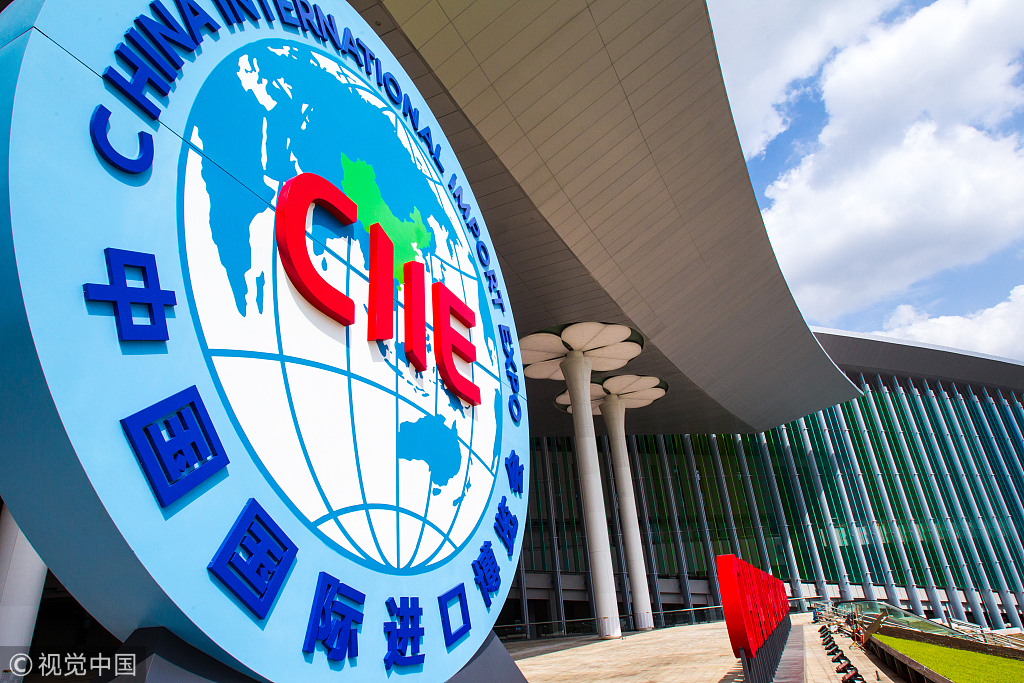
Brazil in recent years has been looking to improve its exports to China - not just on volume or price, but especially selling more value added products. Essentially, Brazilians exports to China are concentrated in soy, oil and iron ore. Those next days are crucial for this goal. Brazil is one of honored guests to China International Import Expo (CIIE), which is going to be held in Shanghai from November 5 to 10. As part of the effort of the government, the Brazilian Export Promotion Agency is bringing to China 80 companies - 60 percent of them on food and beverage sector. The most influential industrial association in Brazil, S?o Paulo State Industrial Federation, is leading a delegation of 70 companies, totaling 120 entrepreneurs. Many of them are looking to alternatives to enter in the Chinese market, exploring even the e-commerce channels that China is developing. It is just another example that there is a plan to strength the ties between Brazil and China even from the official side, but strongly from the private sector.
Next year, Brazil will also host the BRICS Summit, a presidential meeting that closes a year of intense ministerial discussions and also gives space to bilateral discussion among the participants. On the academy, on the R&D sector and even entrepreneurial area there are activities usually organized by the host country and its institutions. Brazil will also inaugurate its representative office to the New Development Bank (NDB), a bank that unites all the BRICS countries - Brazil, Russia, India, China and South Africa.
It is time to improve Sino-Brazilian businesses, exchanges, researches and political ties. The academic, economic, foreign trade and investment professionals and institutions are all paving this way.
Janaína Camara da Silveira holds a Master on Economy and is an expert on Sino-Brazilian relations working on analysis at Radar China.
The opinions expressed here are those of the writer and do not represent the views of China Daily and China Daily website.