Pioneering efforts to contain virus outbreak







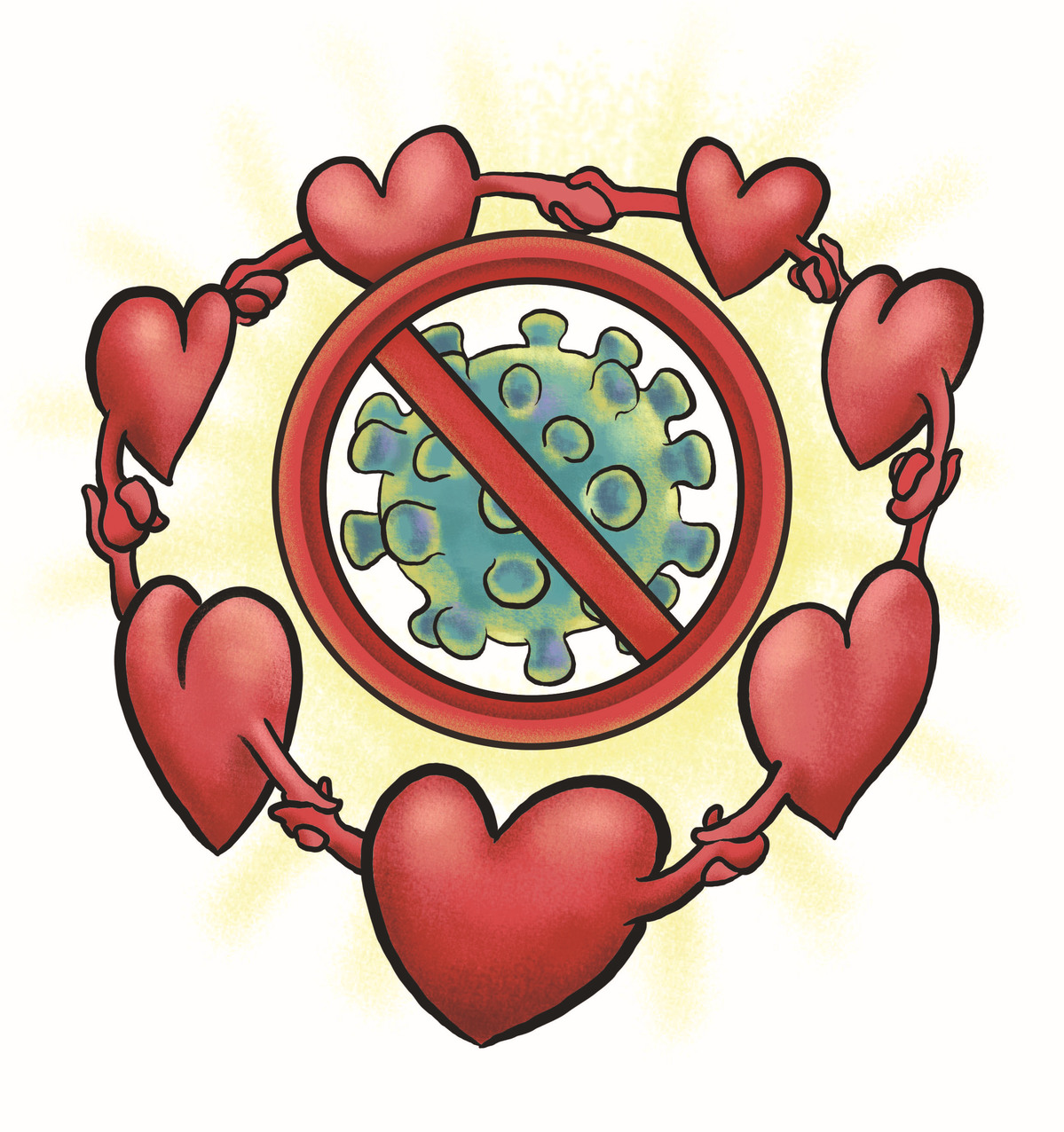
After the outbreak of a new coronavirus in China and evidence of rapid human-to-human transmission, the central government has urged people to stay at home, restricted travel and cancelled major public events. These moves have led to a big fall in the number of trips during this Lunar New Year, but probably saved lives.
China also extended the Lunar New Year holiday by three days to keep people at home to help curb the transmission of the virus, and extend several billion dollars to help contain the virus.
While the full effect of the outbreak on the Chinese economy is too early to assess, the probable impacts can be tentatively assessed.
Despite enhanced capabilities, new risks
Internationally, markets have responded to the virus outbreak with sharp but temporary reactions until the spread of the virus can be halted. Recently, analysts have been using the outbreak of the coronavirus responsible for the severe acute respiratory syndrome of 2002-03 as a guideline to these projections. But that's premature.
China's efforts to control SARS were criticized as the disease spread internationally before the outbreak was subdued. A decade later, China's response to the avian influenza (H7N9) outbreak was significantly faster, broadly praised and the disease did not spread widely.
In recent years, China has significantly strengthened its national and local systems to prevent and control diseases, and laboratory and hospital capacity have been significantly reinforced.
But the emergency management record is varied at the local level.
However, despite improved Chinese capabilities, and the Chinese authorities alerting outside bodies, including the World Health Organization, to the novel coronavirus relatively quickly, there are new risks, due to greater global integration.
In 2003, China's air, rail and road travel was only a fraction of what it is now and most Chinese lived in the countryside. Today, China has the world's largest logistical hubs and 60 percent of the population reside in densely populated cities. That's the reason the government has sought to insulate Wuhan, capital of Hubei province and other urban centers in its proximity, altogether 51 million people – which is comparable to the total population of South Korea.
The timing also differs. Unlike SARS, the current outbreak took place before the Chinese Lunar New Year, which is accompanied by the world's largest human migration. That's why the government took extraordinary measures to reduce the risk of accelerated spread, which may set a new norm for the struggle against epidemics in megacities.
Early human and economic costs
During the SARS outbreak, 8,100 people worldwide were infected, while 774 died, mainly in the Chinese mainland and the Hong Kong Special Administrative Region . It was determined a newly-infected person was likely to pass the SARS virus to about 2 to 5 people. With the new coronavirus, there are currently more than 9,000 confirmed cases in China, while more than 200 people died. According to early research, the number of people that a newly-infected person was likely to pass the virus to is between 2 to 3. Despite similar transmissibility, so far the mortality rate of the new coronavirus seems to be less fatal; one-fourth that of SARS but infection rates will increase through the escalation phase.
However, health authorities suggest that symptoms may not show during the two to 14-day incubation period for the new coronavirus, which would undermine traditional containment practices. That means that there may be worse economic damage to come as the Chinese authorities have suggested.
The current outbreak has already hit transportation, tourism and travel, restaurants and retail, which will impair near-term consumption data, while harming stocks most exposed to consumer markets. Globally, the damage was first felt in commodities, which react fast to outbreaks, until global health experts called for calm and reason.
What analysts are now monitoring is the milestone when the number of new infections begins to decelerate because that tends to signal the turning point for sentiment as well. But that may still be some way ahead.
Impact on economic growth
Before the outbreak, China was moving toward a mild recovery. Despite the trade war with the United States, GDP growth amounted to 6.1 percent in 2019. Given progressive deceleration, which is normal after intensive industrialization, China was expected to grow by 5.8 to 6.2 percent in 2020.
After the outbreak, three possible scenarios prevail. In the SARS-like impact scenario, a sharp quarterly effect – down to or below 5 percent – would be followed by a rebound in short order. The broader impact would be relatively low and regional.
In the accelerated impact scenario, the adverse impact would be significantly steeper in terms of growth, and a rebound would only follow later. The broader impact would prove more significant and affect global prospects.
In the disruptive impact scenario, the adverse impacts are harder to assess. The new strain occurred at the worst time, before the Spring Festival travel rush, and in the worst place, a huge regional transport hub, which was expected to record 7.8 percent growth in 2020.
Compounding the difficulty in assessing the economic impacts of the outbreak, coincidentally — or not, the timing of the two outbreaks has led some to suggest a sinister hand is at work — African swine fever, which appeared during the trade war with the US, decimated half of China's pigs, doubling pork prices.
For now, the central government is focused on containing the outbreak of the novel coronavirus. But over time, it is likely to further strengthen the national and local systems to monitor public health events, improve the emergency management in megacities, and make greater efforts to protect China against potential bio-threats that have destabilizing potential.
The author is the founder of Difference Group who has served at the India, China and America Institute (USA), Shanghai Institutes for International Studies (China) and the EU Center (Singapore)