Pay gap is shrinking for women







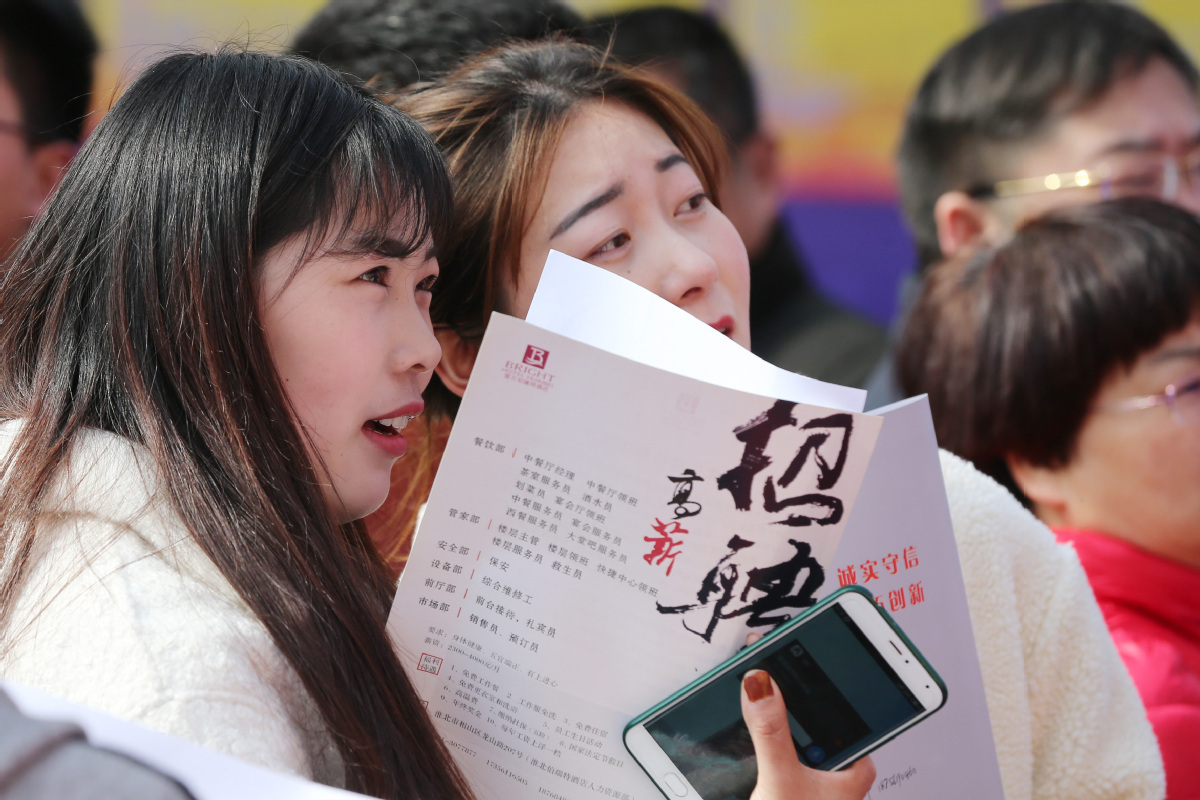
The active engagement of women in some sectors-the fight against the novel coronavirus pneumonia, for example-has defined their power. However, women are still unequal in terms of salary and rights regarding childbirth, according to the latest reports on employment.
The gender pay gap has long been a problem, not only in China but around the world. However, there are indications that the gap is narrowing thanks to the increasing number of well-educated and well-paid women.
A report by Boss Zhipin, an online recruitment platform headquartered in Beijing, found that for the first time, the gender pay gap shrank over the past three years in urban areas, though women still earn 81.6 percent of what male workers are paid.
Zhaopin, another online recruitment company in Beijing, said in a newly released report that the average monthly salary for women was 17 percent lower than for men in early 2020-narrowing from 23 percent the previous year, though it will continue to be a universal phenomenon.
Female workers are in a predicament in the workplace as they lack leadership in higher-level management and obsess over the imbalance between work and family.
According to the report by Zhaopin, about 9 percent of men take positions as managers, while only 5 percent of women do.
The main reason for the limitations on female workers' earnings is the potential for pregnancy.
"When we interview a young lady, the most common questions will be 'Are you married? When will you plan to have a baby'?" said Lin Jing, who works in a company's human resources department in Beijing.
"It's pretty annoying to some job seekers because it's offensive to their privacy. But that's the reality," she said. "We have to take these situations into consideration as part of labor costs."
The report by Zhaopin also points out that gender discrimination is the most severe challenge women face in employment.
Nearly 60 percent of surveyed females said they were asked their marital status in interviews, and 27 percent were refused positions because of their gender. Further, 6.4 percent of them said they had their positions changed or their pay reduced because they got pregnant.
Zhu Ping, a 30-year-old architect from Shanghai, said that she has persuaded her husband to postpone their plans to have a baby because she is being assessed for a promotion.
"If I get through the company's assessment, I'll be promoted and my salary will be correspondingly increased," she said. "I won't let anything that will distract me happen during this period."
The stereotype that giving birth is always a burden to women also leads to unfair treatment of female workers.
According to Zhaopin's report, about 62 percent of surveyed women with babies said that they want promotions, which indicates that they won't let themselves lose employment value due to marriage or babies. However, over 46 percent of men with children said they believe their wives should sacrifice for their families by quitting jobs.
Different from the perception of men who face barriers to promotion-which they usually ascribe to external elements such as a bad decision by their bosses or their lack of personal relationships-female workers find reasons within themselves, such as being distracted at work because of marriage or babies.
Li Qiang, vice-president of Zhaopin, said that to improve the working environment for female workers, the government can share the burdens-economic and psychological-with the companies, and companies can organize caring associations for women, especially those who are pregnant, to help them better concentrate on work.
He added that emotional intelligence is becoming more important in work, which offers women who usually perform better in communication more opportunities to take steps forward.





- Thousands of tundra swans grace Hunan's Donggu Lake for the winter
- Xinjiang heats up, halts traffic amid strong cold snap
- Photo of Qinglong Mountain egg fossil featured in top chemistry publication for groundbreaking dating research
- Three killed in North China building fire
- China sees jump in number of students returning from overseas in 2024
- Supply and marketing fair held in Lhasa