Beijing to ban hunting, eating wildlife







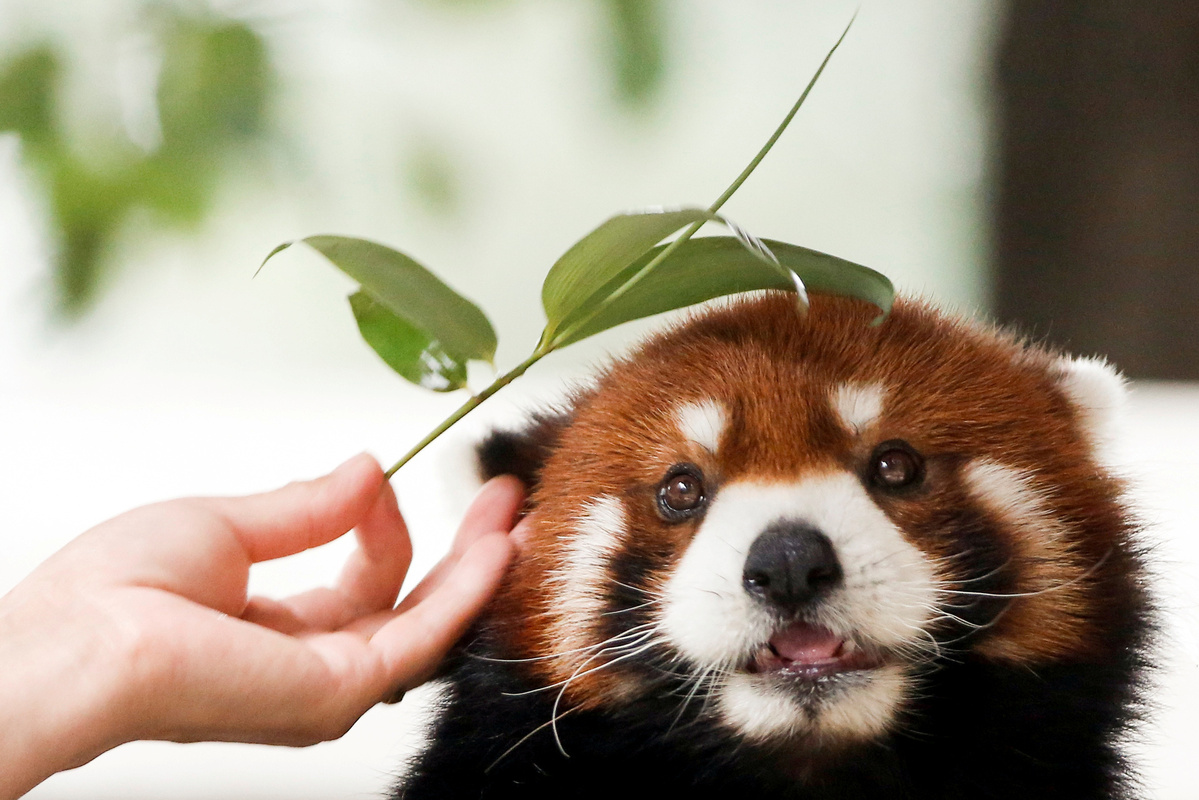
Strict regulations are being rolled out to prohibit the hunting and consumption of wild animals in Beijing. The draft regulations were submitted to the city's legislature for first review on Thursday.
The Standing Committee of the Beijing People's Congress accelerated the legislative process, discussing the regulations two months earlier than originally scheduled. It was prompted by the COVID-19 outbreak, for which wild animals are widely believed to be the source.
The draft regulations ban the consumption of all terrestrial wildlife and certain aquatic wild animals that are on the Beijing wildlife conservation list. They also forbid trading in markets.
Li Fuying, director of the Beijing Justice Bureau, said it is very urgent to formulate and enact the capital's wildlife protection management regulation.
"Especially since the outbreak of the novel coronavirus, the trading and consumption of wild animals has attracted public attention and is a great safety concern for public health," she said.
"Research in public health showed that over 70 percent of emerging infectious diseases originate from animals," said Jin Shudong, chairman of the Rural Affairs Commission under the Beijing congress. "Even though the source of the epidemic outbreak hasn't been confirmed yet, the potential risks wild animals pose still threaten human's safety and health, without any doubt."
Beijing has 117 sites where wild animals are raised, including five zoos, 31 small exhibition parks, eight laboratories and rescue institutions with 73 farms, according to local authorities.
A survey conducted by the city's gardening and greening bureau earlier indicated that the capital has approved 325 departments and individual owners to breed terrestrial wildlife.
The draft regulations also include the establishment of wildlife disease monitoring stations in areas populated with wild animals.
Once a disease triggered by wild animals threatens to infect people, the local health department should monitor the region's susceptible groups and adopt corresponding prevention and control measures. If the situation becomes a public health emergency, the government and related departments will adopt emergency control measures in accordance with laws.
The draft also proposes harsh penalties for the hunting, trading and eating of wild animals.
In February, China's top legislature decided to ban illegal wildlife trading and eliminate the consumption of wild animals to safeguard people's health and livelihoods.
The amendment to the law had also been added to this year's legislative agenda of the Standing Committee of the National People's Congress, according to the committee's Legislative Affairs Commission.




- Wave of freezing weather brings snow to northern China
- APEC 'China Year' kicks off at Shenzhen meeting
- HKSAR chief executive says to conclude residential complex fire probe within 9 months
- Viral scenic valley in China, not Japan, operators of tourist attraction clarify
- European Chamber Shanghai Chapter calls for stronger EU-China sustainability ties
- Former senior official at State Council body under investigation