Study: COVID-19 triggers more blood clots than vaccine does







A study by Oxford University researchers released Thursday has found that people who have COVID-19 are at far higher risk of developing dangerous, rare blood clots in the brain than people who get the vaccines made by Pfizer and Moderna in the US or the AstraZeneca vaccine from the UK.
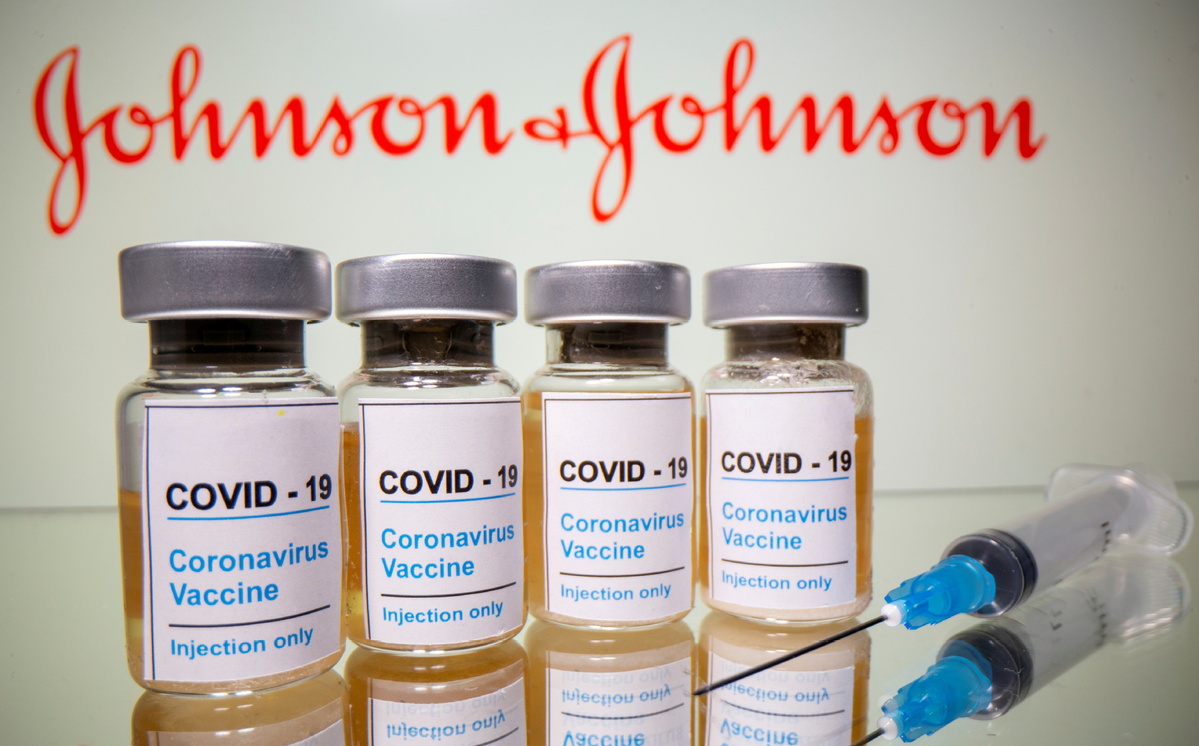
The study comes two days after the US paused the use of Johnson & Johnson's COVID-19 vaccine due to rare cases of blood clotting and one day after an independent advisory group to the US Centers for Disease Control and Prevention (CDC) said it would continue the pause until it reviews more evidence about a possible link between the inoculation and the blood clots.
A key finding of the Oxford research, revealed as a "pre-print" study that has yet to be reviewed by other scientists, was that the risk of experiencing a blood clot in the brain was about 95 times higher for people who have COVID-19 than in the general population.
The research suggests that the vaccines carry a significantly lower threat of clotting than the disease they have been proven to fend off.
The data showed that about 4 in every 1 million people who get the American-made vaccines experience cerebral venous thrombosis (CVT), or blood clots in the brain.
With the AstraZeneca vaccine, which works differently and is similar to the J&J shot, the research showed an incidence rate of about 5 in every 1 million.
The university helped develop the AstraZeneca vaccine that has now come under scrutiny for potential links to a brain blood clot. As of March 31, 79 blood clot cases had been linked to the vaccine's first dose, of whom 19 patients died.
Scientists from Oxford who aren't affiliated with the AstraZeneca jab studied the blood clot risk among coronavirus patients, vaccine recipients and the general population.
The study of 500,000 COVID-19 patients found that the risk of CVT after a coronavirus infection is about 100 times greater than normal, and several times higher than after COVID-19 vaccination or after the flu.
The decision to halt the distribution of the J&J vaccine, which has already been administered to about 7 million people, came after six women who received the shot developed blood clots. One woman died, and another is in critical condition.
Research from the Oxford study shows that the number of people who experience clots after getting the vaccines made by the American pharmaceutical companies appears very similar to the number who get the rare condition after a shot of the AstraZeneca drug.
Meanwhile, a poll released on Thursday showed Americans' confidence in the J&J vaccine has dropped following the government's decision to pause distribution, and the shots from Pfizer-BioNTech and Moderna are viewed much more positively among Americans.
According to the Economist-YouGov pol, roughly 58 percent believe the two-dose vaccines are safe, a percentage that YouGov noted is relatively unchanged from its last vaccine poll in February.
The poll, which began before the CDC and Food and Drug Administration recommended the pause Tuesday, found that about 52 percent of US adults believed the J&J shot was "very safe" or "somewhat safe" prior to the pause.
After Tuesday, just 37 percent indicated that they believed the inoculation was safe, with 39 percent believing it is unsafe.
Also on Thursday, Pfizer CEO Albert Bourla told CNBC that COVID-19 recipients of the vaccine "likely" will need a third dose between six to 12 months after they are fully vaccinated and suggested the vaccinations could be needed every year.
Pfizer previously announced that data from its clinical trial showed the vaccine to be highly effective six months after the second dose. The data was based on more than 12,000 vaccinated participants. It was too soon to examine the effectiveness of the vaccine beyond six months, the company said.
The poll found that the Oxford-AstraZeneca vaccine also has seen reduced public confidence amid concerns over blood clots. Approximately 38 percent of Americans said they believed in the safety of the AstraZeneca shot, which hasn't been approved for emergency use in the US.
Agencies contributed to this story.