Nepal to vaccinate all girls of 10 years old against HPV







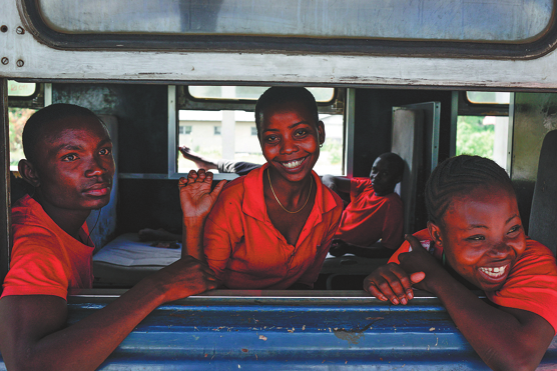
All girls aged 10 years old or in class six will be administered the human papillomavirus, or HPV, vaccine from mid-February to mid-March as part of the routine immunization schedule.
Although the HPV vaccine has been included on the routine immunization list, officials say it will be administered annually.
"We have estimated that around 350,000 girls are 10 years old," said Abhiyan Gautam, manager of Nepal's national immunization program under the Department of Health Service. "Health workers will administer the vaccine to those studying in class six in the schools, and others who are 10 years of age and don't go to schools will also be administered the vaccine from health facilities."
Human papillomavirus is a viral infection that spreads through skinto-skin contact and is a leading cause of cervical cancer, the second-most common cancer in the developing world.
Cervical cancer is a major cause of death among Nepali women, with hundreds diagnosed every year.
Although the exact number of patients who have cervical cancer in Nepal is not known, it is estimated that every day, at least four women die of the disease. BP Koirala Memorial Cancer Hospital in Bharatpur said that more than 700 women who have cervical cancer seek treatment at the hospital every year.
A cervical cancer screening carried out by the Kathmandu Metropolitan City in July this year found 126 women in the city infected with the human papillomavirus.
Of 2,564 samples tested during the screening, 28 women were found to be infected with HPV types 16 and 18, which are responsible for 70 percent of cervical cancer. The remaining 98 tested positive for other types of HPV.
The testing was carried out at the Bir Hospital laboratory, and only HPV types 16 and 18 were tested, as officials said neither the city office nor the Bir Hospital had testing kits for other HPV types.
Doctors say HPV exists in more than 100 different forms, ranging from low-risk to high-risk infections. HPV types 16 and 18 are frequently associated with invasive cervical cancer compared to other types, meaning that they are more carcinogenic than other types.
They say most cases of cervical cancer are associated with HPV. Widespread immunization could significantly reduce the impact of cervical cancer and other HPV-related cancers. Early treatment can prevent up to 80 percent of cervical cancer cases, according to them.
The Ministry of Health and Population launched a nationwide HPV drive in February-March this year in which around 1.5 million girls between 11 and 14 were inoculated with a single dose of HPV vaccine.
Experts say the HPV vaccine is effective if it is administered before getting sexually active. The efficacy rate for adult women, or after getting sexually active, is low.
The Global Alliance for Vaccines and Immunization, or GAVI, has supplied the required vaccine doses for the campaign. Officials say the alliance has also committed to providing vaccine doses for routine immunization programs.
THE KATHMANDU POST, NEPAL