Global navigation satellite system technology needs proper protection







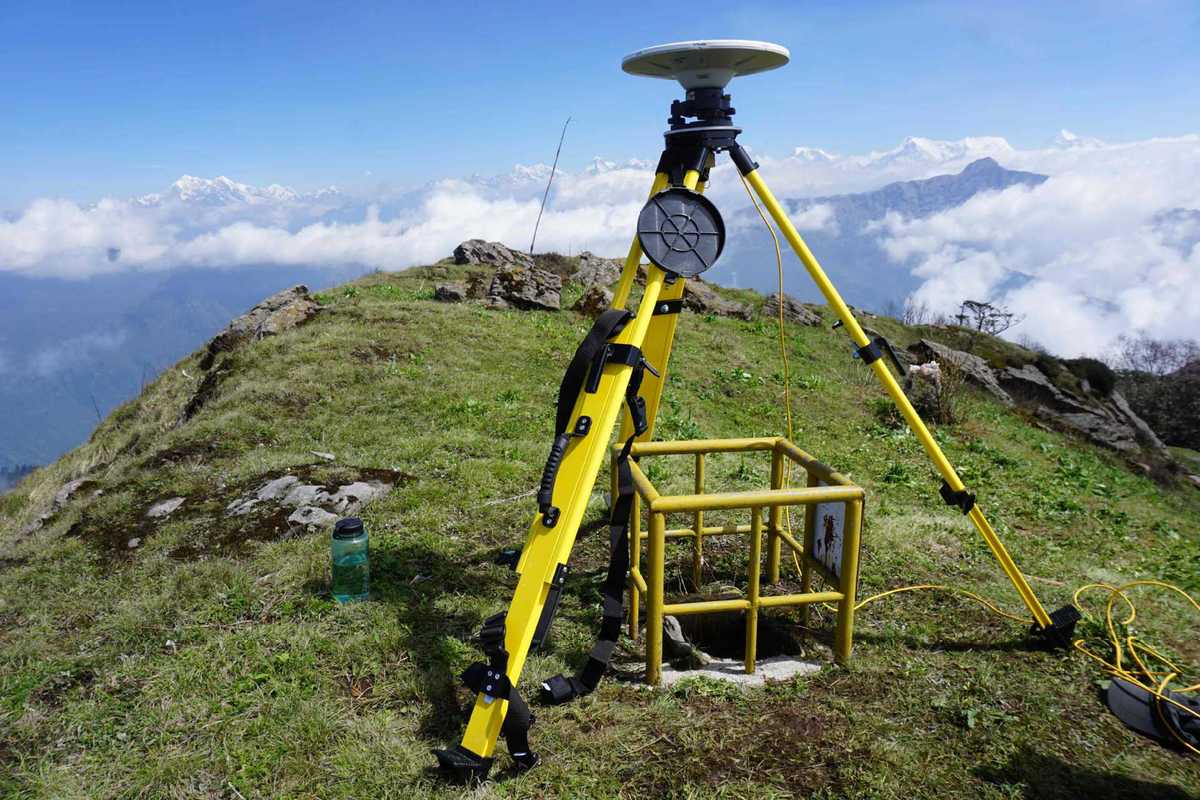
Global Navigation Satellite Systems (GNSS) such as GPS, the European Galileo system, or indeed China's own BeiDou are a testament to the powerful global services that large superpowers can offer the world.
Such potent navigational software that can pinpoint a location down to several centimeters from space are invaluable for everyday life, and are embedded into our smartphones, cars and even now our watches and fridges.
However, there is caution around overreliance on such technology as we head into an era of smart cities. GNSS technology is vulnerable to hacking, jamming and signal outages, alongside many other forms of disruption.
Their fragility means that countries must look to alternatives, as we come to rely on such systems in our societies.
Technologies, such as radar and other land based options, could ensure that we are not putting all our eggs in one basket in the event of network failure.
One reason behind the fallibility of GNSS technology is the fact that the signals are extremely weak. It does not take much to block them using cheap jamming technology, meaning that in the future any malicious group with basic technical know-how would be capable of knocking out a vital piece of city infrastructure.
False GNSS signals are also able to be created with relative ease using simulators, creating confusion by making a receiver interpret false positional data. These inaccurate signals can be sent back up to satellites, causing a knock-on effect where faulty signals are transmitted across a wide area.
Such malicious attacks can cause a serious risk of danger to life, as emergency services, distress signals and the majority of long-range communication now all take place on GNSS networks. Our financial markets all also rely on GNSS technology to time-stamp trades internationally wherever they take place in the world, providing legal confirmation to their existence in time and space.
The world's largest financial institutions and markets all rely on these systems, and with even the slightest disruption our global economies would grind to a halt.
Alternatives are on the horizon, with many aiming to either fortify or supplement GNSS tech, rather than replace it.
China's developing autonomous vehicle industry will especially benefit from such new innovations, as tall buildings and dense urban environments are bound to weaken the signal of satellite navigation.
Many autonomous car companies are now looking into using a mixture of radar, lasers and cameras to aid BeiDou-based satellite navigation systems. As time progresses, we will most likely see other applications for terrestrial-based navigational systems, for example in maritime industries or with drones.
Governments around the world must stay updated regarding developments for making navigational systems more robust. Research into anti-jamming equipment would be a good start. Alternatively, multiconstellation GNSS networks are becoming more common. These allow networks such as BeiDou and GPS to fall back on groups of supporting satellites that provide back up in the event of a system failure.
Electricity grids have backup generators. Water supplies have extra pipes, and sanitation systems have other contingency plans. Our most important infrastructure networks all have "plan Bs" in the event of a crisis.
GNSS reliance is going to be difficult to remove, as the technology becomes integrated into nearly every new electronic device manufactured in 2021. We can however fortify and supplement it, so it does not become the achilles' heel of 21st century smart cities.
Barry He is a London-based columnist for China Daily.