Justice, mutual benefit key to climate fight







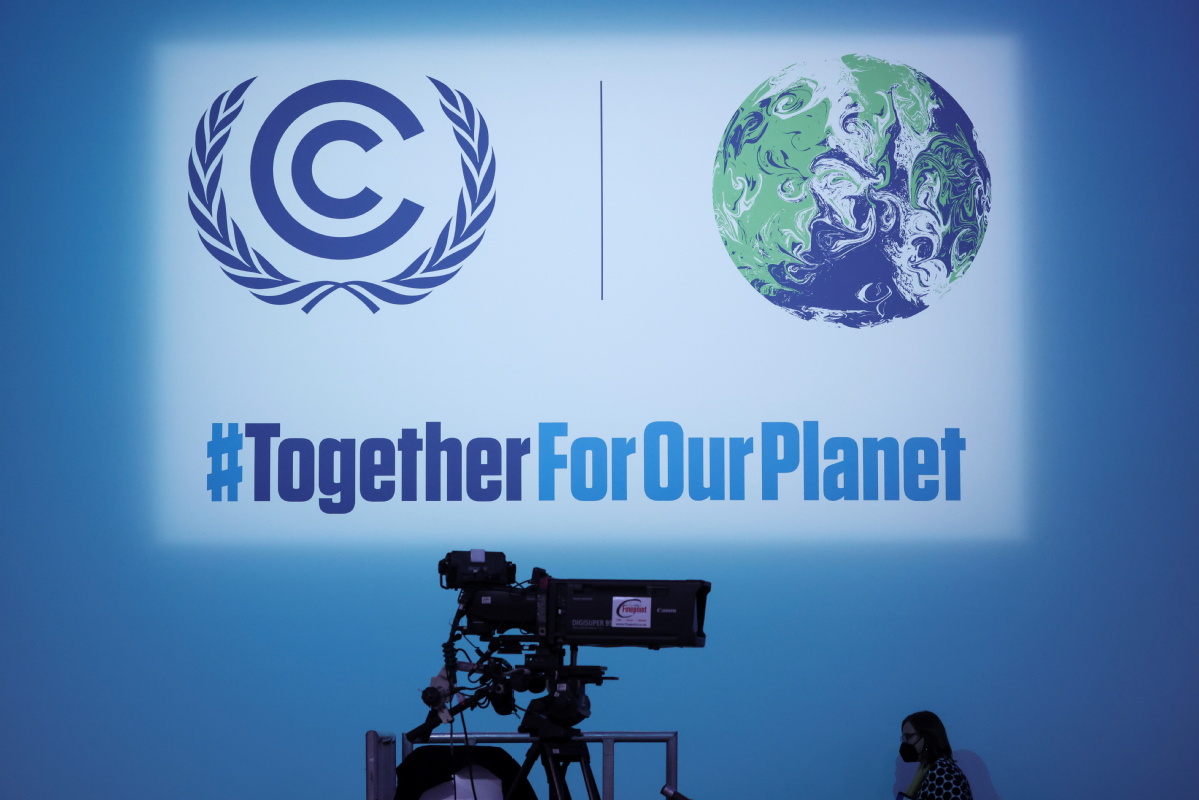
Nearly 200 participating countries adopted the Glasgow Climate Pact at the end of 26th session of the Conference of the Parties (COP 26) to the United Nations Framework Convention on Climate Change, which concluded Saturday after a one-day extension. Meanwhile, developed countries, whose industrialization is responsible for most of today's climate change impacts, were urged to meet their funding pledge.
In the new climate deal hammered out by COP 26, there are commitments to significantly increasing financial support through the Adaptation Fund, with developed countries urged to double their support to developing countries by 2025.
Climate change is a serious challenge facing the world, along with other challenges such as sustaining economic development, alleviating poverty, providing good healthcare for all, better protecting the environment and ecology, and safeguarding national security.
And since no country is immune to climate change, building a community with a shared future has become even more important. There is also a need to make the world order fairer, equitable and mutually beneficial in order to meet the climate challenge, as a winner-takes-all mechanism like the one for US presidential election would be neither sustainable nor effective.
For years the climate talks have focused on emission-reduction targets, for example, by how much countries should reduce their emissions and by when. Indeed, the UNFCCC says that parties should act to protect the climate system on the basis of "common but differentiated responsibilities and respective capabilities", and that developed countries should "take the lead" in doing so.
However, some countries and groups have been trying to water down, even scrap the "common but differentiated responsibilities and respective capabilities" principle-and thus destroy a key basis for cooperation in the global fight against climate change.
Worse some countries are wrongly accusing the developing countries of dragging the world down in the global climate fight, especially the emissions reduction efforts, and asking them to contribute more to the global climate fight by peaking their carbon emissions and realizing carbon neutrality much earlier than possible. This is against the Paris Agreement, and without the correct understanding of the agreement, comprehensive cooperation in the next phase could face problems.
Some developed countries demand that for the world to realize global carbon neutrality by 2050, the developing nations should also achieve carbon neutrality by that time, ignoring the Paris Agreement clause that asks the rich countries to take the lead in this field.
What the rich countries need to do instead is to create more room for the growth of developing countries, by providing the latter with adequate funds, new technologies, and taking effective and practical measures to realize carbon neutrality.
Since countries are exploring policies, regulations, technologies, management and other options to better combat climate change, they should share their knowledge and experiences with each other to boost the joint fight against climate change.
The world knows that the volume of carbon emissions developing countries can reduce depends on the funds and technologies at their disposal. And that's precisely why the new climate agreement requires rich countries to provide funds and technologies for the developing, especially the least-developed, countries.
The developed countries should provide funds, transfer technologies and support the developing countries to fight climate change. In the past decade, the rich countries have not only failed to fulfill their promise of helping the developing countries but also have been pressuring them to contribute more to the global fight against climate change.
In stark contrast, China has established the South-South Cooperation Fund on Climate Change to provide material and technological support to other developing countries while accelerating its own low-carbon, green economic transformation, which highlights its sense of responsibility as a major country.
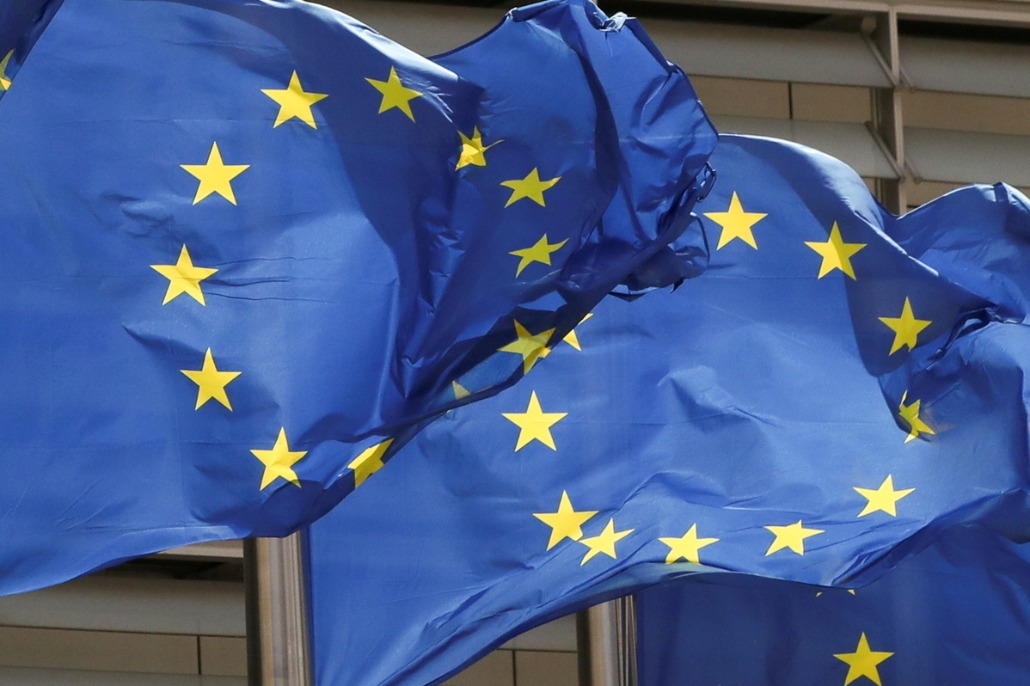
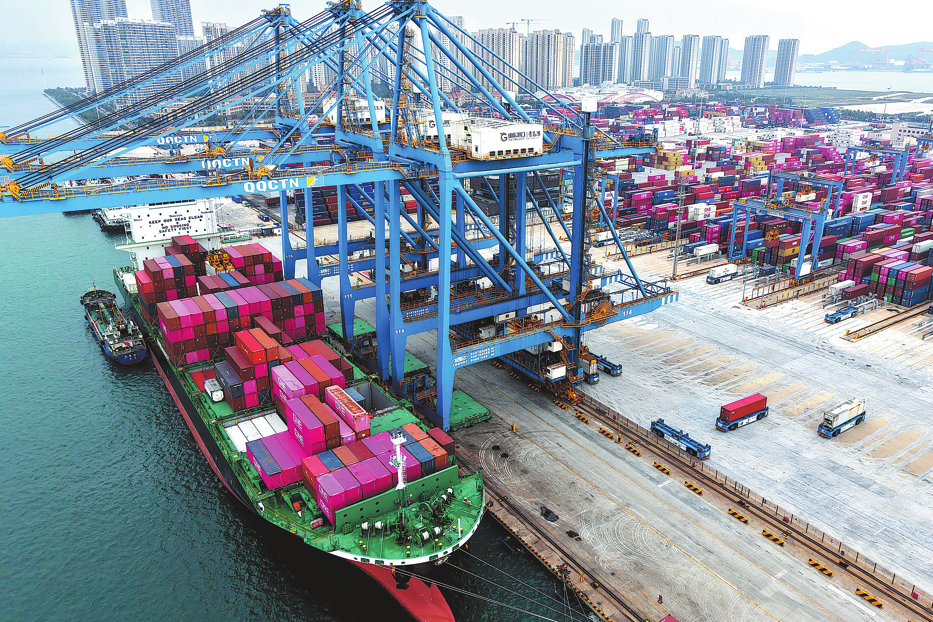
Countries need to deepen cooperation and collaboration to better fight climate change. Some economies should stop taking unilateral measures in the name of environmental protection. The Carbon Border Adjustment Mechanism that the European Union has proposed could trigger a chain reaction once introduced, and have negative impacts on the global climate management system, even the trade system.
Such unilateral measures violate the "common but differentiated responsibilities and respective capabilities" principle and constitute discrimination in international trade.
But even as the concentration of greenhouse gases in the atmosphere continues to increase and the effects of climate change become more real and harmful, some developed countries have been trying to give the "common but differentiated responsibilities and respective capabilities" principle a quiet burial, and asking poor countries to shoulder more responsibilities while being silent on the rich world's failure to provide funds and technological support to the developing countries. Unfortunately, this situation is not likely to change anytime soon.
As for China, it should continue making efforts to meet its UNFCCC and climate agreement goals, and strengthen exchanges with all parties to help build a just, reasonable and mutually beneficial global climate management system.
The views don't necessarily reflect those of China Daily.
The author is deputy director of National Center for Climate Change Strategy and International Cooperation.