Recover together, recover stronger







As a born optimist, I consider 2021 as the year of recovery. The pandemic is not yet over, but there is a ray of hope for a better tomorrow both in the health sector and the economy. We have seen the impact of vaccinations in reducing casualties and the effect of fiscal intervention in spurring growth. However, the recovery remains uneven among countries, due to varying pre-pandemic economic conditions and the divergent stimulus policies that ensued.
The vaccines have been the game-changer. Once the vaccination rate goes up, so will herd immunity, creating opportunities, easing restrictions and jump-starting the economy. While we acknowledge the efforts of multilateral institutions to ensure a fair distribution of vaccines across the globe, many developing nations are still struggling to secure enough vaccines for their people. This is in stark contrast to the rich nations that can deploy vaccines at warp speed, thus exacerbating inequity and an uneven recovery.
In this fight against the pandemic, we are only as strong as our weakest link. Every country has similar goals: controlling the pandemic and returning life to normalcy. Therefore, global collaboration is a must. Multilateral institutions should play a bigger role in ensuring that every nation can deliver its vaccination program promptly.
There is also a need for us to establish an early warning system and a crisis preparedness mechanism for future pandemic, in the form of resources, governance, decision-making process, or information sharing. A key challenge will be in managing the often tense relationship between national sovereignty with global governance. However, failure to do so will risk future catastrophic damage as seen from the COVID-19 pandemic.
Different nations are currently in different stages of recovery and opting for different types of exit strategies, both in terms of policies and timeline. Still, in a world that is highly interconnected and made up of many different but related financial and economic systems, the easing of stimulus in one economy will impact other economies. A case in point, the easing of stimulus in developed economies can increase volatility in and cause capital outflow from emerging markets if not communicated transparently.
In many developing economies, the pandemic has exerted undue pressure on public finance, as governments grapple with rising debt levels to finance the fight against the pandemic. So international financial institutions and private creditors must collaborate to ensure a fair burden-sharing scheme to assist them. While it is helpful to have a tailored approach, such as the common framework of Debt Service Suspension Initiative, this relief remains a temporary measure. We need greater oversight and guidance from multilateral institutions to address the growing debt problem and mitigate the elevated debt distress.
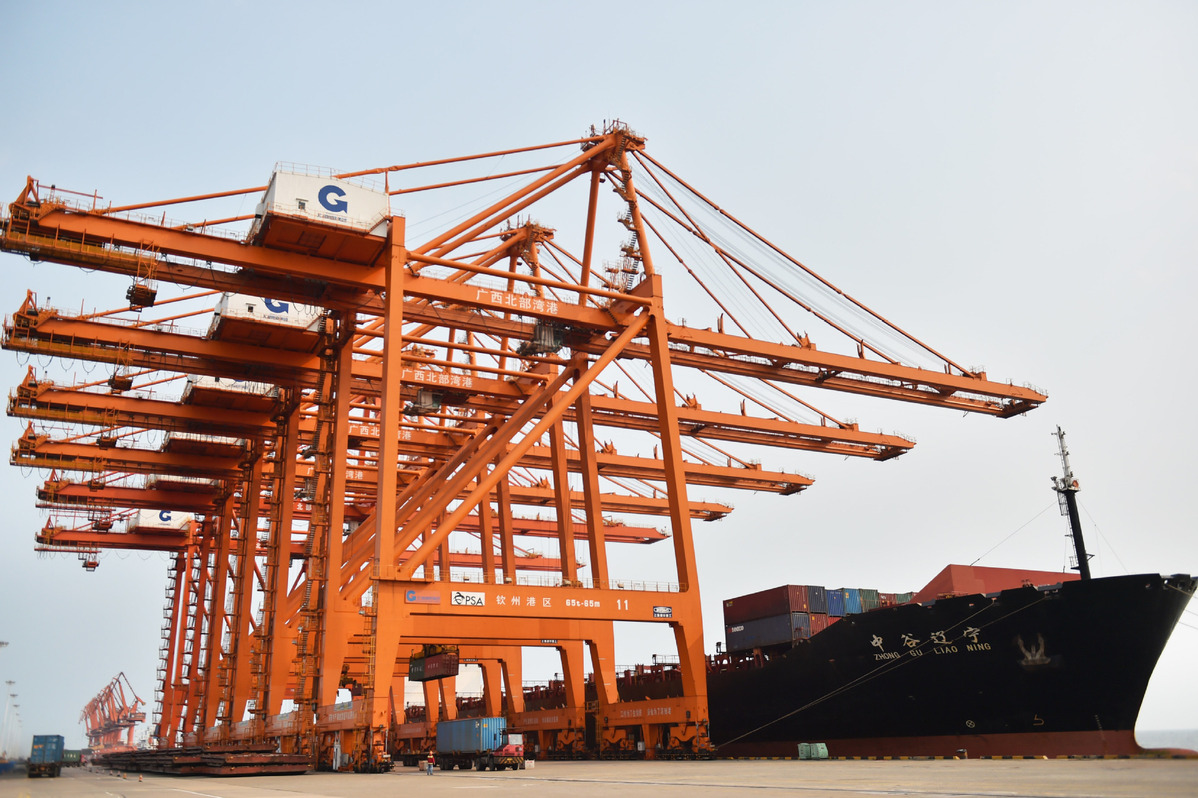
As global demand started to rise following the recovery, the disruption in the supply chains during the pandemic leaves a scarring effect on the supply side so it cannot adjust immediately to meet the current spike in demand. The disruption may be transitory, but it is costly. This pandemic allows us to reassess the current global supply chains and resources allocation. It can be momentum for emerging markets to have a bigger share in the global supply chains.
In the energy sector, demand has increased beyond the pre-pandemic level, causing a global energy crunch. Aside from the spike in price that may spur inflation, the energy crisis is also threatening our efforts to combat climate change-another priority issue that requires global action. Similar to the fight against the pandemic, the actions to combat climate change can only be successful if we do it together and in a consistent way.
Today, we have an opportunity to kill two birds with one stone: reviving the economy and combating climate change at the same time through a green, resilient and inclusive recovery. In order to do that, we have to design climate-positive recovery policies and more sustainable financing as building blocks to a sustainable recovery. For example, as part of Indonesia's economic recovery strategy, we have introduced programs that create alternative economic activities that both produce income and preserve forests for those who live within their vicinity.
The green recovery program is also proven to empower women, since they are the ones more affected by the pandemic and climate crisis. In many instances, women act as agents of change for these green initiatives. As a country with one of the largest rainforests in the world, Indonesia has a strong and clear commitment to implementing green recovery. In my capacity as co-chair of the Coalition of Finance Ministers for Climate Action, I know for certain that these green initiatives must not be unfunded mandates.
Indonesia will hold the G20 presidency next year and the ASEAN chairmanship in 2023. This provides momentum to set the groups' strategic direction in ensuring a sustainable, resilient, and inclusive global recovery without worsening climate change. And G20 nations must establish an effective common framework to address the global challenges of our time, especially in pandemic prevention, sustainable financing, and addressing climate change. As an optimist, I am confident that we can recover together, we can recover stronger.
Project Syndicate
Sri Mulyani Indrawati is the Finance Minister of Indonesia and Co-Chair of the Coalition of Finance Ministers for Climate Action.
The views don't necessarily represent those of China Daily. If you have a specific expertise, or would like to share your thought about our stories, then send us your writings at opinion@chinadaily.com.cn, and comment@chinadaily.com.cn.