Wrong prescription
Backlash against globalization will not help solve the problems of developed countries







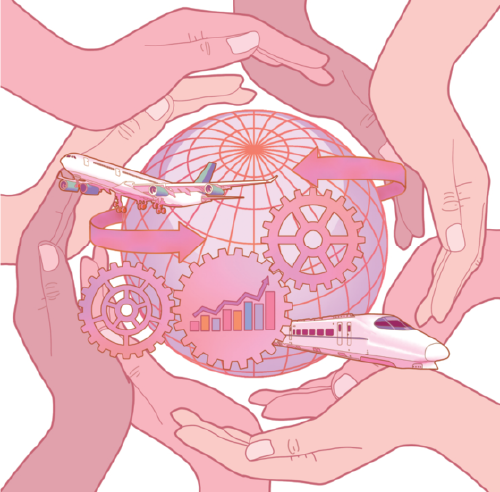
Editor's note: The world today is undergoing major changes and the global economic structure is facing great uncertainties. The backlash against globalization, the contest between major countries, and the decoupling and breakage of industrial and supply chains are all problems that can be answered through the contradiction analysis in the global opening-up process. Assessing the level of openness in the world, the World Openness Report 2022 went through hot topics on the frontiers of global openness, and looked back on China's achievements in opening-up over the past decade from an objective perspective. The report revealed for the first time this year the level of opening-up for various countries since the outbreak of COVID-19, which showed that the world openness index in 2020 continued to show a downward trend.
Backlash against globalization will not help solve the problems of developed countries
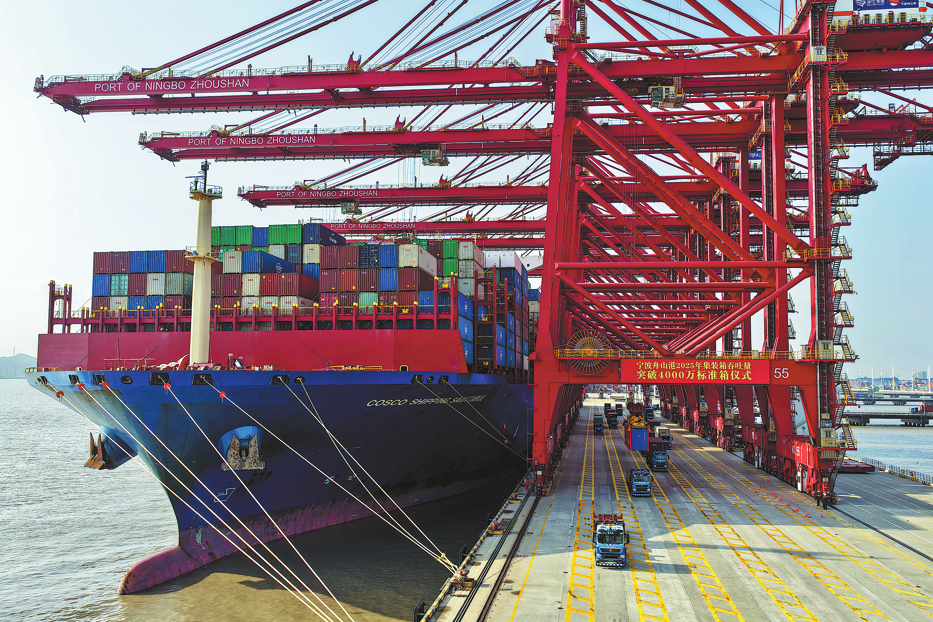
Over the past more than 40 years, China's reform and opening-up policy enabled the nation to maintain an average annual growth rate of 9.2 percent, and lift over 800 million people out of extreme poverty, marking a significant contribution to the cause of global poverty reduction.
A key reason enabling China to attain such achievements has been its internal reform — shifting from a planned economy to a market economy — and its opening-up to the world.
Opening-up is not only important to China, but also to the world.
Between the end of World War II and 2008, only 13 of the world's over 200 developing economies had achieved a yearly growth rate of 7 percent or higher and for 25 or more years.
What these 13 economies have in common is that they are all open economies. Why is openness so important? From the perspective of new structural economics, if a country or economy wants to develop well, it should develop its industries based on their comparative advantages, so that those industries with comparative advantages will have low production costs and should make good use of the domestic and international markets to explore the economies of scale. Industries without a comparative advantage must rely on imports and make full use of international resources, products, capital and technology. This way the economy will develop in a stable and quick manner with low cost and high quality.
In 2015, the United Nations adopted the 2030 Agenda for Sustainable Development Goals, which includes 17 very important goals, such as ending poverty and hunger, and ensuring good health. Such ambitious goals can only be achieved with an open global economy.
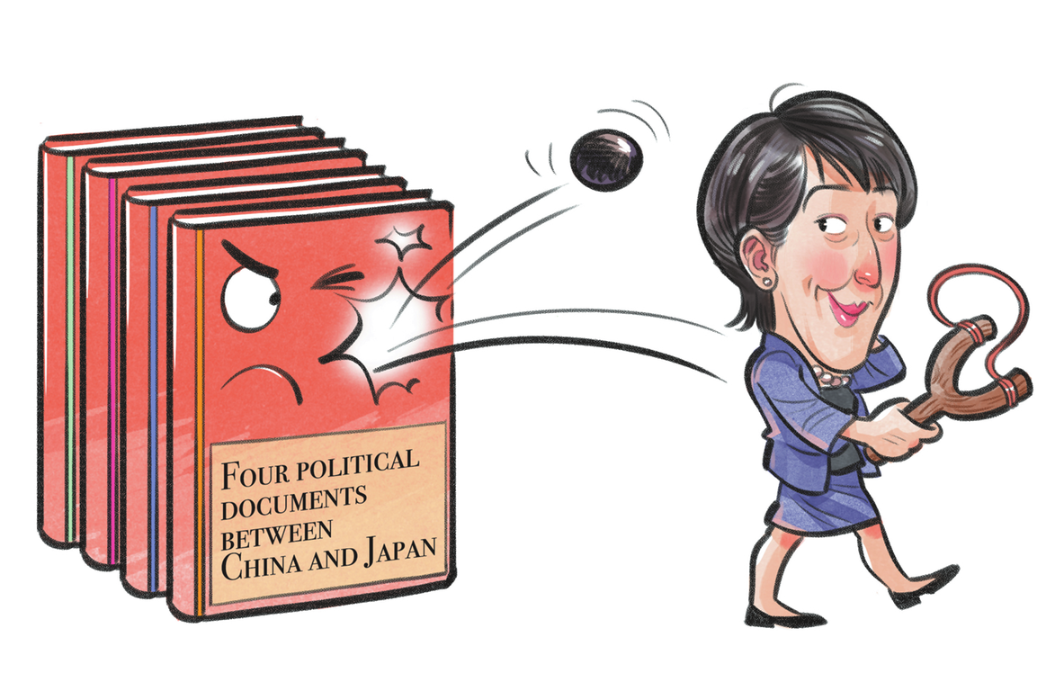
But we know that there has been backlash against globalization in recent years. A primary reason for this is that there are many domestic problems in developed countries. For instance, after the 2008 global financial crisis, these countries failed to launch necessary structural reforms. This has led to their sluggish economic performances, lack of improvements in citizens' income and problems in the job market. In addition, the longstanding issue of the income gap has not been resolved, fueling tensions within those countries. These developed countries have blamed their domestic tensions on the globalization and used this as a scapegoat for their own failures. There is a Chinese saying that only by prescribing the right medicine can you cure the disease. This backlash against globalization will not help solve the problems of developed countries and it will present many obstacles to the growth of developing countries.
Therefore, in the face of the backlash against globalization, developing countries should concertedly pursue openness in economic growth and continue to promote globalization.
The author is dean of the Institute of New Structural Economics and honorable dean of the National School of Development at Peking University. The author contributed this article to China Watch, a think tank powered by China Daily. The views do not necessarily reflect those of China Daily.
Contact the editor at editor@chinawatch.cn