The implications of Iran-Saudi Arabia deal for regional stability







The precarious relationship between Iran and Saudi Arabia has significantly contributed to regional instability in the Middle East. However, China's recent mediation to establish diplomatic relations between the two nations has raised prospects for a more peaceful future. Despite high tensions and ongoing efforts by other regional and global players to resolve the conflict, China's involvement could have significant implications for regional stability and global politics. China's robust economic connections to both countries and its growing regional influence place it as a potential crucial actor in settling this enduring issue.
Since the Iranian Revolution, Iran and Saudi Arabia have regarded each other as a threat primarily due to their differing ideologies. Iran, as an unwavering supporter of the Shia community; and Saudi Arabia, as a champion of the Sunni-led; have brought these two nations to the brink of direct confrontation. The indirect proxy war between Iran and Saudi Arabia is evident in Yemen and Syria. Moreover, the Sunni-Shia divide in the Middle East has led to tensions between Iran and Saudi Arabia, with both nations vying for regional dominance and supporting opposing sides in proxy conflicts in the region. Other nations in the region with Shia or Sunni majorities also align themselves with one or the other, further complicating the situation.
China has long maintained a balancing act in its relations with both Iran and Saudi Arabia, recognizing the importance of maintaining strong ties with both countries. Therefore, China is well-placed to facilitate dialogue between the two rivals and help resolve their issues. After lengthy negotiations, Iran and Saudi Arabia have agreed to reopen their embassies. It is worth noting that cooperation between Riyadh and Tehran could alter the geopolitical landscape of the Middle East, but given that they are the world's largest oil-producing countries, a positive and constructive relationship between them can have far-reaching positive outcomes for both Iran and the Kingdom.
Per a mutual statement issued by both nations, the Iranian newspaper Tehran Times reported that the governments of Saudi Arabia and Iran had announced an agreement to resume diplomatic relations and reopen their embassies. This move follows years of strained relations between the two regional powers and marks a significant development in the geopolitical landscape of the Middle East.
The agreement includes a commitment to respect the sovereignty of the states and refrain from interfering in their internal affairs. According to the statement, the foreign ministers of the two countries will convene to execute the agreement, coordinate the repatriation of their respective ambassadors and consider ways to strengthen their diplomatic ties further. This development has the potential to positively impact the region, as Saudi Arabia and Iran are two of the largest oil-producing countries in the world and improved cooperation between them could yield significant economic benefits.
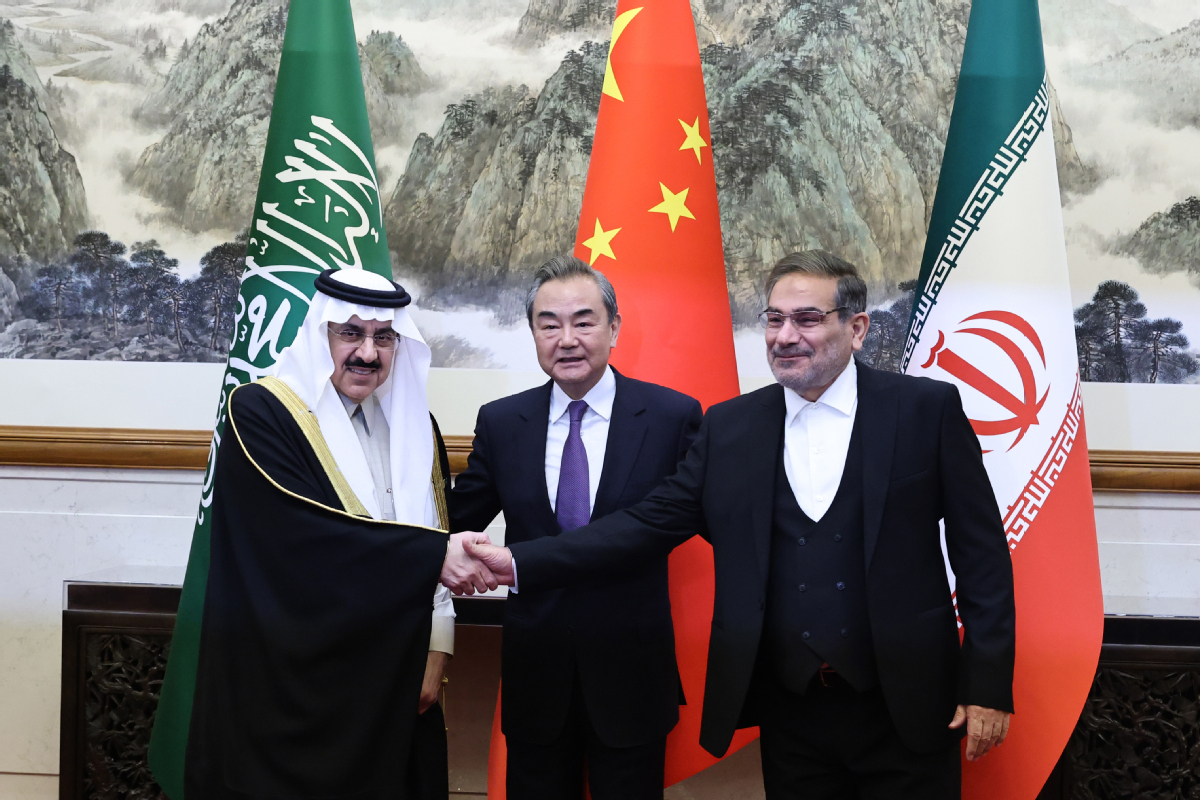
Meanwhile, the Saudi Gazette reported that talks were held in Beijing from March 6-10, 2023. The talks were based on an agreement between President Xi and the leaders of Saudi Arabia and Iran, in which China would host and sponsor talks between the two countries. The Saudi delegation was headed by Dr. Musaad Al-Aiban, who is the Minister of State, a Member of the Council of Ministers, and also the National Security Advisor who led the delegation from Saudi Arabia. The Iranian delegation, on the other hand, was led by Admiral Ali Shamkhani, who is the Secretary of the Supreme National Security Council. Both sides expressed their gratitude to China for hosting and sponsoring the talks and to Iraq and Oman for hosting previous rounds of dialogue between them.
The potential for improved relations between Iran and Saudi Arabia may bring about positive effects on the future of the Middle East. Better bilateral relations might help reduce regional tensions by minimizing proxy conflicts and aiding diplomatic attempts to resolve disagreements. Additionally, the enhanced stability achieved through improved relations could serve to lessen the chance of future conflicts and promote regional peace and stability. Furthermore, increased economic collaboration could result in more economic cooperation, including collaborative investment initiatives and increased commerce, which would benefit both countries economies.
Additionally, increased oil cooperation might help stabilize global oil prices and benefit both economies. Improved relations could also give both countries more clout in regional affairs, helping them address common concerns more effectively, such as combating terrorism and supporting regional growth. Finally, collaboration on energy challenges might help to promote sustainable development in the region by supporting the transition to cleaner energy sources and reducing reliance on fossil fuels.
Although the prospect of better relations between Iran and Saudi Arabia is encouraging, the Middle East situation is complex and volatile. Meanwhile, other conflicts and tensions, such as the continuing crisis in Syria and tensions between Israel and Palestine, may continue to have an influence on the area impeding development. Foreign variables, such as changes in global economic circumstances or political events in other regions, might potentially have an influence on the Middle East, contributing to the region's future unpredictability.
To achieve long-term improvement in the Iranian-Saudi relationship, it is critical to address any underlying issues that may have contributed to difficulties in the past, as well as work toward developing trust and understanding. In the interim, proper communication and cooperation are also required to facilitate the exchange of ideas, resources and expertise. The potential benefits of better Iranian-Saudi ties may be fully realized through a comprehensive and collaborative strategy, leading to a brighter future for the Middle East.
Asad Ullah is a Ph.D. student in International Politics at Shandong University. The opinions expressed here are those of the writer and do not necessarily represent the views of China Daily and China Daily website.
If you have a specific expertise, or would like to share your thought about our stories, then send us your writings at opinion@chinadaily.com.cn, and comment@chinadaily.com.cn.