Brazil and China: A greener and more inclusive partnership








President Luiz Inácio Lula da Silva's state visit (March 27-31) offers Brazil and China the opportunity to reestablish the bilateral strategic partnership and political dialogue at the highest level, at a moment in which the world can certainly profit from both nations' positive initiatives on a wide range of issues. From tackling extreme poverty to fostering the development of clean energy resources in recent years, Brazil and China have built a track record of constructive solutions to the contemporary existential challenges posed by extreme inequality and climate change.
Under the leadership of President Lula, who took office on Jan 1, Brazil is back on the global stage, after four years of absence. And relaunching the strategic relationship with China is a top priority, as the size and high level of the Brazilian government and business delegation clearly demonstrates.
Over 200 businessmen have joined the high-level delegation led by President Lula, and will take part, alongside with their Chinese counterparts, in a seminar scheduled for March 29 in Beijing, a day after President Lula and President Xi Jinping are scheduled to hold their meeting and preside over a ceremony during which documents in several areas of mutual interest will be signed.
Cooperation between our countries has thrived in recent decades, and the strategic relationship has played a positive role in both countries' socioeconomic development. However, success should not breed complacency. President Lula's goal in this state visit is not only to strengthen the traditional pillars of our partnership, but also to establish new ones. I strongly believe that a closer dialogue between our nations can help shape 21st-century world order and tackle global challenges such as the environmental crisis.
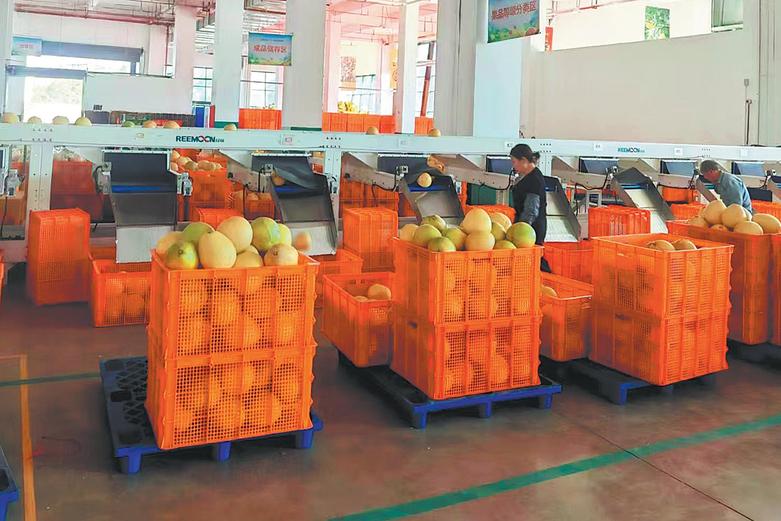
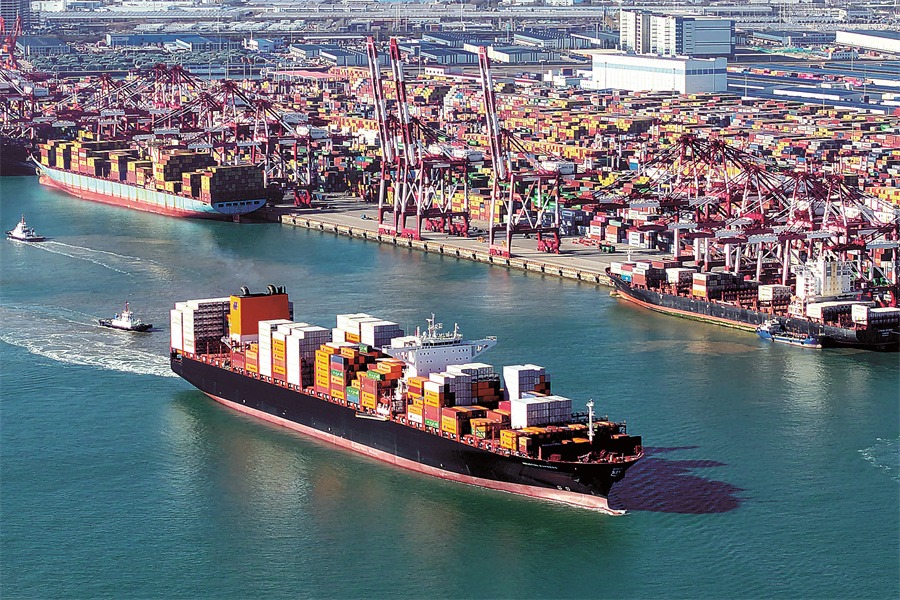
Facts and figures clearly demonstrate the diplomatic success achieved by Brazil and China. Bilateral trade has grown exponentially. In 2009 – when President Lula paid his most recent state visit to Beijing – China became Brazil's main trading partner. Since then, the bilateral trade flow has quadrupled, reaching $150 billion in 2022. Additionally, Brazil has emerged as China's most reliable and important provider in the agribusiness sector. Over 20 percent of China's agricultural imports now come from Brazil's world-renowned producers, helping China to achieve its food security needs.
Brazil's open, transparent, and non-discriminatory investment framework has allowed for an enormous inflow of Chinese capital over recent years. In fact, Brazil has been one of the main recipients of China's investments worldwide, a testament to the mutually beneficial nature of our economic relationship. Scientific cooperation between Brazil and China dates back to the 1980s and has led to groundbreaking programs such as the China-Brazil Earth Resources Satellite (CBERS). Six CBERS satellites have been launched to date, with a new one now being planned. These satellites have been instrumental in monitoring and combating deforestation in the Amazon rainforest, for instance.
Brazil is committed to deepening its dialogue with China across all those traditional areas, with a view to fostering a more open and intense bilateral economic exchange, a wider scientific and educational cooperation, more significant tourism flows and closer cultural ties between our peoples.
The impressive results achieved over the years are encouraging, but some urgent global issues require a new approach. Climate change and biodiversity loss pose existential threats to our planet, and Brazil and China — two gigantic, developing, and megadiverse countries — have a crucial role to play in confronting those challenges. Although our countries have been collaborating on environmental issues in multilateral fora and groups such as the UN and the BRICS, we do not have a specific bilateral tool to address environmental cooperation. To fill this gap, Brazil and China are exploring the establishment of a bilateral mechanism exclusively to debate environmental policies and issues. A closer Sino-Brazilian dialogue on key topics such as biodiversity protection, forestry initiatives, emissions and pollution control will benefit our societies and the world at large.
It should be underlined that, from an economic point of view, Brazil-China bilateral environmental cooperation is already underway. There is a second clean energy revolution happening in Brazil — the first one took place some decades ago, when Brazil built its hydropower plants. In this second wave, Chinese technology and capital have been playing a significant role. More than 45 percent of Chinese total investments in my country between 2007 and 2021 were channeled to the electricity sector — and those resources were overwhelmingly used to fund the growth of renewable energy in Brazil. According to the International Renewable Energy Agency (IRENA), renewable energy has been growing in Brazil at an average rate of almost 6 percent per year since 2012.
Brazil's wind power growth rate ranked 3rd in the world in 2021 (China was the first, followed by the US). Electric and hybrid vehicles are also booming in Brazil — the number of electric vehicles sold grew 41 percent in 2022 — and once again Chinese companies are leading this process. This new high-tech industrialization wave in Brazil helps to reduce its emissions, but also has a socially inclusive aspect. Wind turbines and solar panels are revitalizing the economies and bringing social inclusion to some arid regions in the Northeast of Brazil.
Building a new environmental pillar in our diplomatic agenda would add momentum to the tech-intensive and sustainable Chinese investments in Brazil. It would also definitively engage Brazil's and China's political and academic worlds with the most pressing challenge of the 21st century: how to tackle the environmental crisis from the perspective of developing countries. As Brazil and China approach the 50th anniversary of the establishment of diplomatic relations in 2024, our countries should strive to revamp our partnership. Brazil, China and the world will hugely benefit from a greener and more inclusive Sino-Brazilian partnership.
The author is Brazilian Minister of Foreign Relations. The views do not necessarily reflect those of China Daily.