Japan's WTO complaint against China most ridiculous







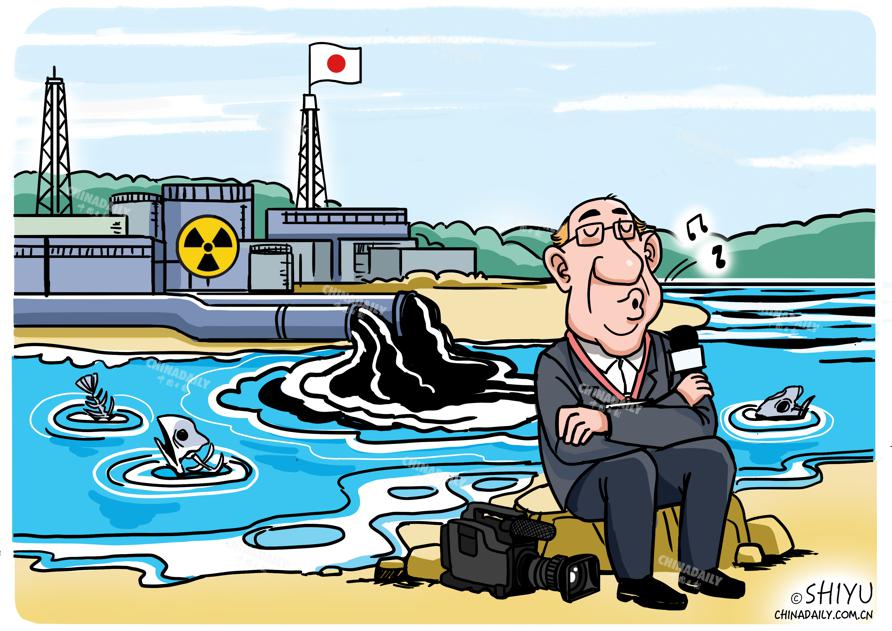
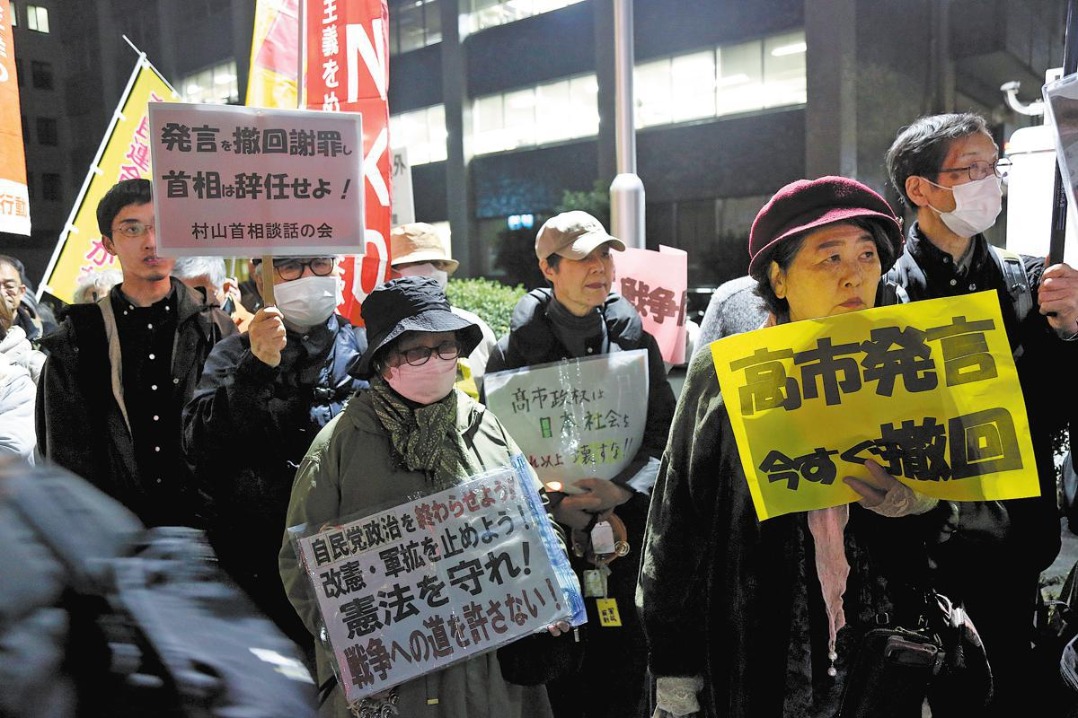
Ignoring the strong opposition from the international community, local fishers and civil society organizations, the Japanese government began discharging the radioactive water from the damaged Fukushima nuclear power plant into the sea on Aug 24. The radioactive water will first contaminate the marine environment around Japan and later spread across the oceans, threatening the whole marine ecosystem.
Japan's action is tantamount to violating its obligation to protect and preserve the marine environment according to the United Nations Convention on the Law of the Sea and the provisions of the Convention on the Prevention of Marine Pollution by Dumping of Wastes and Other Matter 1972 (the London Convention for short), which prohibits the disposal of radioactive waste in the ocean.
Japan's detrimental action has drawn condemnation from people both at home and abroad, and prompted many countries and regions, including China, to take some preventive measures, such as banning the import of Japanese products, seafood in particular, to protect their citizens against the consumption of nuclear-contaminated food.
Since Japan started dumping the nuclear-contaminated water into the sea, anti-Japan protests in the Republic of Korea have escalated. And Malaysia has asserted that it is not importing live seafood from Japan now. It also has vowed to put any "high-risk" food products from Japan to rigorous level-four food safety tests to screen for radioactive elements. Many other Asia-Pacific countries also take emergency measures.
Right from the day Japan announced it was mulling dumping the radioactive water into the sea China has been opposing the plan. And when Japan began executing the discharge plan, China, in accordance with the Food Safety Law of China, and the provisions of the World Trade Organization Agreement on the Application of Sanitary and Phytosanitary Measures, took emergency measures to prevent contaminated seafood from Japan from entering the domestic market by suspending their imports.
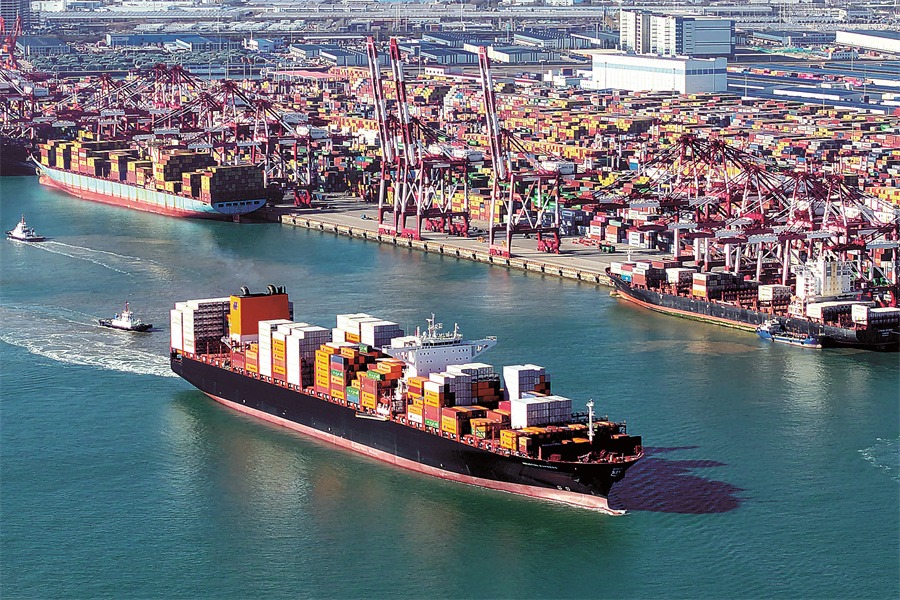
According to statistics from Japan's Fisheries Agency, in 2022, Japan's seafood export volume was 387.3 billion yen ($2.62 billion), with the Chinese mainland and Hong Kong being the largest and second-largest markets for Japanese seafood, accounting for 87.1 billion yen (22.5 percent) and 75.5 billion yen (19.5 percent) worth of Japan's seafood exports. The discharge of the radioactive water into the sea will certainly have a detrimental impact on Japan's seafood exports, causing significant harm to its fishing industry.
Amid all this, it is shocking to see some Japanese government officials, without considering the legitimate demands of other countries, attributing the losses of the Japanese fishing industry to China. In fact, they are demanding that China immediately lift its import ban on Japanese seafood, and have even threatened to file a complaint with the WTO against China.
Such demands and threats will not compensate the Japanese fishing industry for its losses; instead, they will escalate trade tensions between China and Japan, further exacerbating the already strained trade relations between the two countries.
Interestingly, the countries verbally supporting Japan's action are the ones that have seen the steepest decline in the import of Japanese seafood and agricultural products. Japan's data showed the United States saw the steepest drop in the import of Japanese agricultural and seafood products in the first half of this year. Sake, fish paste and scallops imports have declined the most. Fish paste and scallops are primarily produced in areas affected by the discharge of the radioactive water into the sea.
Tokyo's noxious action is not only hurting its fishing industry but also has strained Japan's relations with other countries, which in turn will severely affect its tourism industry, as fewer people from those countries, including China, would choose to travel to Japan. This will hinder Japan's efforts to revive its tourism industry and promote economic growth.
The dumping of the radioactive water into the sea is not a matter that concerns one country alone. Rather it is a serious global issue, because it concerns the health of the marine environment and ecology and, by extension, humans. The Japanese government's irresponsible decision has heightened the concerns of consumers in and outside Japan over food safety. It has also harmed the interests of the fishing industries of other countries and regions, and exacerbated geopolitical tensions.
Japan should take into account the concerns of its neighbors and the international community and immediately stop polluting the oceans and further harming the Japanese people, particularly those involved in the fishing industry. Engaging in open and sincere dialogue with the concerned parties and international organizations is necessary to find a responsible and relatively harmless solution to the radioactive water problem.
The author is an assistant research fellow at the Chinese Academy of International Trade and Economic Cooperation.
The views don't necessarily represent those of China Daily.