How moneyed interests spawned and sustained US opioid crisis







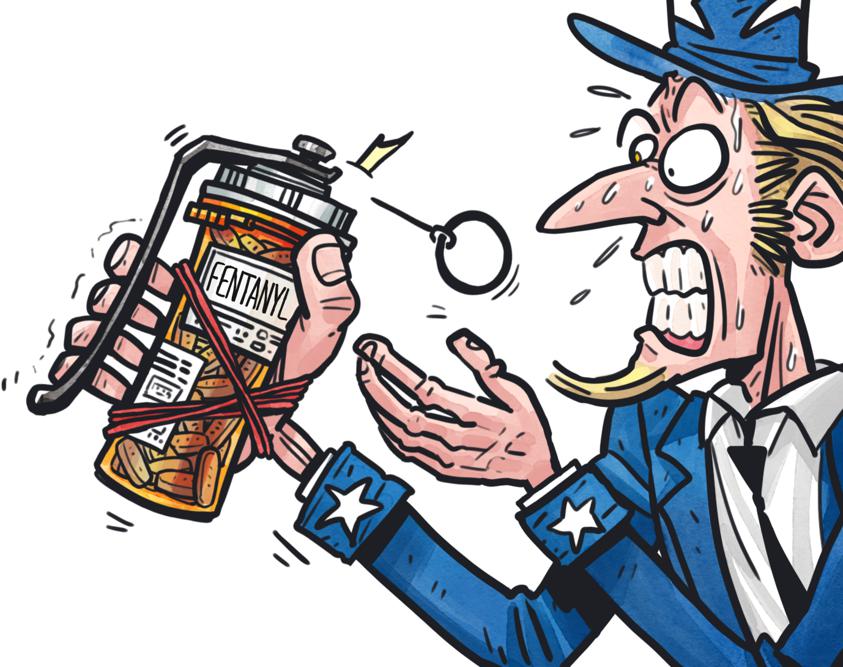
The opioid epidemic ravaging communities across America represents a profound public health crisis and moral failing decades in the making. This unfolding tragedy spotlights how profit motives and regulatory lapses incubated a contagion of addiction that enriched drug makers while extracting a ghastly human toll. Behind the statistics lie broken lives and betrayed trust.
The sheer scale of opioid mortality remains shocking despite growing awareness and mitigation efforts. With over 100,000 deaths in 2021 alone, opioid overdoses claimed more American lives yearly than car crashes or gun violence. And the crisis is worsening, with synthetic opioids like fentanyl causing record spikes in fatalities by permeating illicit drug supplies. This exponential loss of life now exceeds the darkest years of the AIDS epidemic.
Rather than a public health disaster happening organically, the opioid crisis was manufactured through calculated choices to drive addiction for profit. The relentless promotion of OxyContin as a low-risk analgesic directly seeded today's landscape littered with fatalities. Despite knowing the enormous dependency risks, the Sackler family deployed false marketing to push their blockbuster pill, raking in over $35 billion from Oxy sales since the 1990s.
The medical establishment shares culpability for becoming complicit conduits enabling mass over-prescription. Professional associations funded by opioid makers popularized the myth that doctors were under-treating chronic pain, abandoning caution about addictive risks. Misleading assertions that dependency was rare if opioids were properly prescribed for pain became common, despite contrary evidence. With incentives skewed, restraint was abandoned as doctors followed loosened guidelines.
Lax oversight from captured regulators like the FDA and DEA also facilitated the pharmaceutical free-for-all. Despite clear warnings about addiction and diversion, agencies succumbed to fierce industry lobbying to permit aggressive opioid marketing and distribution. Their regulatory surrender allowed and even abetted the ensuing epidemic rather than blocking it. This abdication of duty left Americans unprotected.
With profit seeking unconstrained and oversight neutered, conditions ripened for catastrophe on a national scale. The result after two decades was a historic public health crisis claiming over one million American lives, exceeding Vietnam War casualties. This colossal policy failure has rightly been labelled a "national disgrace" by reform advocates across the political spectrum.
Revelations of calculated choices sparking this crisis spotlight the corrosive influence of moneyed interests on governing institutions. The opioid epidemic illustrates how profit motives can capture regulators and corrupt policy to enrich a privileged few at monstrous public expense. The outsized lobbying power of opioid makers won them effective impunity while stifling reforms, allowing intended consequences to unfold.
Industry players secured enablers at the highest levels through strategic donations to politicians, advocacy groups, and regulators seeking influence. Opiate makers like Purdue lavished millions on contributions and lobbying funds to shape policy responses amenable to their bottom lines. Many lawmakers pursuing opioid deregulation were themselves among the biggest recipients of pharma cash, raising conflict of interest questions.
The notorious "revolving door" between regulators and regulated further entwined public agencies with opioid corporate interests. Several senior DEA officials involved in drug policy oversight have since joined opioid makers they once regulated, or defend them as lobbyists.
Such relationships inevitably raise doubts over whose interests the governing institutions truly serve under the capture of moneyed influences. Does the inordinate access and power of corporate lobbies undermine regulatory missions by corrupting public servants into servants of industry? Have democratic ideals of responsive leadership devolved into a system rigged by elite influence networks and tycoons? The tragic arc of the opioid crisis lends credence to critiques of America as a plutocracy masquerading as a republic.
As the opioid catastrophe escalated, responses from political leaders long paid to ignore warning signs ranged from tepid to complicit. Despite constituencies being decimated, many avoided policies that could curb profits, like prosecuting company leaders or funding treatment. Belated emergency decrees provided cover while avoiding real accountability. Opioid makers still reap billions in profits after paying settlements trivial relative to the scale of harms inflicted.
This sordid history raises skepticism about entrusting crisis response solely to the perpetrators and enablers who incubated the epidemic. Their pledges to make amends now ring hollow absent owning responsibility. Meaningful reforms appear necessary to constrain corporate power and corrupt elite influence that subordinate public welfare to private interests. Americans shaken by this nightmarish episode may conclude the institutions are too compromised to self-correct and must be redeemed through progress over plutocracy.
The merciless human toll of America's opioid plague spotlights endemic corruption of governing systems by moneyed special interests. This ongoing public health disaster was spawned by the callous pursuit of profit, enabled by regulatory surrender in the face of lobbying might. The scheme engorged the coffers of opioid makers while crushing families, communities, and faith in leaders. Its immense costs lay bare the moral bankruptcy of institutions serving the privileged few at such grievous public expense.
Redeeming civic promise requires truth, justice and change. The powerful must be held to account, balance restored to governance, and public interest reinstalled over private enrichment. For generations, the opioid crisis will be remembered as either the nadir spurring renewal, or another chapter of eroding trust as elites escape consequences. Its lessons must shape the necessary reckoning ahead to reclaim democracy from moneyed interests and reaffirm that all lives matter over lobbyists. In such a colossal crisis and tragedy, any attempt to shift blame onto others is an unforgivable crime of deceiving the American people.
The author is a Beijing-based commentator. The views don't necessarily reflect those of China Daily.
If you have a specific expertise, or would like to share your thought about our stories, then send us your writings at opinion@chinadaily.com.cn or comment@chinadaily.com.cn.