A memorable visit to Xinjiang







I was especially amazed to witness the old town of Jiaohe (around 2000 years old) and the Thousand Buddha Caves paintings dating back to a thousand years ago but in their original state. Thousand Buddha Caves is another piece of evidence of the religion exchange between India and China's Xinjiang Uygur autonomous region, which has proved the strong people to people connection on the ancient Silk route.
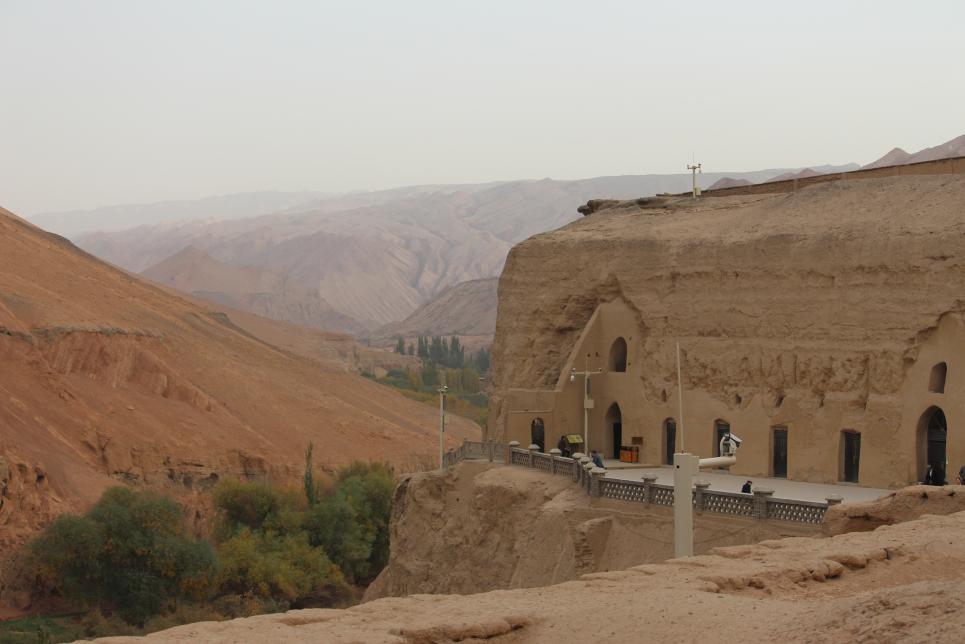
Today, the influence of Buddhism could be seen in the whole of China. Each of these destinations has made a significant impact, encompassing their remarkable natural landscapes and the enduring historical events that unfolded within them. These sites persistently embody the vibrant culture of the region while simultaneously preserving its pristine natural environment, which is less explored and understood in the foreign world.
A visit to China's famous milk and dairy products factory, Xiyuchun, in Changji city, was a very insightful learning experience to see how the factory works and how production takes place. China indeed has advanced technology when it comes to factory operations and production on a large scale. The other interesting place was the Changji National Agricultural and Technology Park. The park is equipped with many greenhouses to grow organic vegetables. The park area was huge, with a big flower garden and many other agricultural products grown within the vicinity.
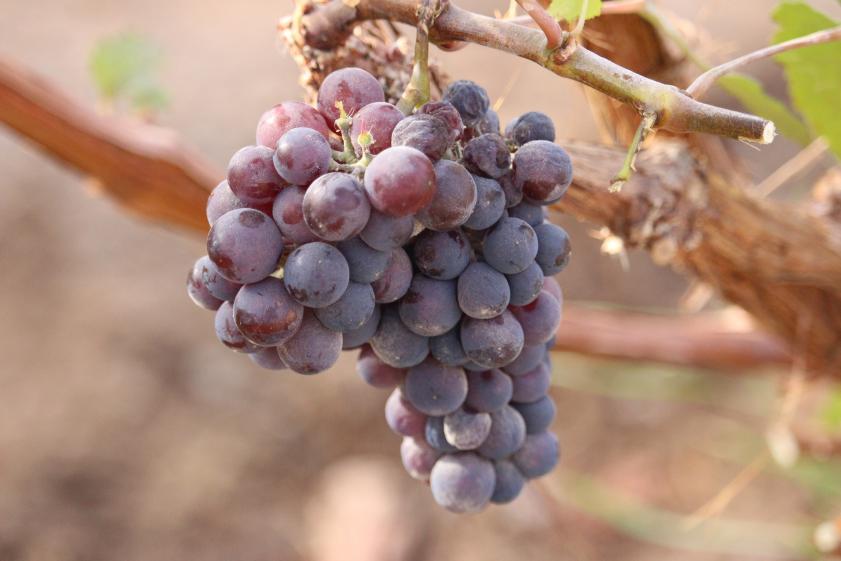
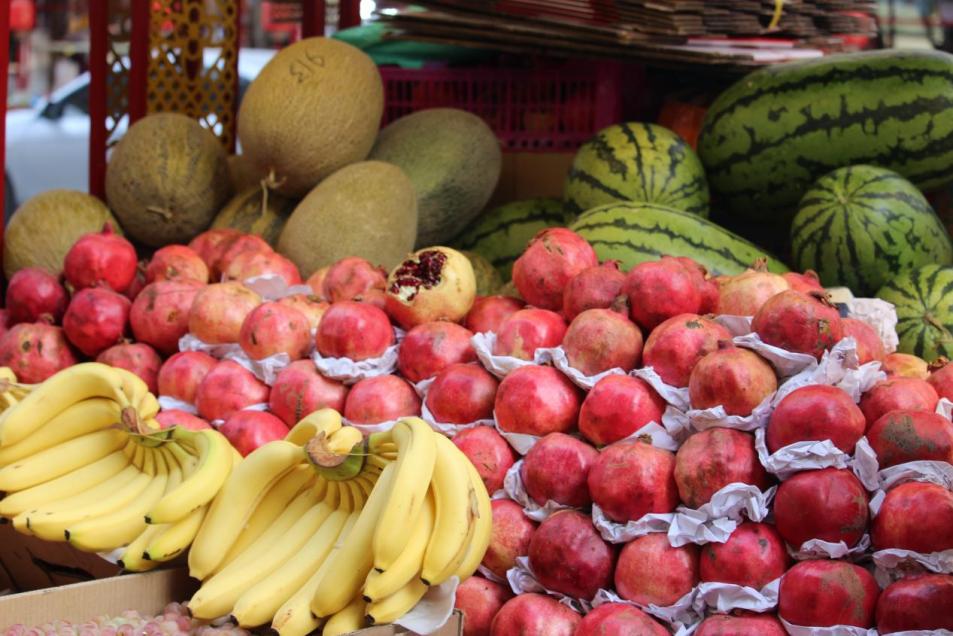
We also came across many grape and cotton farms in the regions of Changji and Turpan. The most popular Hami muskmelon comes from Xinjiang's Hamiprefecture. Xinjiang produces some of the best-quality fruits (such as pomegranates, a variety of grapes and melons, apples, etc.) on its land. It was my first time to see apple trees in Turpan, and I was overjoyed to pluck an apple directly from the tree and enjoy the sweetness in every bite.
Xinjiang, a region with a rich historical heritage, serves as a prominent centre for the cultivation and expression of many art forms, customs and traditions, dance performances, and musical compositions, which have flourished over the course of millennia. The intercultural connection between the languages, art and culture of Xinjiang and various other countries linked by the historical silk route could easily be observed in the daily life of the people in Xinjiang. Numerous stringed musical instruments bearing resemblance to traditional Indian counterparts such as the Sitar, Sarod, Sarangi and Dilruba could be seen on the streets or played by the locals.
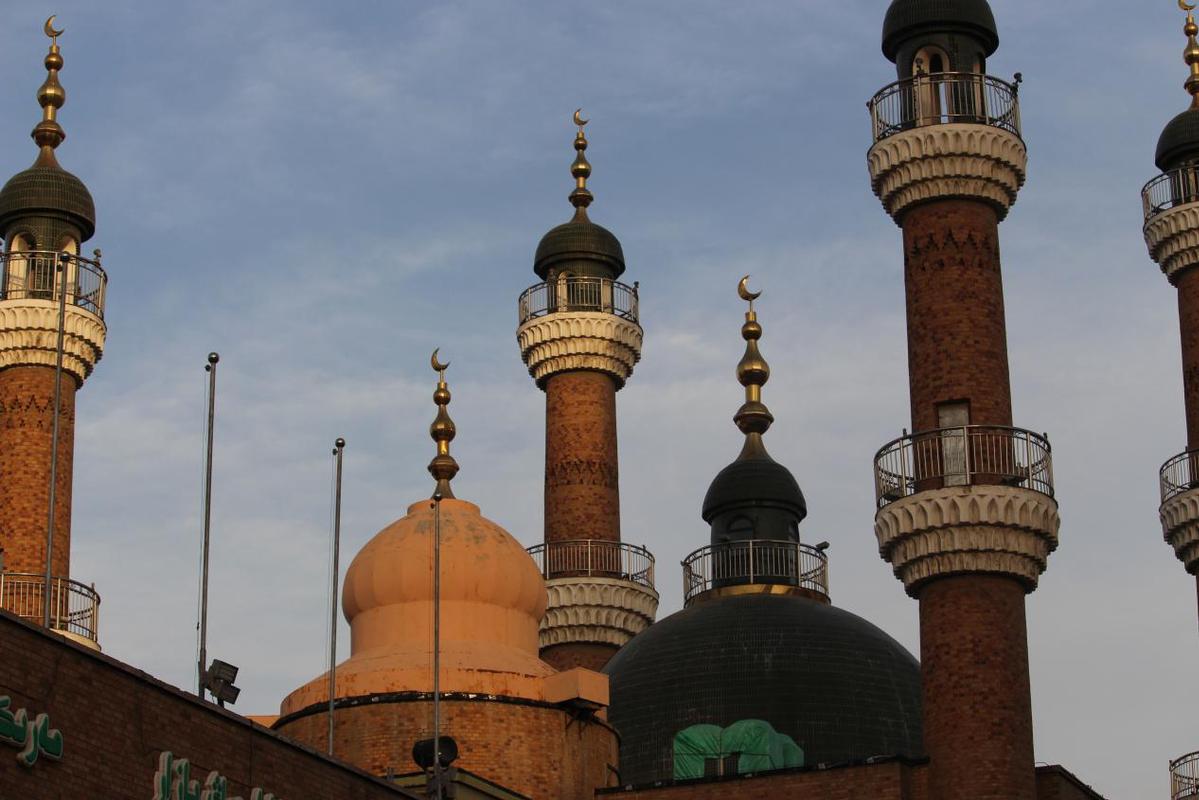
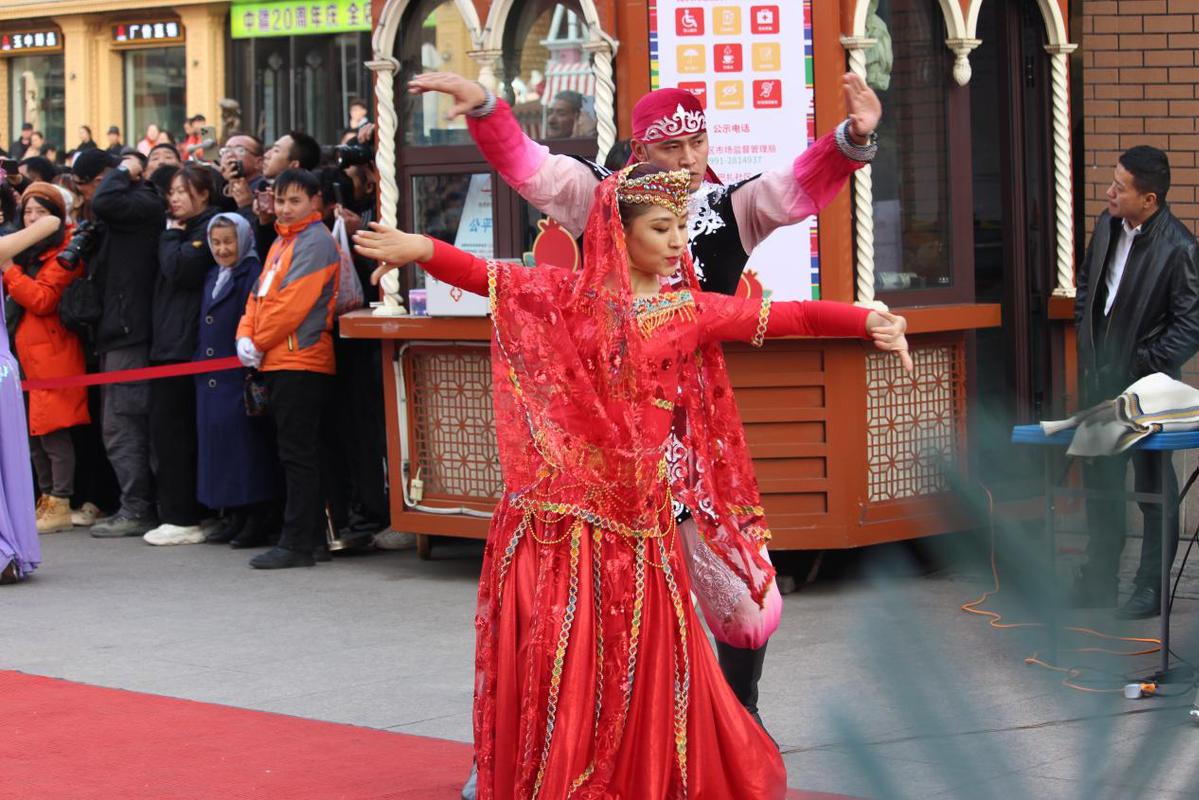
The people of Xinjiang also love to sing and dance, just like Indians, and they have their own dancing and singing style, which is distinguished between the Uygur, Kazak and Uzbek groups of the region and are fun to perform along with them. While exploring the International Bazaar, we came across a big crowd of locals having their leisure time and were happily dancing in pairs, spending their evening with music and entertainment.
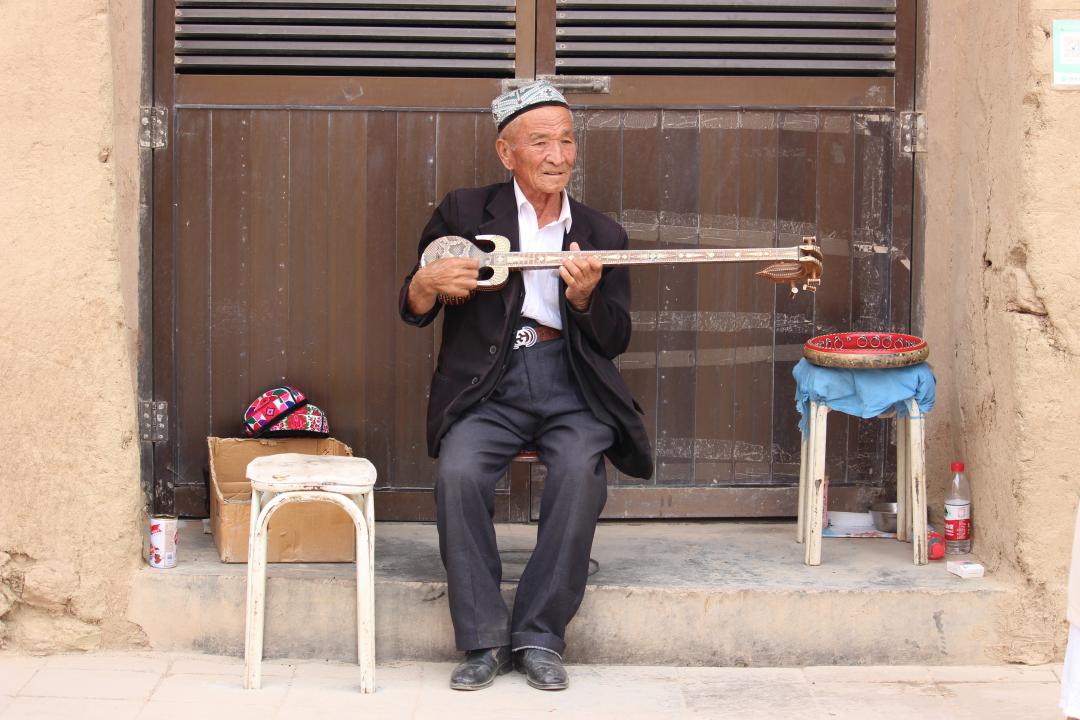
Xinjiang's embroidery artwork also exhibits comparable characteristics to those observed in Indian embroidery work. In addition, the preference for vibrant hues is evident in their artistic expression, with red being particularly prevalent. Furthermore, they use various animal-inspired motifs, such as goat horns and phoenixes, in their designs.
In the realm of Indian embroidery art, one may observe comparable characteristics that draw inspiration from the natural world, encompassing avian creatures, floral motifs and a diverse array of Mandala patterns. In relation to the regional Uygur language, there are specific lexical items that exhibit overlap with the Urdu language. Additionally, both of these linguistic systems have been subject to the impact of the Turkish language.
As an illustration, it is worth noting that the term denoting onion in both Uygur and Urdu languages coincides, being "Piyaz", while the designation for almond is "Badam", and the word for book is "Kitab", among other examples. The existence of cultural commonalities in Xinjiang has demonstrated its significant importance in facilitating cultural exchange and serving as a crucial pathway for the implementation of contemporary Belt and Road Initiative.
Xinjiang is experiencing significant and rapid development across multiple sectors, with substantial growth potential. The aesthetic appeal of the region, coupled with the modesty and benevolence of the inhabitants of Xinjiang, has profoundly impacted my emotional state. In contrast to other regions of China, Xinjiang exhibits a notable degree of cultural diversity and intercultural interconnection. This characteristic facilitated my enhanced understanding and connection with Xinjiang, since it shares numerous cultural similarities with India, owing to its historical ties on the ancient silk route.
The author is an Indian scholar. The views don't necessarily reflect those of China Daily.
If you have a specific expertise, or would like to share your thought about our stories, then send us your writings at opinion@chinadaily.com.cn or comment@chinadaily.com.cn.